




October
Monday
Eastern Thrace Museums
Select the settlement whose tourist information you want to see
Recently Added
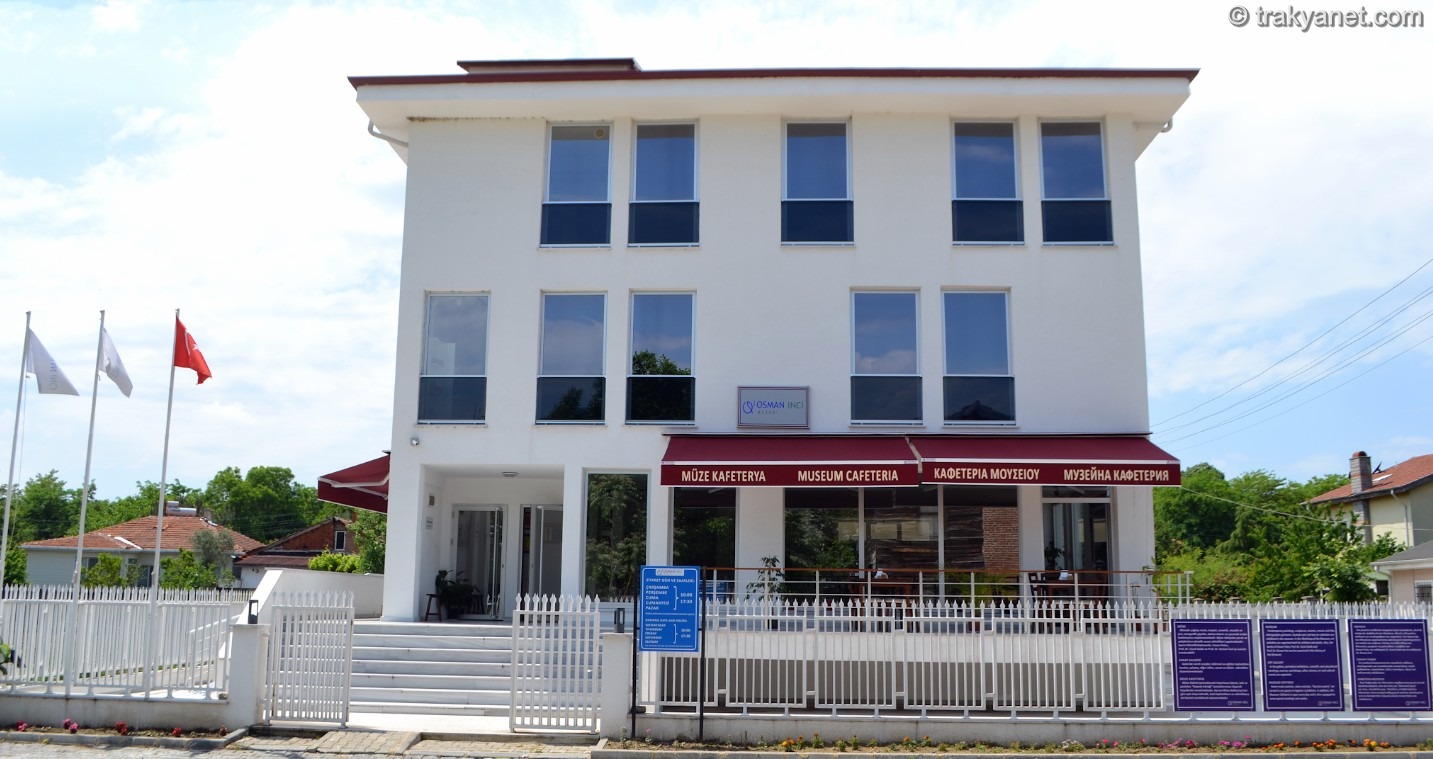
The Osman Inci Museum opened on November 25, 2017, in the Karaagac neighborhood of Edirne. Designed by interpreting the building facades and plan typology of the Karaağaç district, the museum was established by Osman Inci Science, Art, Culture, Museum Management and Tourism and Trade Inc.
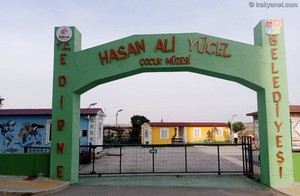
Hasan Ali Yucel Children's Museum
Opened by Edirne Municipality in 2018 on the 29th of October, Republic Day, the Hasan Ali Yucel Children's Museum is a social responsibility project based on scientific values, while also considering pedagogical and psychological principles, and offered to the service of children.
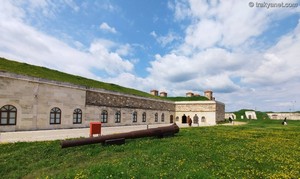
Edirne Balkan History Museum
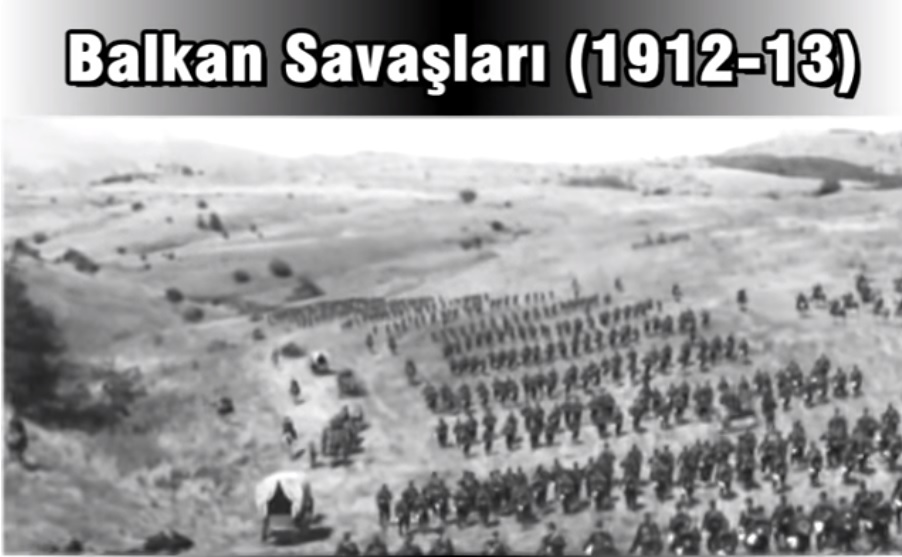
The Hidirlik Fortifications in Edirne contain the headquarters building where an epic resistance was shown against the Bulgarians under the command of Sukru Pasha, 18 artillery rooms, a 120-meter tunnel, and 4 passageways. The fact that enemy armies coming from the Balkans reached the capital Istanbul without encountering serious resistance prompted the Ottoman administration to establish a defense line in Edirne. Consequently, nearly 30 fortifications were built in the city, the largest of which was Hidirlik.
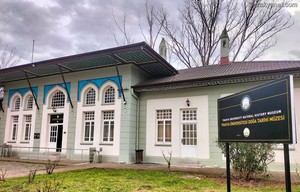
Edirne Natural History Museum
The Trakya University Natural History Museum was established in 2022 by a team led by Prof. Dr. Yilmaz Camlitepe, with the contributions and support of Rector Prof. Dr. Erhan Tabakoglu. The specimens exhibited in the museum are original and have been prepared by the faculty members of the Trakya University Biology Department in accordance with museum techniques. No hunting was involved in the procurement of the specimens.
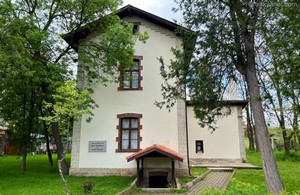
Museum of the National Struggle and Lausanne
The idea of establishing the Lausanne Museum within the Faculty of Fine Arts at Trakya University's Karaagac Campus first emerged in 1996 and took shape with the designations "Lausanne Monument," "Lausanne Square," and "Lausanne Museum." The erection of the Lausanne Monument within the campus was decided by the University Senate's resolution number 7 dated November 27, 1996, with the justification emphasizing that the Lausanne Peace Treaty stipulated the incorporation of the Karaagac region on the Greek side of the Meric River into the Republic's territory as war reparations. The Lausanne Monument and Square were completed in 110 days and inaugurated by President Suleyman Demirel on July 19, 1998.
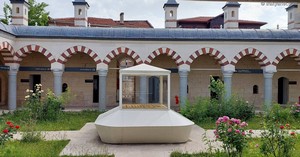
Edirne Fatih Sultan Mehmet Museum
Sultan Mehmed the Conqueror is one of the most exceptional figures in Turkish, Islamic, and world history. He is a founding genius who closed one era and opened another. Edirne is the city where Fatih was born, spent his childhood and youth, where his personality developed, where he ascended the throne twice, and where he embarked on an undertaking that can be considered a turning point in world history: the conquest of Istanbul. The Clock Tower Madrasa, which houses the museum, is part of the Uc Serefeli Mosque and Complex, a masterpiece of 15th-century Ottoman architecture. The museum building was commissioned by Sultan Murad II, who transformed Edirne into a center of learning with the madrasas he established.
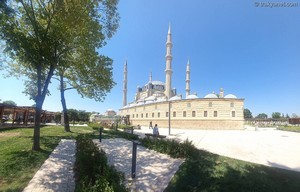
Selimiye Foundation Museum
Edirne, a border city that served as the capital of the Ottoman Empire for nearly a century, is one of our important cities that connects the past with the present through its historical and cultural heritage, most notably the world-renowned Selimiye Mosque Complex. Aiming to preserve the centuries-old foundation culture and civilization, the General Directorate of Foundations, through a project carried out by the Edirne Regional Directorate of Foundations, has brought the Selimiye Foundation Museum to Edirne.
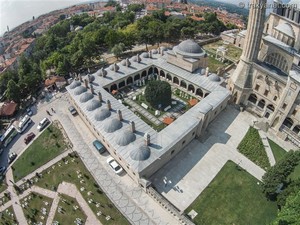
Edirne Museum of Turkish and Islamic Arts
The first museum in Edirne was established in 1925 by order of Mustafa Kemal Ataturk in the Dar-ul Hadis Madrasa, part of the Selimiye Complex, by Dr. Rifat Osman, Arif Dagdeviren, and Necmi Ige. Initially called the Archaeology Museum, it housed valuable ethnographic artifacts and tombstones. Later, due to its inability to meet the needs, a second museum was deemed necessary. This second section, dedicated to ethnography, was opened on November 25, 1936, the thirteenth anniversary of Edirne's founding, in the Dar-ul Kurra Madrasa, also part of the Selimiye Complex. The Ministry of National Education and the General Directorate of Foundations provided financial contributions to this museum, and it was supplemented with valuable artifacts from the Ankara Ethnography Museum and the Topkapi Palace Museum.
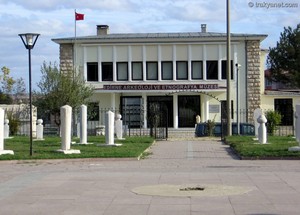
Edirne Archaeology and Ethnography Museum
The two museums established in Edirne in 1925 and 1936 were merged under a single directorate in 1954, with Muzaffer Batur appointed as director. Although some brief introductory texts were written after the consolidation of both museums under one directorate, a period of stagnation occurred until 1966. From that year onwards, with the increase in the number of artifacts, the construction of a new building was included in the program.
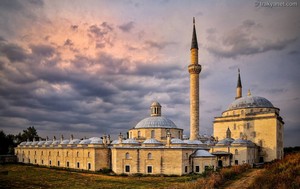
Health Museum of the Sultan Bayezid II Complex
The Health Museum is a medical history museum established in the Daraüşşifa (hospital) section of the complex built by Sultan Bayezid II, son of Sultan Mehmed the Conqueror, in 1488.
Popular Topics
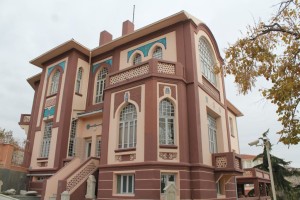
Tekirdag Archaeology and Ethnography Museum
Edirne Natural History Museum
Health Museum of the Sultan Bayezid II Complex
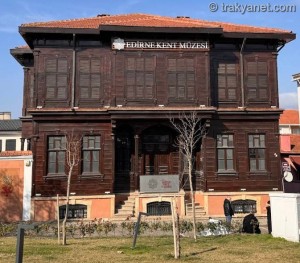
Edirne City Museum
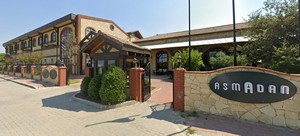
Museum of the History of Viticulture from the Asmadan
Edirne Archaeology and Ethnography Museum
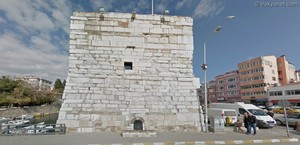
Gelibolu Fortress and Piri Reis Museum
Museum of the National Struggle and Lausanne
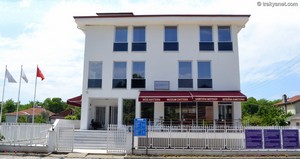
Osman Inci Museum
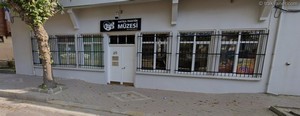
Antique Tractor Museum