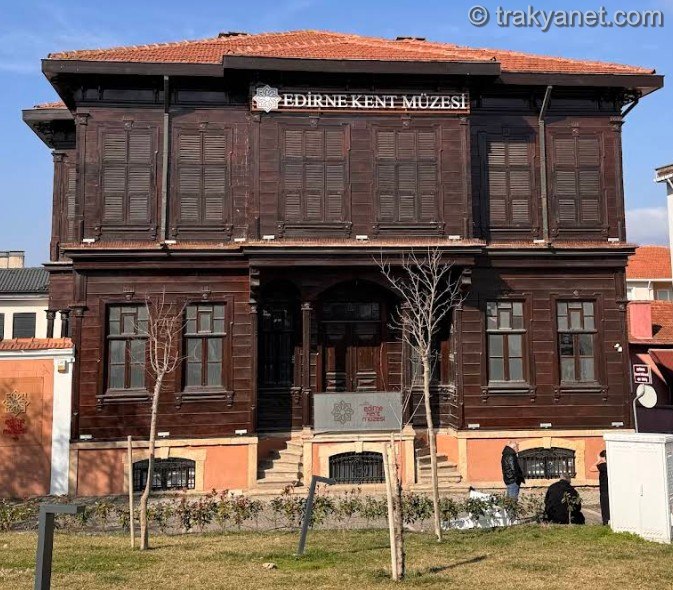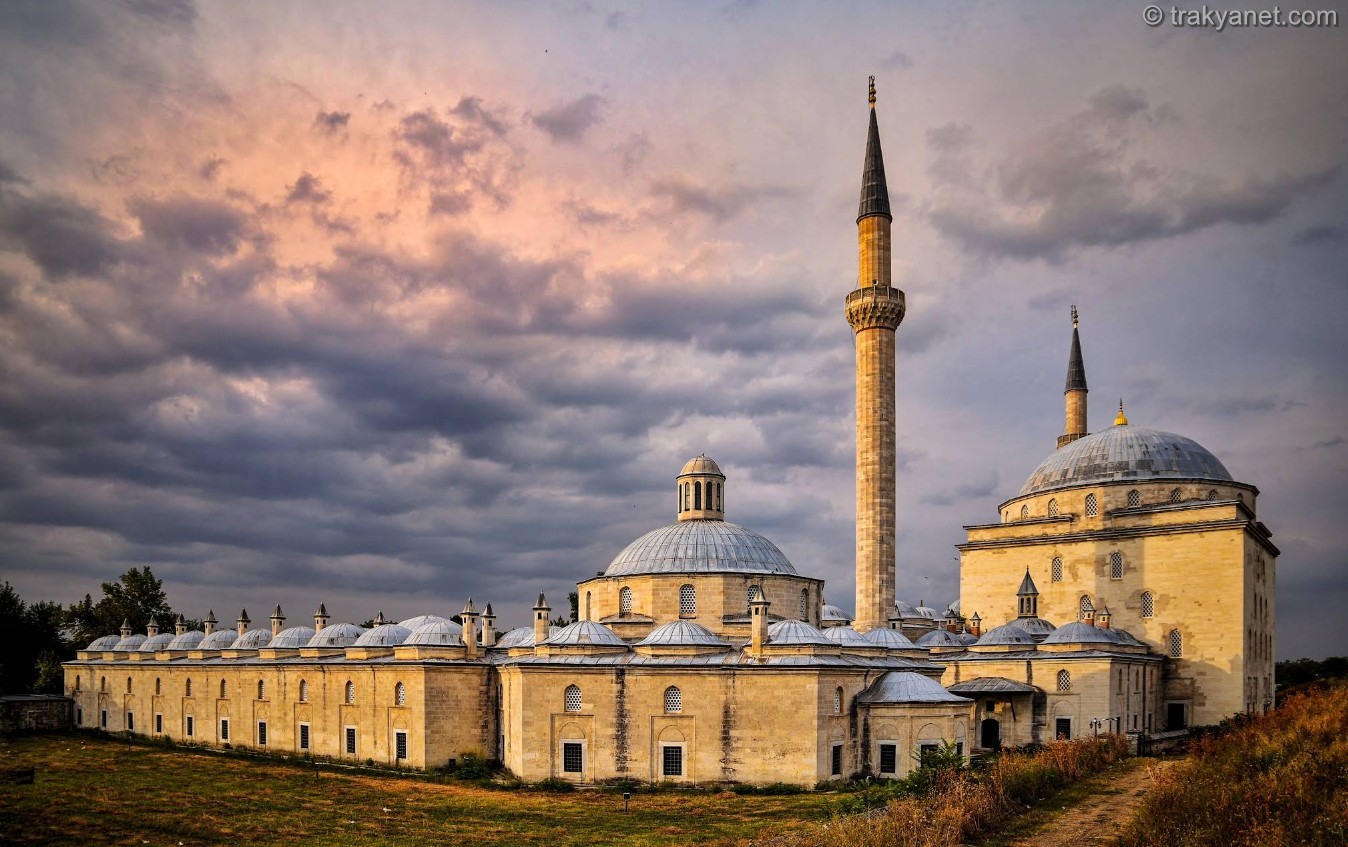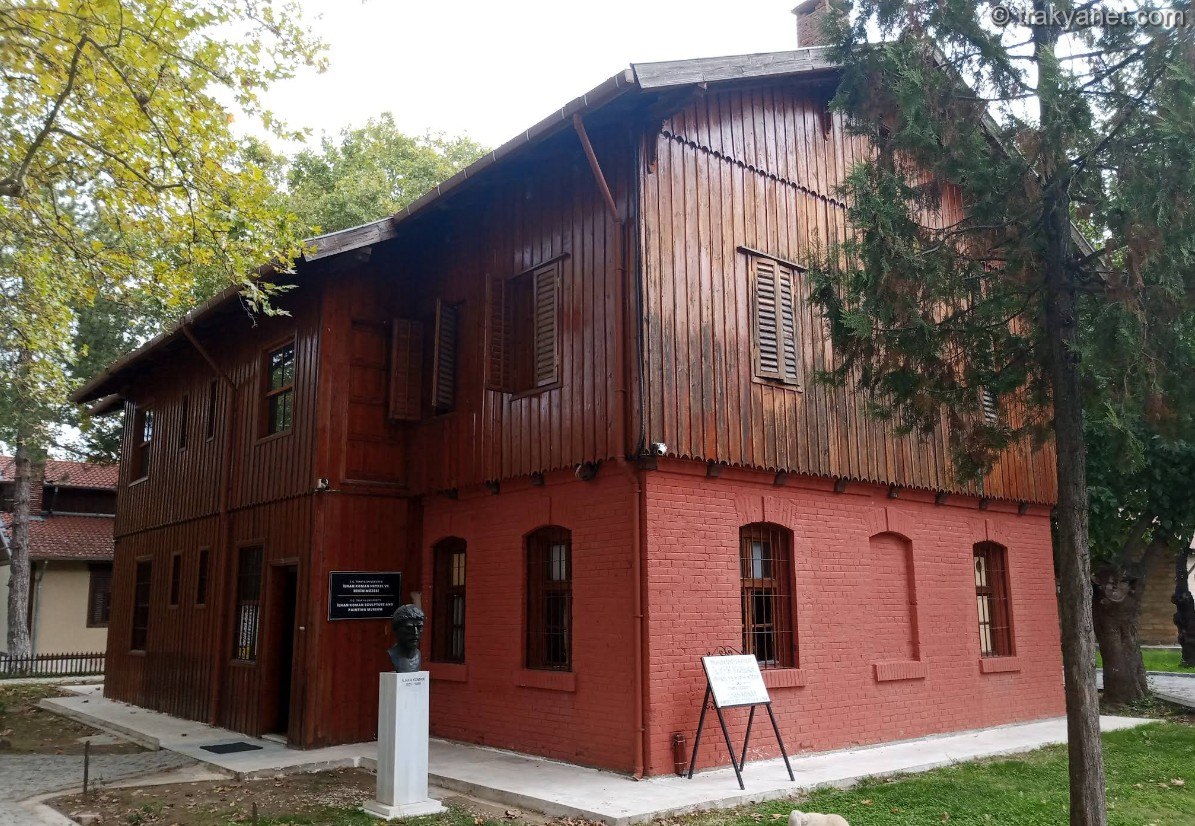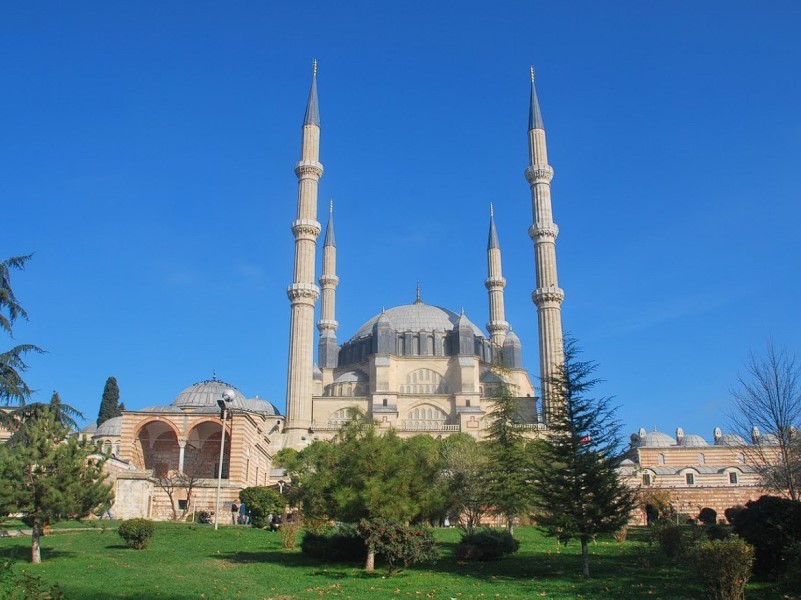

The first museum in Edirne was established in 1925 by order of Mustafa Kemal Ataturk in the Dar-ul Hadis Madrasa, part of the Selimiye Complex, by Dr. Rifat Osman, Arif Dagdeviren, and Necmi Ige. Initially called the Archaeology Museum, it housed valuable ethnographic artifacts and tombstones. Later, due to its inability to meet the needs, a second museum was deemed necessary. This second section, dedicated to ethnography, was opened on November 25, 1936, the thirteenth anniversary of Edirne's founding, in the Dar-ul Kurra Madrasa, also part of the Selimiye Complex. The Ministry of National Education and the General Directorate of Foundations provided financial contributions to this museum, and it was supplemented with valuable artifacts from the Ankara Ethnography Museum and the Topkapi Palace Museum.
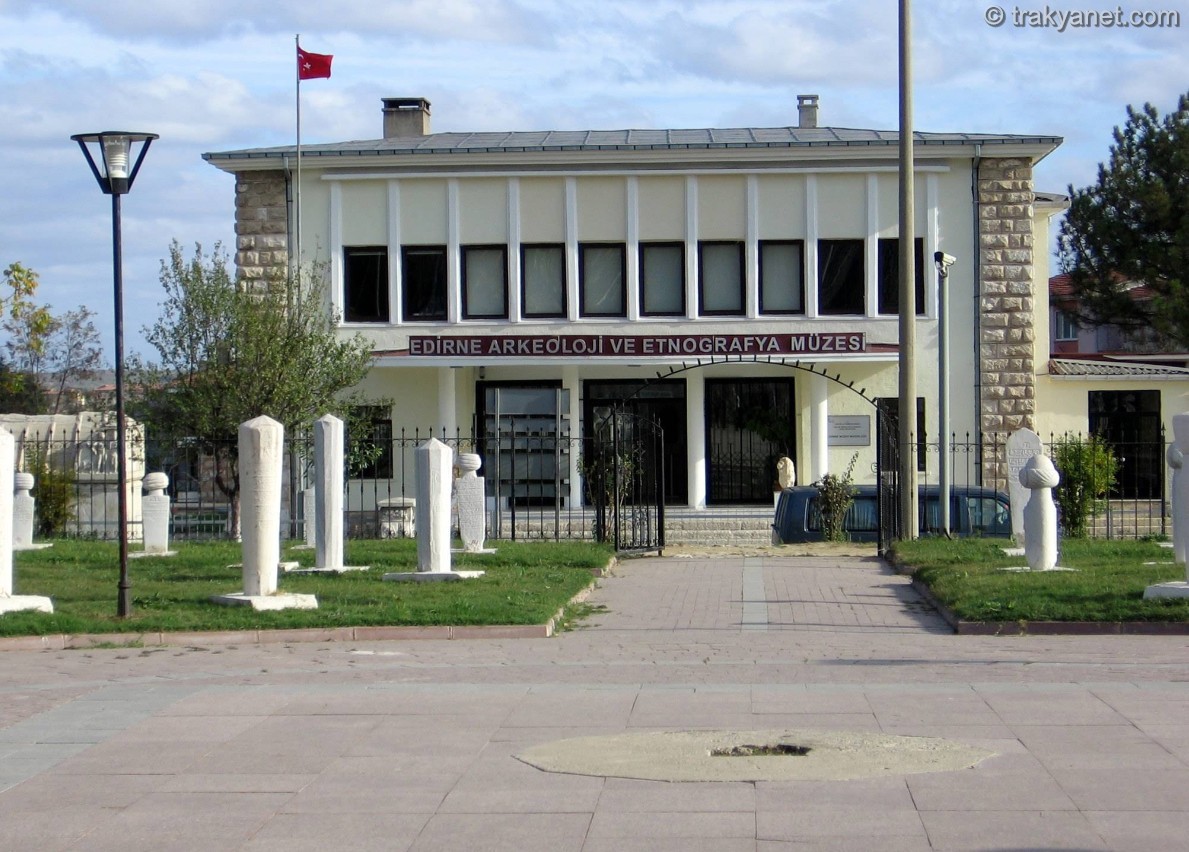
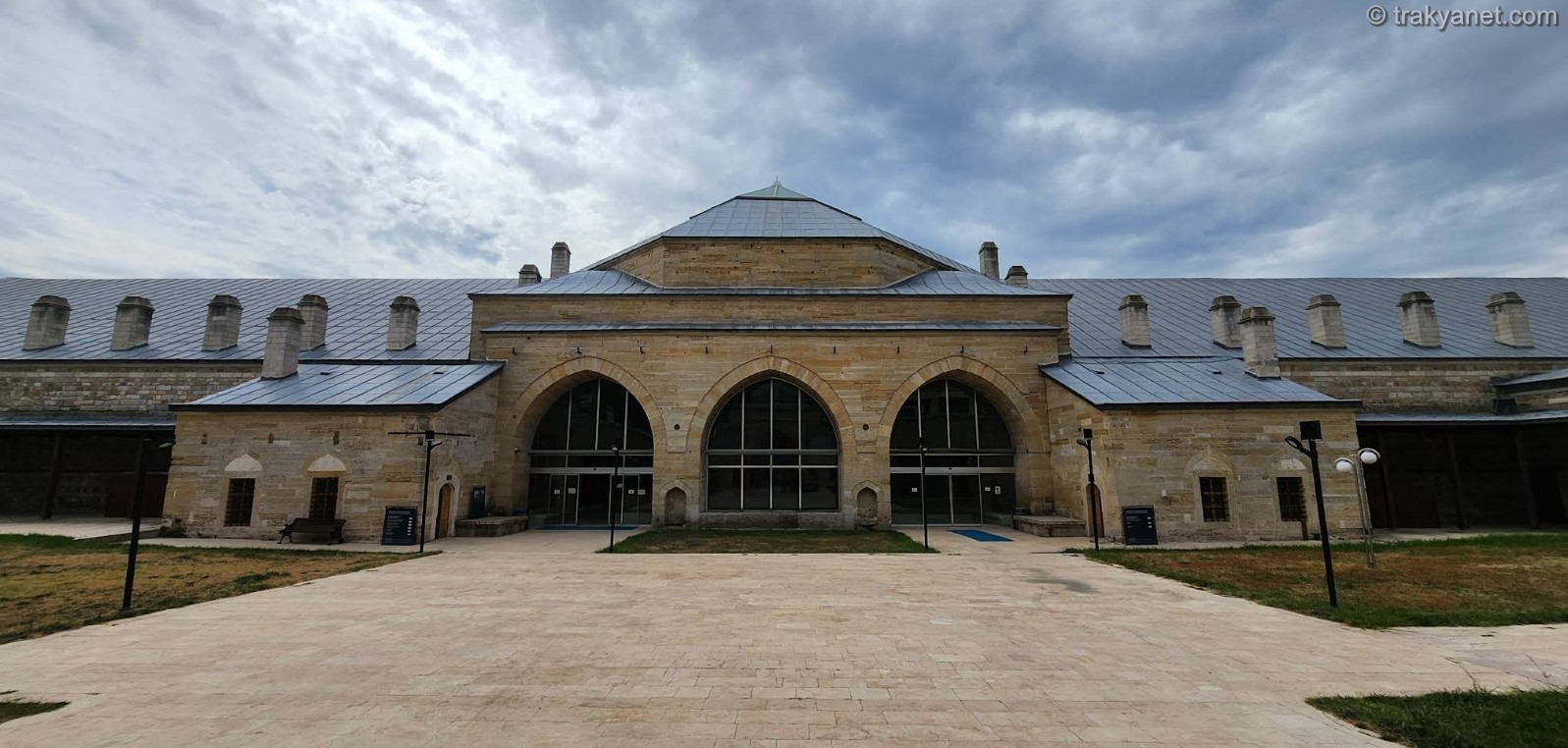
After World War II, many of the artifacts in the Edirne Museums were returned to other museums, and those remaining were only displayed in the Dar-ul Hadis Madrasa. However, the number of artifacts in the museum increased with purchases, donations, and excavations, creating a need for a new museum in Edirne. The new museum building, designed by architect Ihsan Kiygi, was opened to the public on June 13, 1971, under the name "Archaeology and Ethnography Museum." The museum in the Dar-ul Hadis Madrasa was renamed "Turkish Islamic Art Museum."
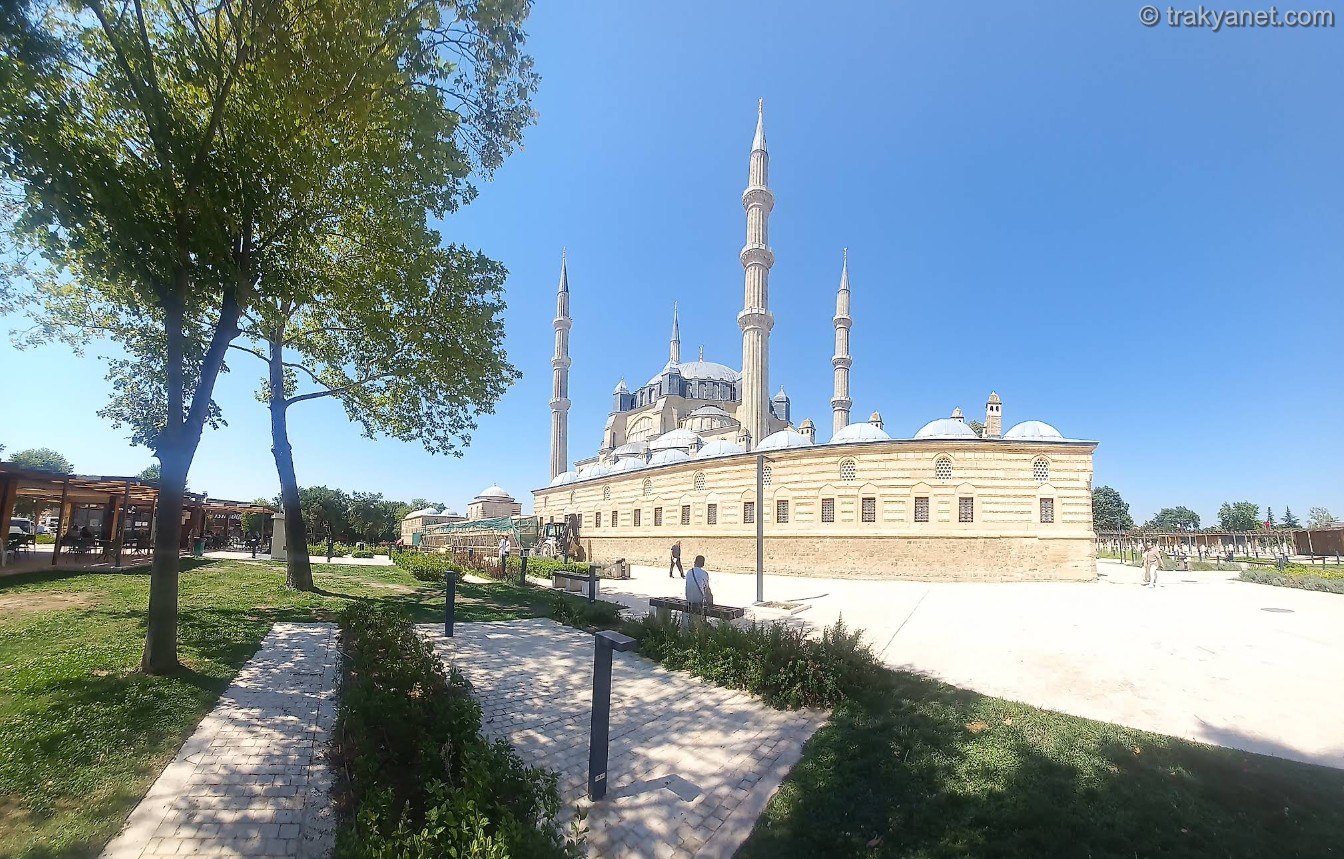
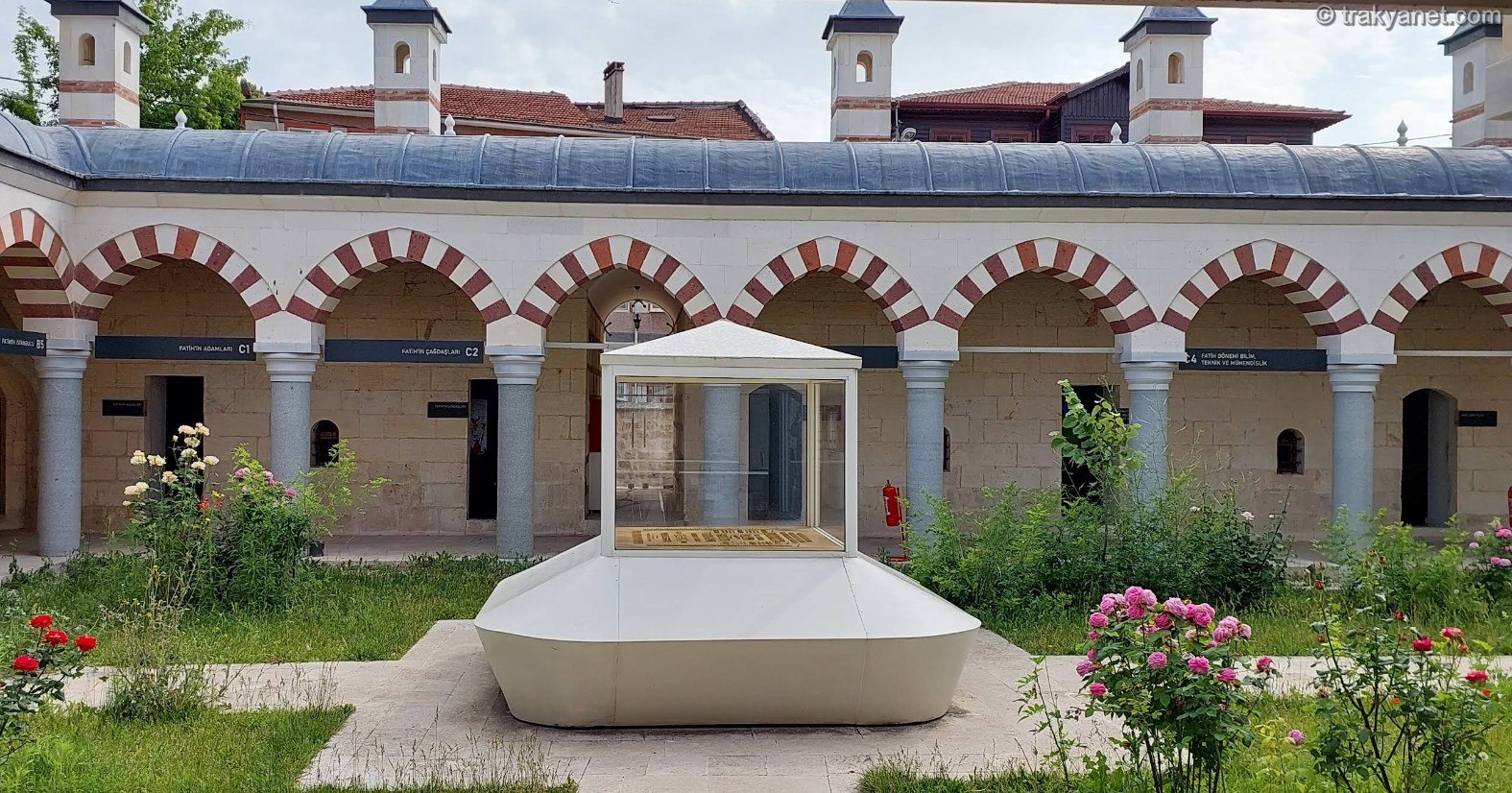
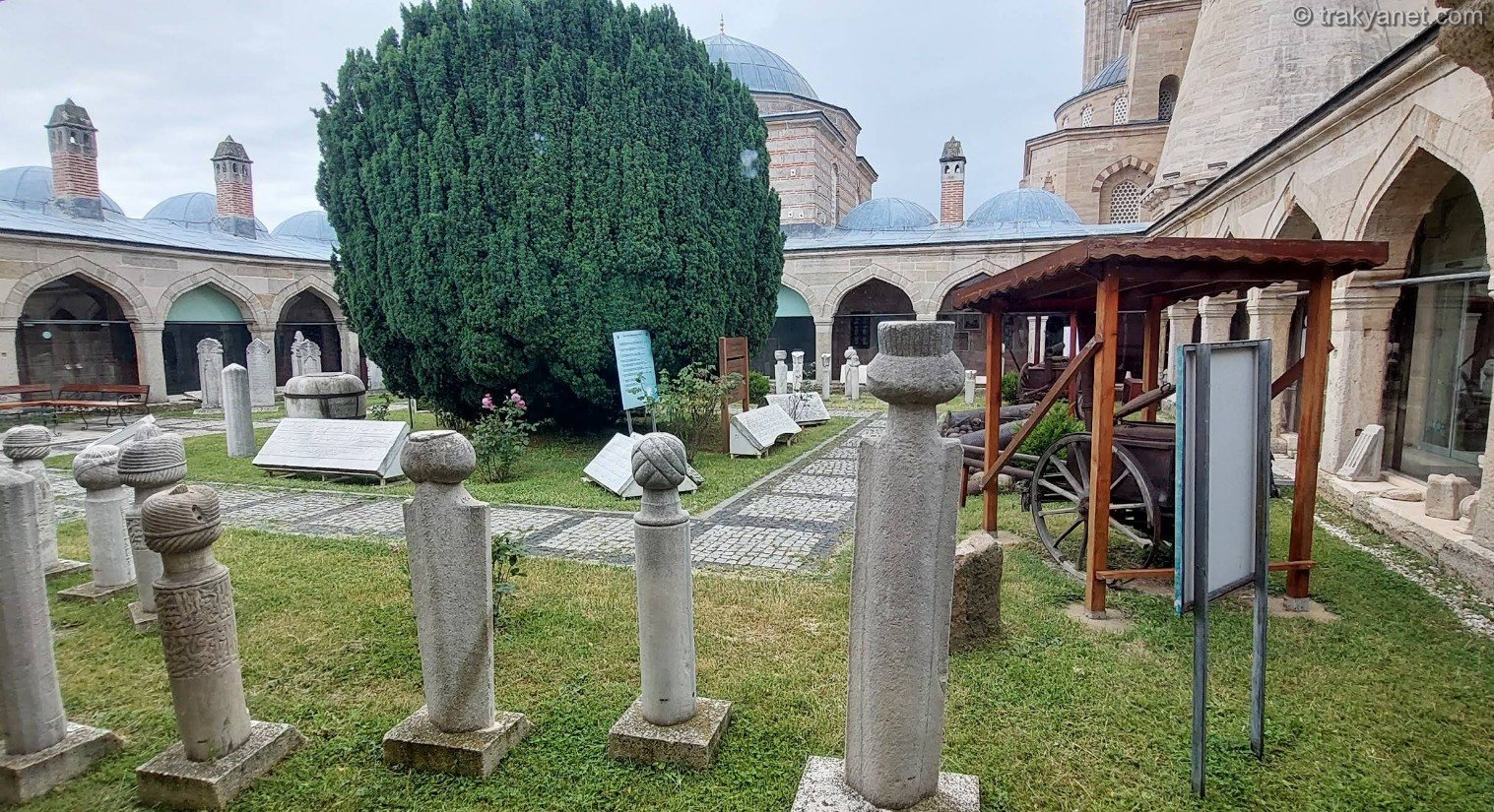
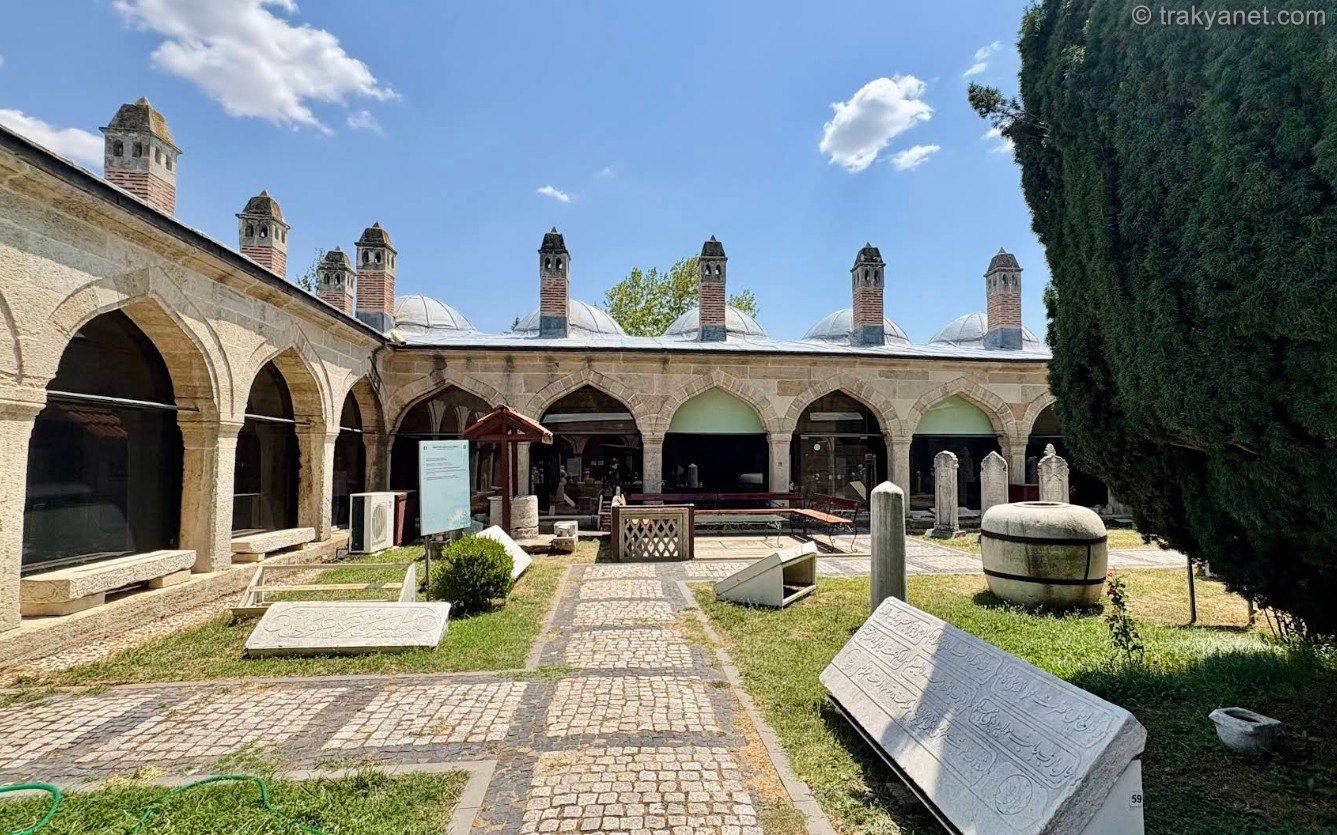
Located southeast of the Selimiye Mosque, the madrasa, which has been used as a museum since 1925, consists of a main lecture hall, student rooms, and a porticoed courtyard. In the courtyard, where a yew tree of monumental significance stands, 15th-century tombstones and a small number of surviving Janissary tombstones are displayed. Inscriptions from Ottoman-era structures, a section reflecting Ottoman water culture, and food carts, cannons, and cannonballs used in the Balkan Wars are also exhibited in the garden. Additionally, there is a resting area for visitors in the courtyard.
The museum visit begins with a room dedicated to Architect Sinan. This room, which features a statue of Architect Sinan, displays examples of wall paintings, penwork, and plaster decorations depicting the Kaaba, which were acquired during the restoration of the Selimiye Mosque Manuscript Library.
The Calligraphy Works Room showcases the rich array of works from the Ottoman civilization, which made significant contributions to the development of calligraphy. Among the exhibited pieces are examples of calligraphy from various styles and periods, applied to stone, wood, glass, leather, and paper. The oldest of these panels belongs to the renowned calligrapher, Sheikh Hamdullah. Writing sets consisting of various writing instruments are also on display.
The Cutting and Piercing Weapons Room displays swords, yatagans, daggers, maces, six-bladed axes, trusses, and Edirnekari bows from the 18th and 19th centuries. Weapons Room 2 features flintlock rifles adorned with precious stones from the 17th and 18th centuries, as well as coral-inlaid, gold and silver-plated flintlock pistols. The Gazâ Room contains a photograph of Sukru Pasha, the defender of Edirne during the Balkan Wars, and selected examples of the bloodstained banner, medals, and insignia used by the 174th Regiment, symbolizing the liberation of Edirne.
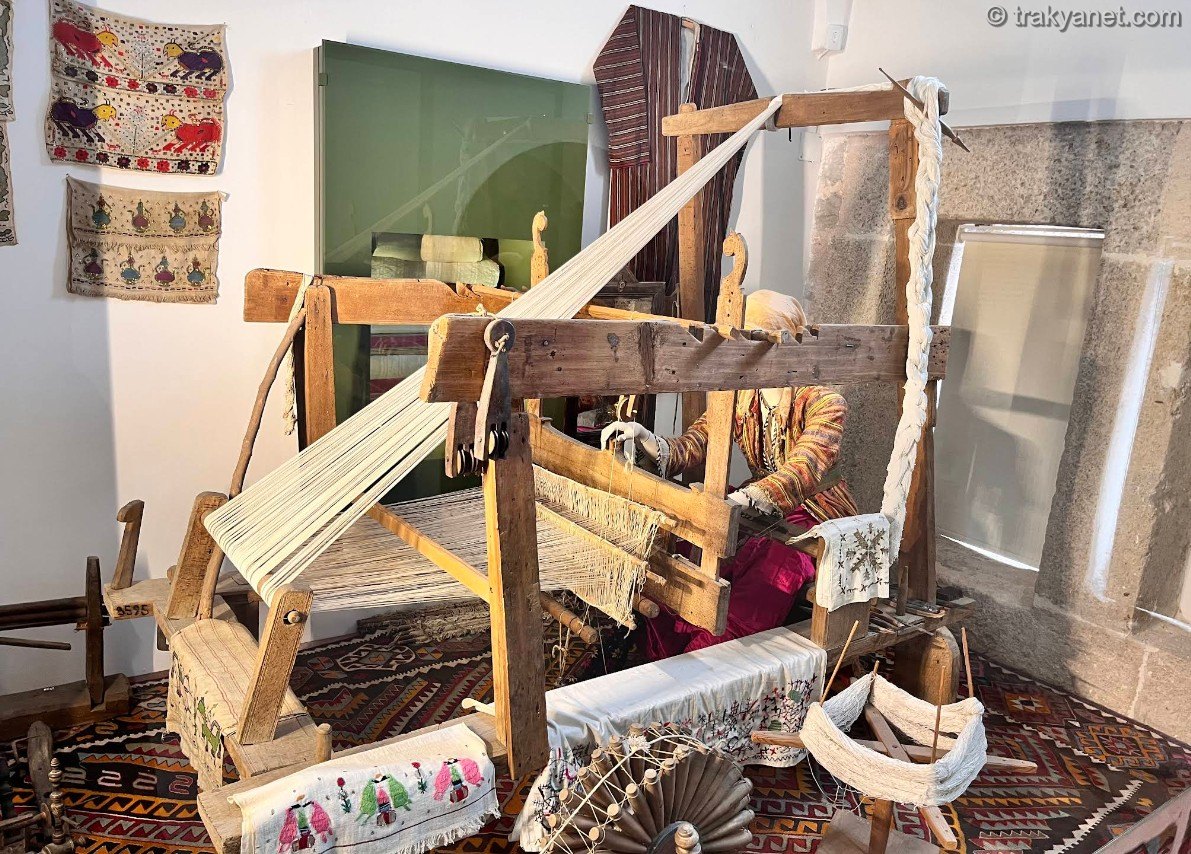
The Glass and Leather Objects Room features examples of pitchers, nightingale's eye ornaments, vases, rosewater sprinklers, lamps, candlesticks, lanterns, and oil lamps made of glass, crystal, and crystal. In addition, leather artifacts, including bags, satchels, and weapon cases used by the Surre Alayi (Custodian of the Surre Procession), are also on display. The Wooden Objects Room displays examples of wooden ornamentation related to architecture, everyday wooden objects and tools, candlestick bases and rub'u boards made using the interlocking technique. A coffee set made of cloves and Zamzam water containers adorned with cloves are noteworthy pieces. The Tile Room mainly consists of tiles from the Edirne Palace, the Sahmelek Pasa Mosque, and the Selimiye Mosque. Examples of Kutahya and Iznik tiles from the 15th, 16th, and 17th centuries are included. In addition, ceramic plates obtained from palace excavations are also on display. In the Saray-i Cedit Room, 17th-century wall tiles, ceramic plates, and engravings related to the Edirne New Palace, unearthed during excavations, are displayed. The Clothing Room showcases women's clothing and jewelry typical of the Balkans. The Circumcision Room recreates the circumcision ceremony, an important event in Turkish tradition. A satin-embroidered bedding set made from bundles of bindalli (traditional embroidered cloths), clothing and jewelry on mannequins, and carpets are on display. The Weaver's Room contains tools used to transform cotton, wool, or silk into fabric, and also features the oldest weaving loom in Thrace, donated to the museum by the Yaveroglu family of Edirne.
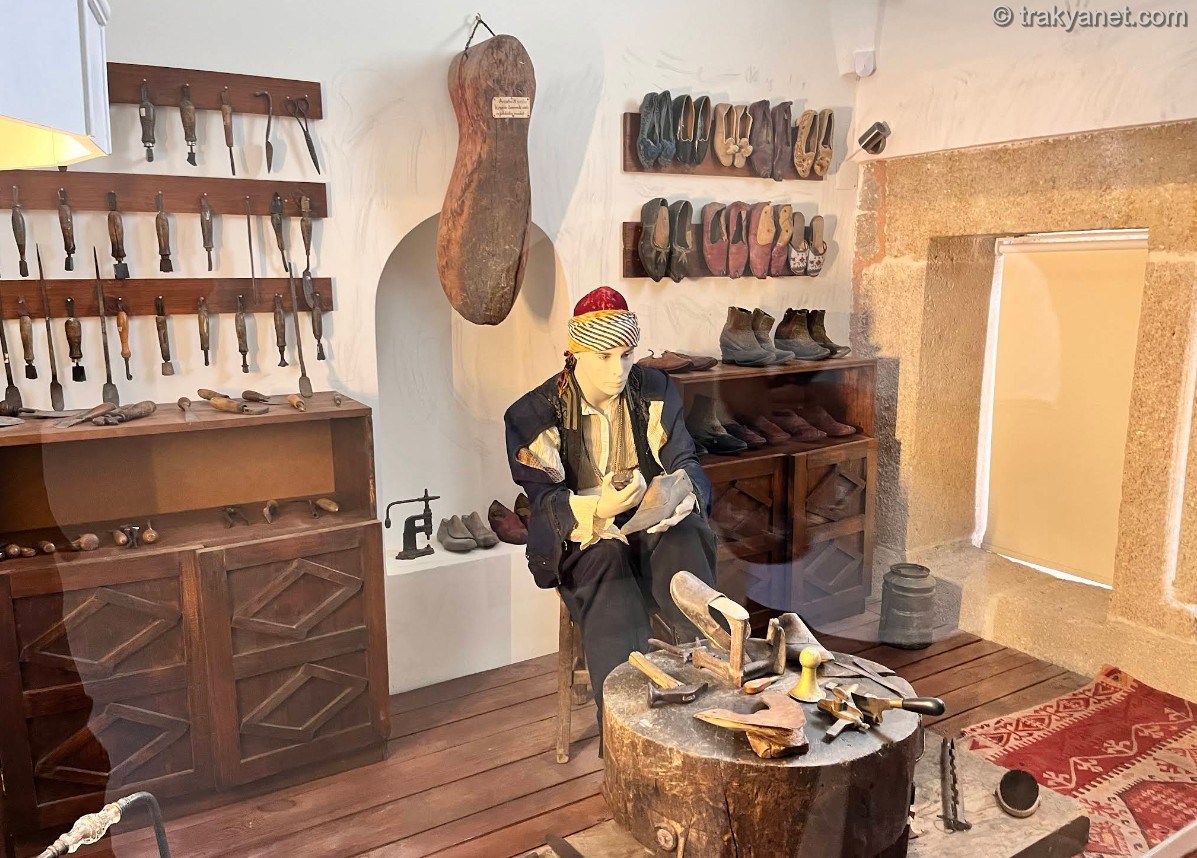
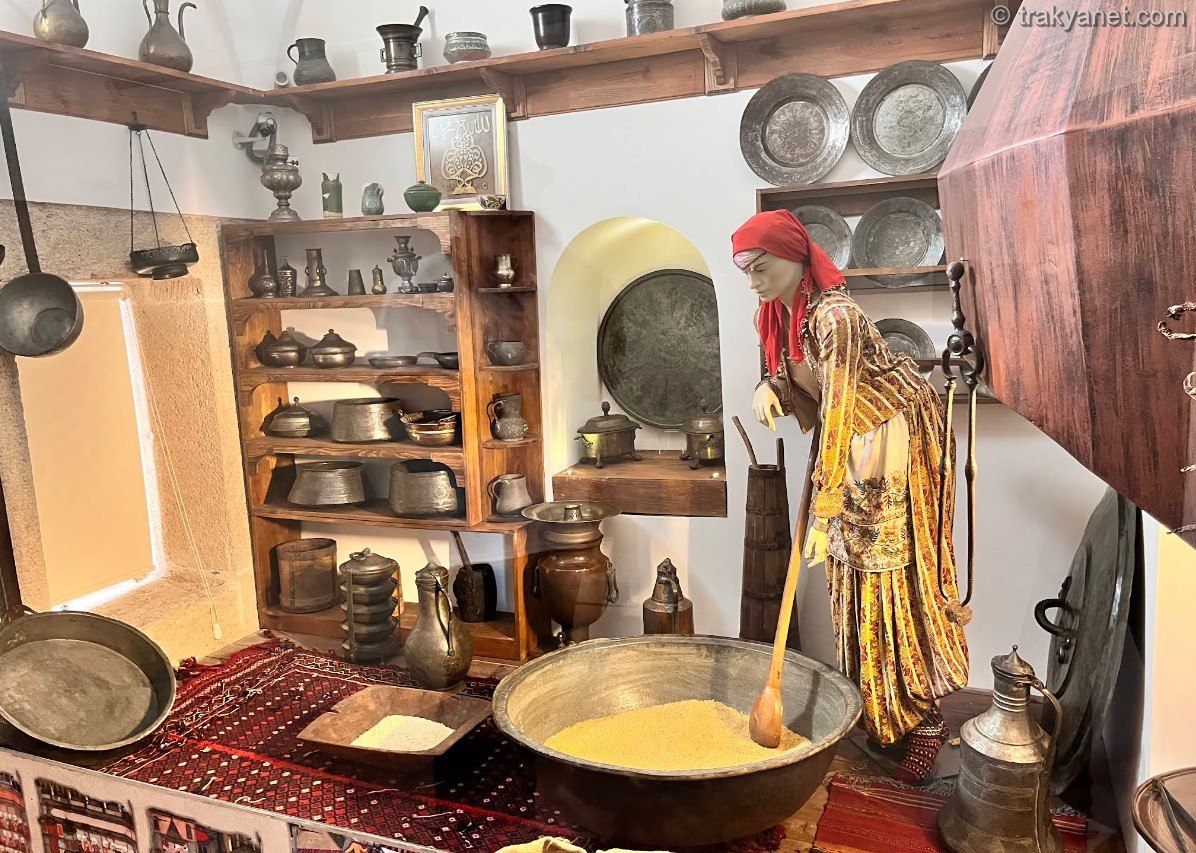
The Saddler and Shoemaker Room contains shoemaker and saddlery workbenches, tools, and samples. A saddler's shop from Saddlers Street, of which only the name remains today, has been recreated. The large shoe last that once hung in the prayer dome of the Shoemakers' Bazaar is also on display here. The Kitchen Utensils Room displays kitchenware from the Imperial Kitchen, including braziers, pots, samovars, lanterns, and coffee sets. The Kirkpinar Room features an interesting arrangement with photographs of famous wrestlers who won the title of chief wrestler at Kirkpinar, a mannequin of the Kirkpinar Aga, and a hologram of two wrestlers performing the pre-match dance. The galleries feature inscriptions from various buildings, wooden ceiling rosettes from late 19th-century Edirne houses, while examples of lanterns, intricately carved door panels from the Beyazit Complex, ceremonial shields from the 18th century, swords, spears, and cast candlesticks are displayed in the arcades.
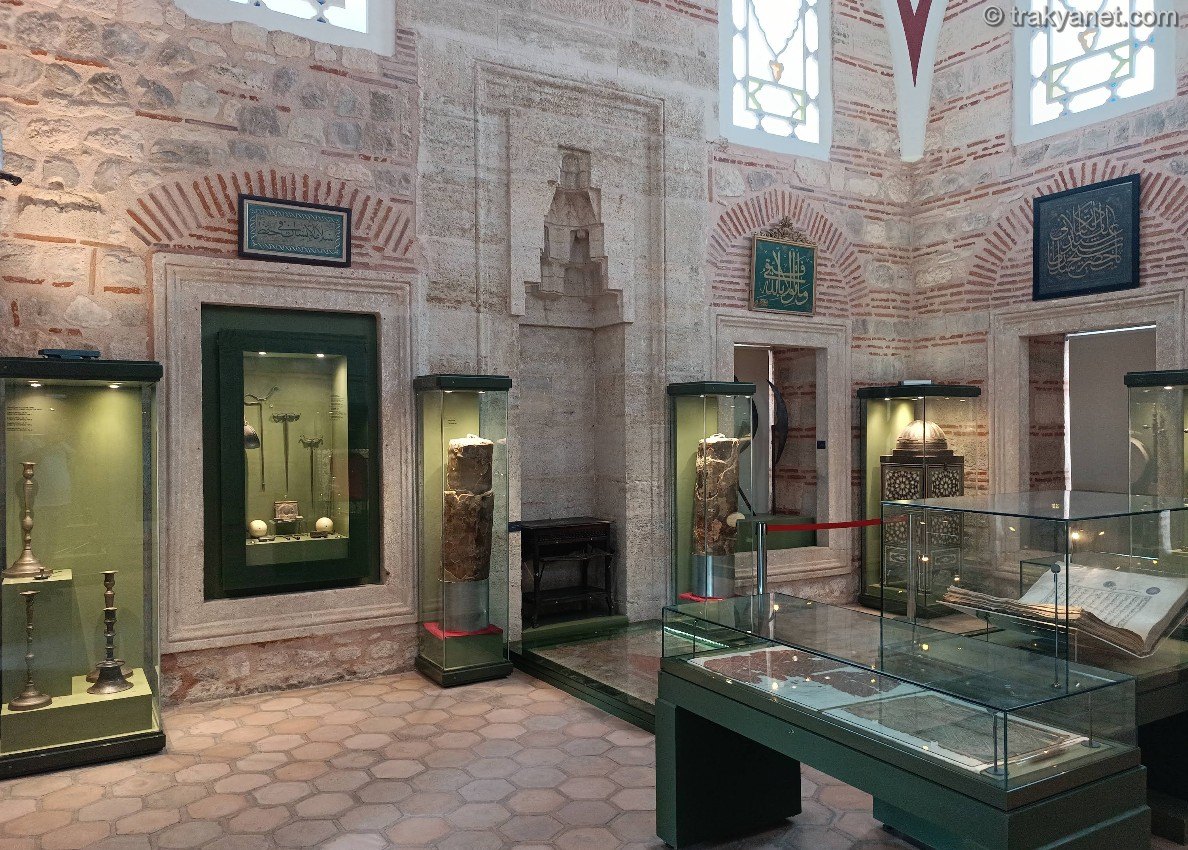
The Room of Tekke Artifacts displays various items given to community centers after the closure of tekkes and zawiyas (Sufi lodges). Handwritten plaques from various tekkes are adorning the walls. Glass and niche display cases contain photographs of the Edirne Muradiye Mevlevi Lodge, the prayer rug of its last sheikh, Ahmet Selahattin Efendi, a market vendor's tongs, a Mevlevi cap, kudum drums, calpare drums, ney flutes, rebab (a stringed instrument), keskul (a type of bowl), healing bowls, tebers (axes), chained maces, and handwritten Qur'ans and prayer books from the 15th and 19th centuries. In front of the mihrab (prayer niche) is a prayer rug from the Old Mosque of Edirne, and on either side of the mihrab are candles made in the candle workshop of the Sultan Bayezid II Complex.
It operates under the Ministry of Culture and Tourism and welcomes visitors.