
The idea of establishing the Lausanne Museum within the Faculty of Fine Arts at Trakya University's Karaagac Campus first emerged in 1996 and took shape with the designations "Lausanne Monument," "Lausanne Square," and "Lausanne Museum." The erection of the Lausanne Monument within the campus was decided by the University Senate's resolution number 7 dated November 27, 1996, with the justification emphasizing that the Lausanne Peace Treaty stipulated the incorporation of the Karaagac region on the Greek side of the Meric River into the Republic's territory as war reparations. The Lausanne Monument and Square were completed in 110 days and inaugurated by President Suleyman Demirel on July 19, 1998.
The work related to the establishment of the museum was carried out by the Library and Documentation Department. One room of the "Lausanne Museum," which displays books, documents, and materials related to the Treaty of Lausanne, was furnished with books, documents, and some materials donated by the "İnönü Foundation," and another room with those donated by the "Foundation for Establishing and Developing Historical Research and Documentation Centers." The museum officially gained its identity with the Ministry of Culture's letter dated August 28, 2000, and numbered 9658.
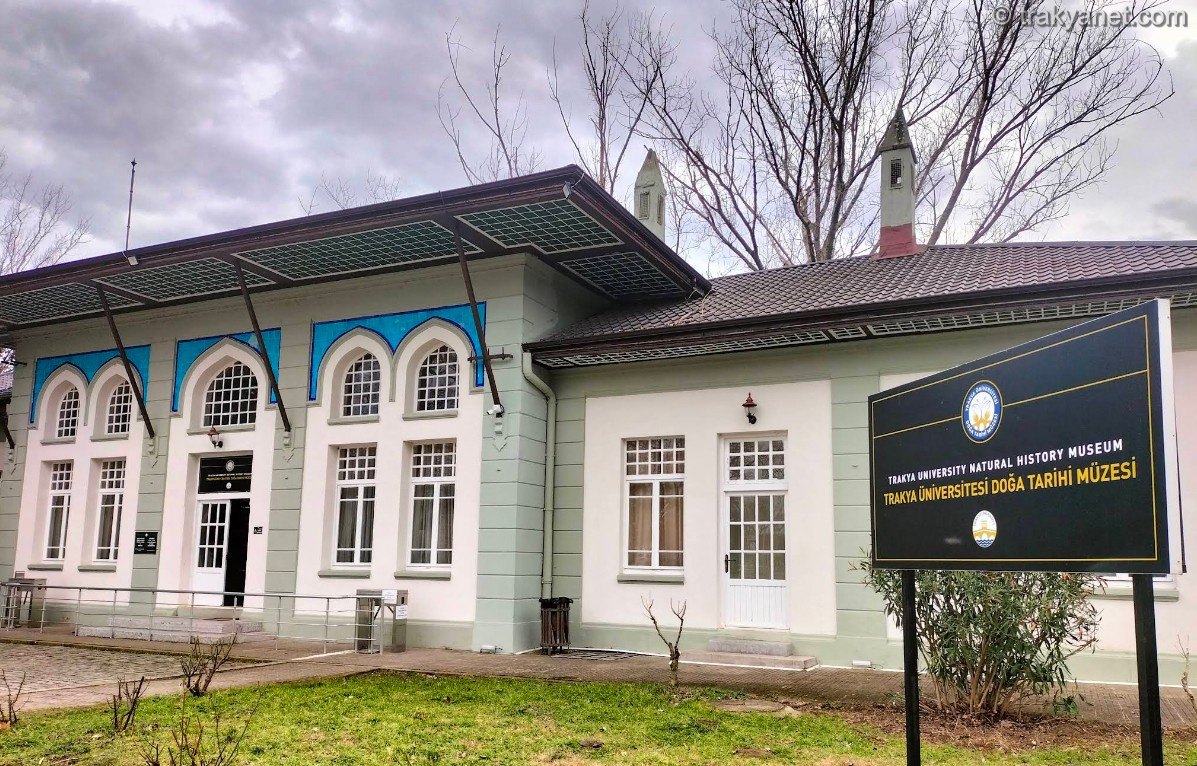
After its establishment, especially following the relocation of the Rectorate units from Karaağaç to the Balkan campus, the museum moved several times due to the need for space within the Karaağaç campus. The first relocation was to the ground floor of the building designed by Architect Kemalettin, which once served as the Edirne train station and is currently used as the Dean's Office of the Faculty of Fine Arts. During the relocation, there were no changes to the museum's content; only the location was changed.
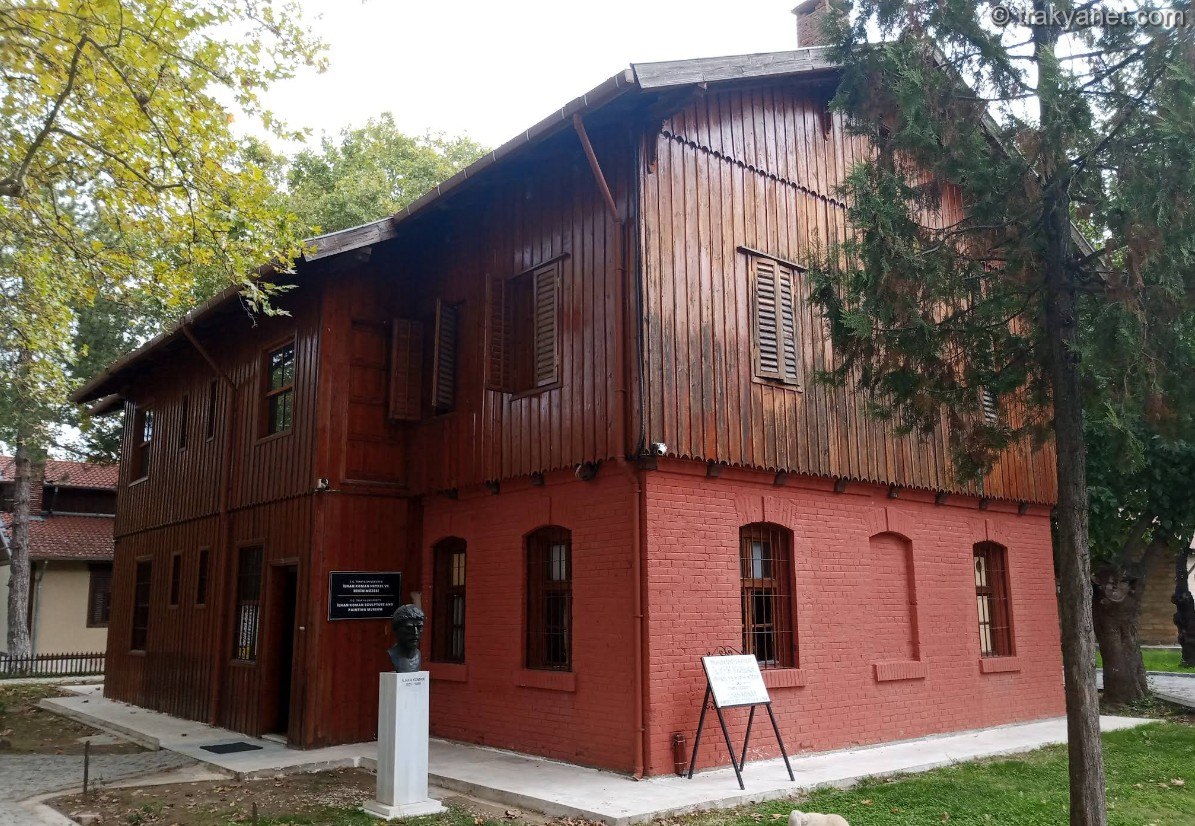
The museum was relocated once again at the end of 2014 due to the increased capacity of the Faculty of Fine Arts, and the items within the museum were moved to the building allocated for the current National Struggle and Lausanne Museum. As a result of the work carried out by the Trakya University Museums Executive Board under the coordination of the Rectorate, the name of the existing museum was changed to "National Struggle and Lausanne Museum" according to the Senate Decision dated January 29, 2015. In line with the updated scenario following the name change, the museum was enriched in terms of information, documents, and materials, and its opening took place on Tuesday, April 19, 2016, with a renewed exhibition and arrangement. In conclusion; The idea of establishing a National Struggle Museum, which emerged in late 2014, transformed into the "National Struggle and Lausanne Museum" in early 2015 and, after long efforts, culminated in its opening in 2016.
Ground Floor: National Struggle
Corridor: Chronology of the National Struggle, Mondros Armistice, Treaty of Sèvres, and Lausanne maps displayed together.
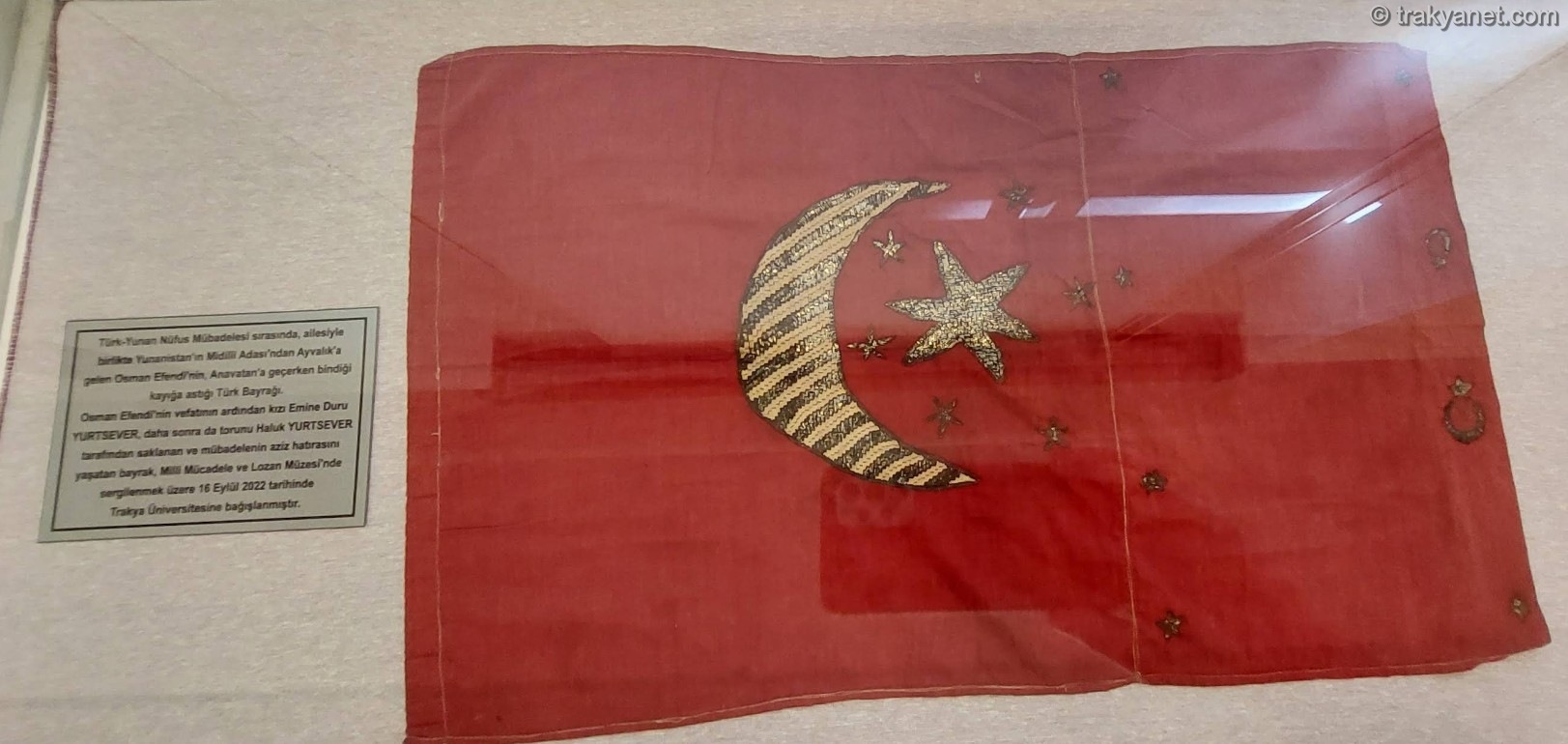
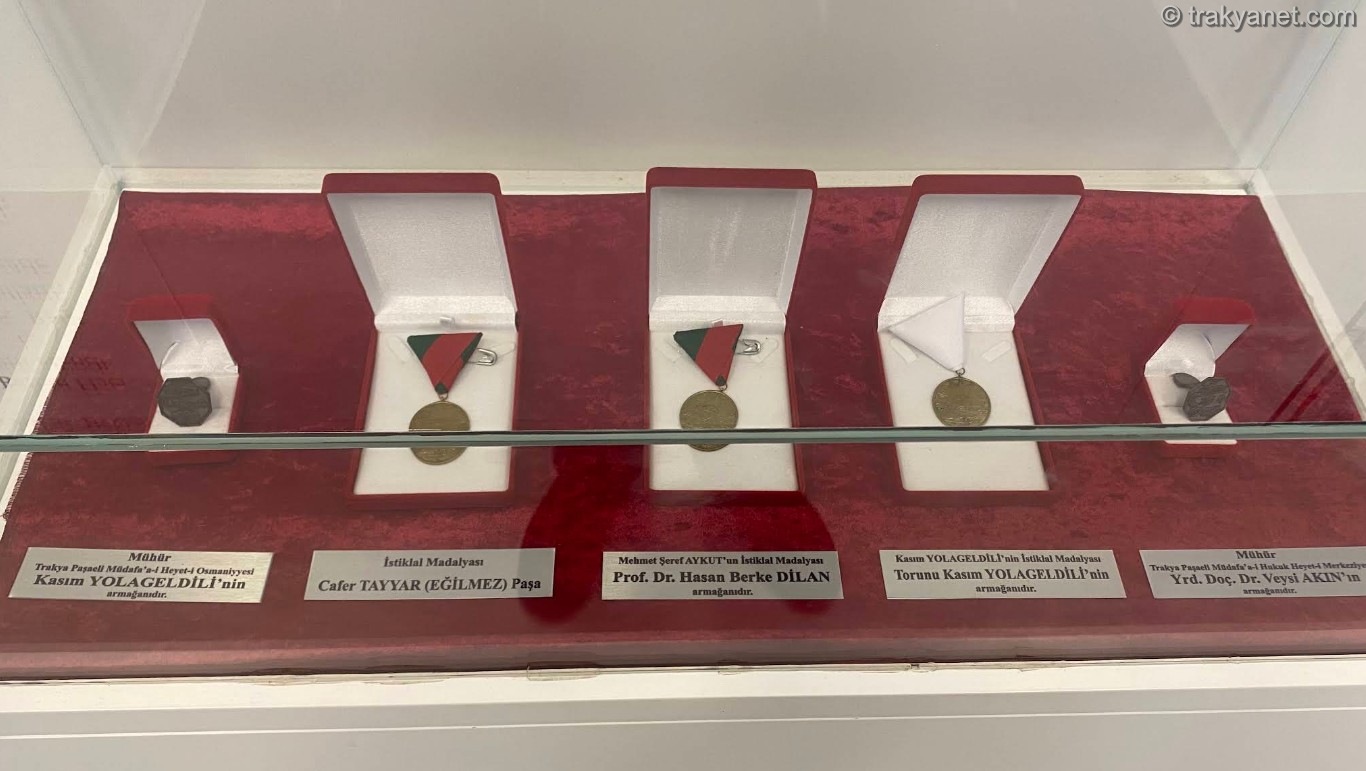
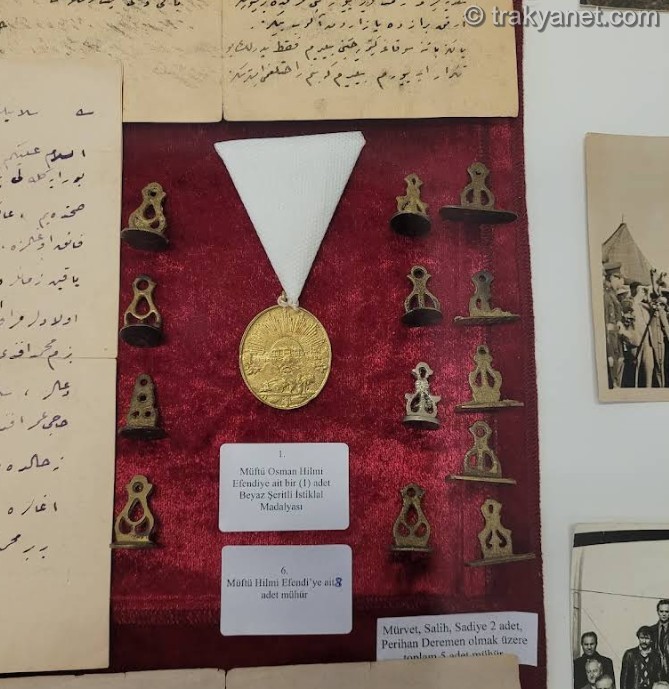
Room A: Biographies; consists of the life stories and pictures of some of the individuals who participated in the National Struggle in Thrace, who were among the founders and served in the Thrace Paşaeli Defense of Ottoman Rights Society. These individuals are: M. Şevket Dağdevirenzade, Kasım Yolageldili, M. Şeref Aykut, Faik Kaltakkıran, Cafer Tayyar Eğilmez, Şevket Ödül. Map of the Thracian railways and information, documents, and materials regarding the occupation of stations first by French and then by Greek soldiers, the establishment of the Thracian Pashaeli Society, and its organization in the region.
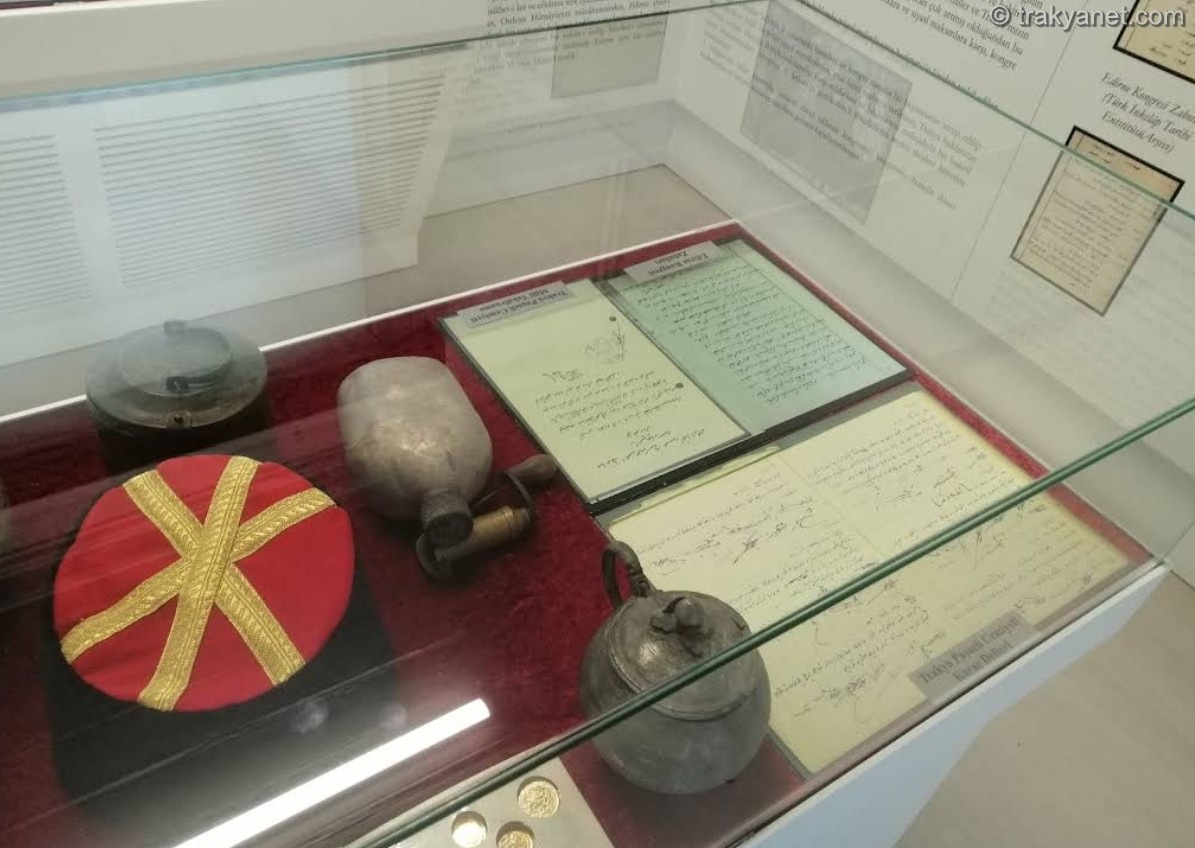
Room B: Information and documents about the Edirne rallies during the National Struggle period, the establishment of the Thracian Pashaeli Society and the affiliation of Thrace to the Anatolian and Rumelian Defense of Rights Society, the seizure of the provincial administration by the Society, the Thracian Congresses (Lüleburgaz and Edirne Congresses), and Edirne newspapers during the National Struggle period.
Room C: Correspondence regarding some measures taken against the occupation of Thrace, the occupation of Thrace by Greek soldiers and the captivity of Cafer Tayyar Pasha, Greek atrocities during the occupation period and protests, memoirs of the occupation period, letters, documents, and pictures concerning those who were exiled.
Room D: The road to the liberation of Thrace; the Anatolian Victory, those who served the National Struggle, the Thracian Militia forces, Mustafa Kemal Pasha's belief in and contribution to winning the Thracian cause, the Mudanya Armistice and the preparations for the evacuation of Thrace are explained with documents and pictures.
First Floor: The Liberation of Thrace and Lausanne
Corridor: Lausanne Chronology, map of Edirne Province and 1914 population data.
Room F: The liberation of Thrace; Information about the Thracian Commander Refet Bele and the Governor of Edirne Şakir Kesebir, the Thracian gendarmerie organization, civil officials, and the handover of Thrace to the Turks, and specifically the events of November 24-25, 1922, the day of the liberation of Edirne, along with information, documents, and pictures.
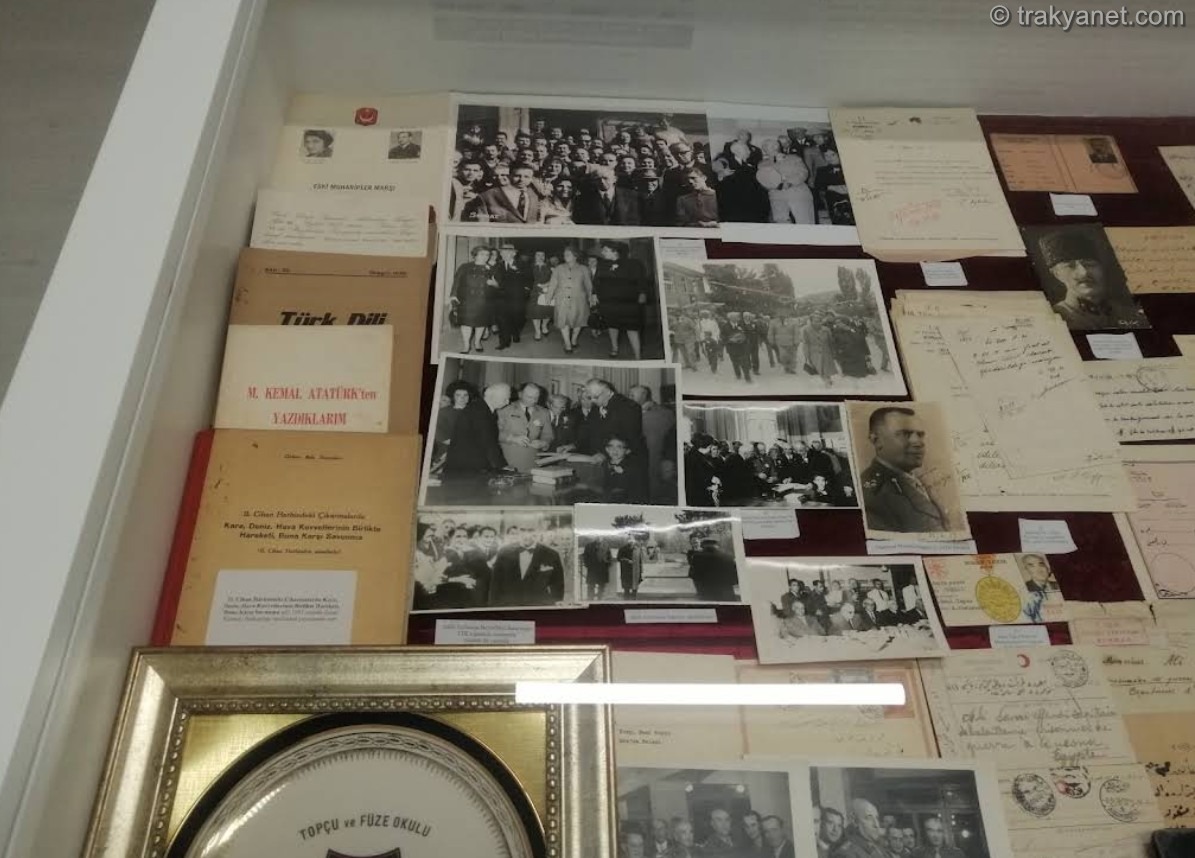
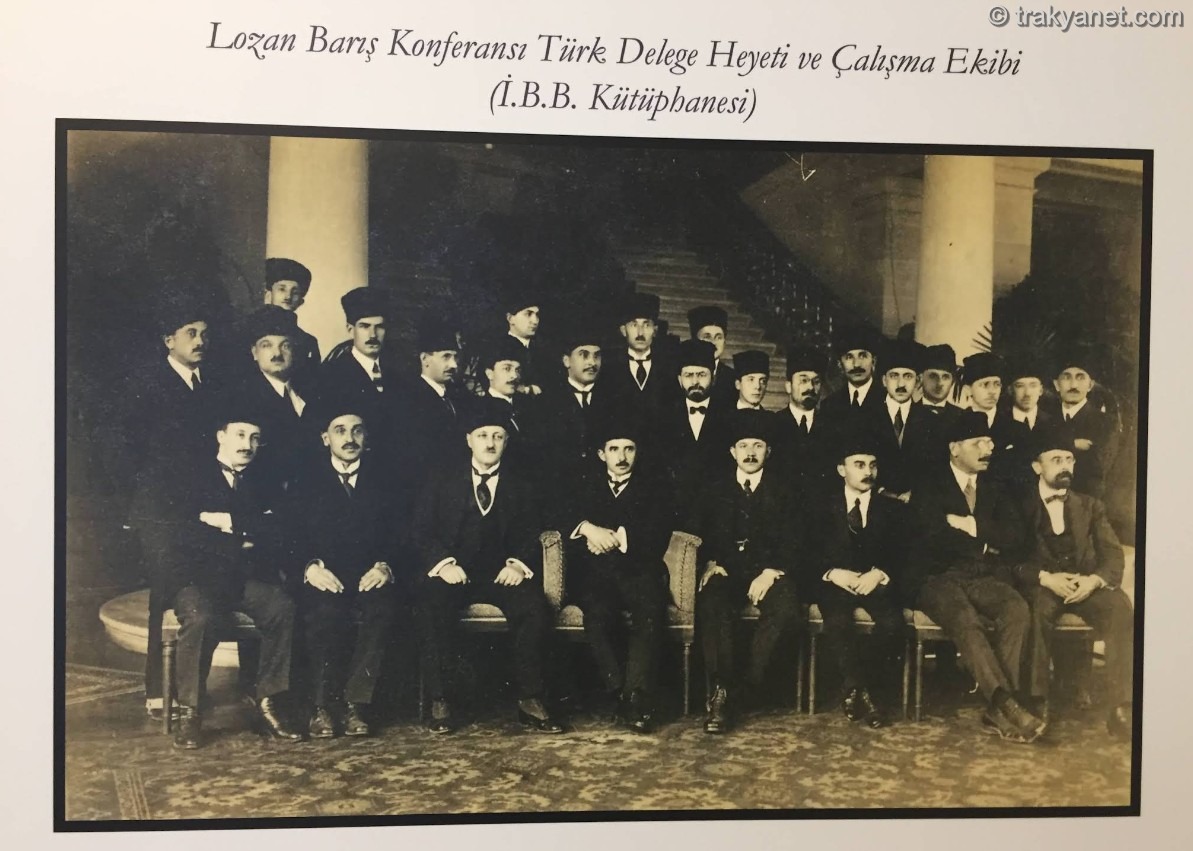
G Room: Lausanne Conference and Peace Treaty; The museum houses photographs of the Lausanne delegation and its officials, the instructions and authorization documents given to the Lausanne Delegation, photographs of the conference building and halls, signed documents, examples of correspondence between the delegation and Ankara, provisions and maps regarding the Thracian border and demilitarized areas according to the Treaty.
Room H: Photographs and caricatures related to the Lausanne Conference, the Karaağaç Protocol of the Lausanne Peace Treaty, documents and photographs regarding railway transportation and the use of the Karaağaç station, and the handover of Karaağaç to the Turks on September 15, 1923.
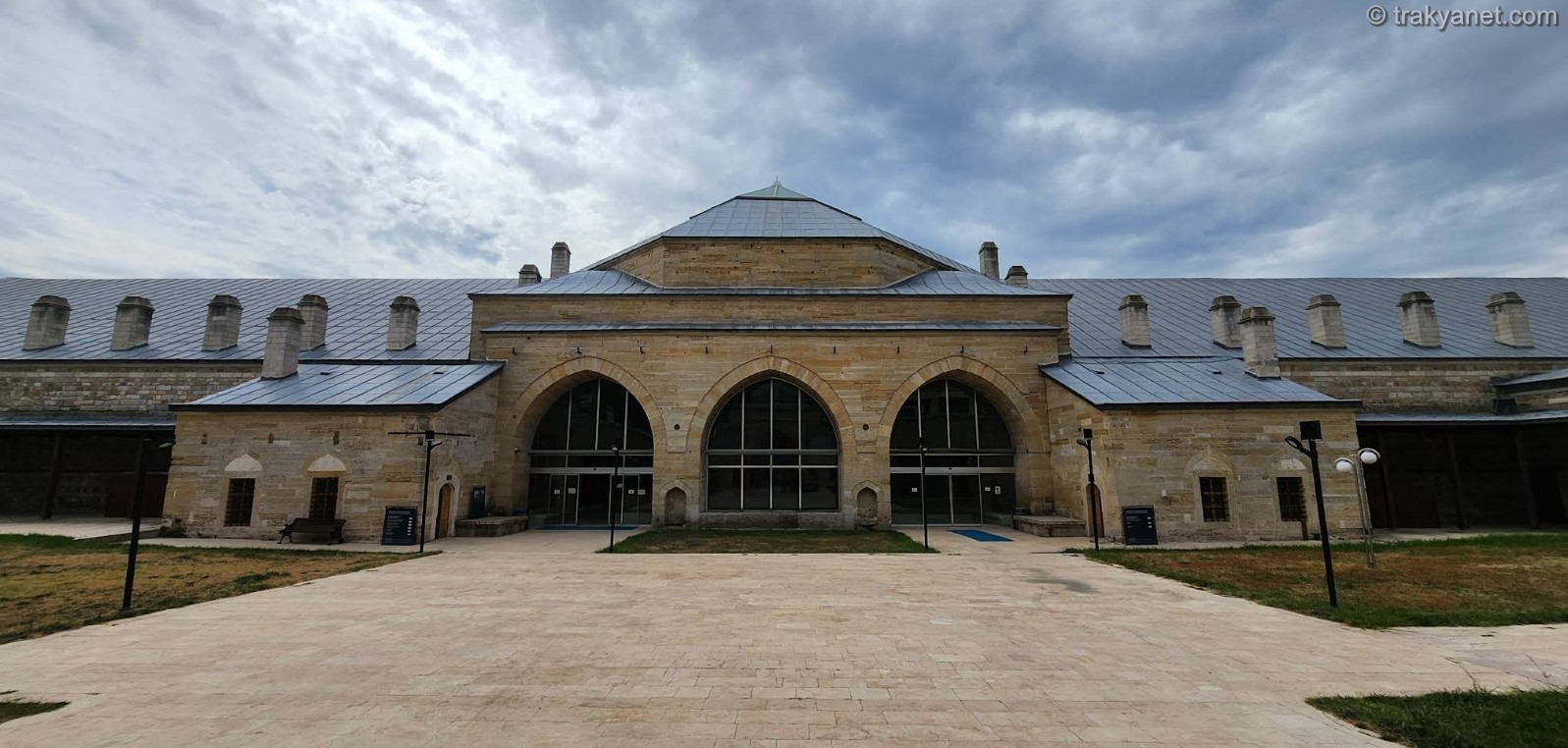
The National Struggle and Lausanne Museum is affiliated with Thrace University and welcomes visitors.