




September
Sunday
Select the settlement whose topics you want to see
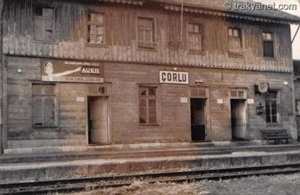
Corlu According to Evliya Celebi
In the eighth volume of his Seyahatname (Book of Travels), Evliya Celebi mentions Corlu as follows:
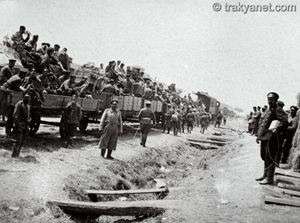
Corlu During the War Years
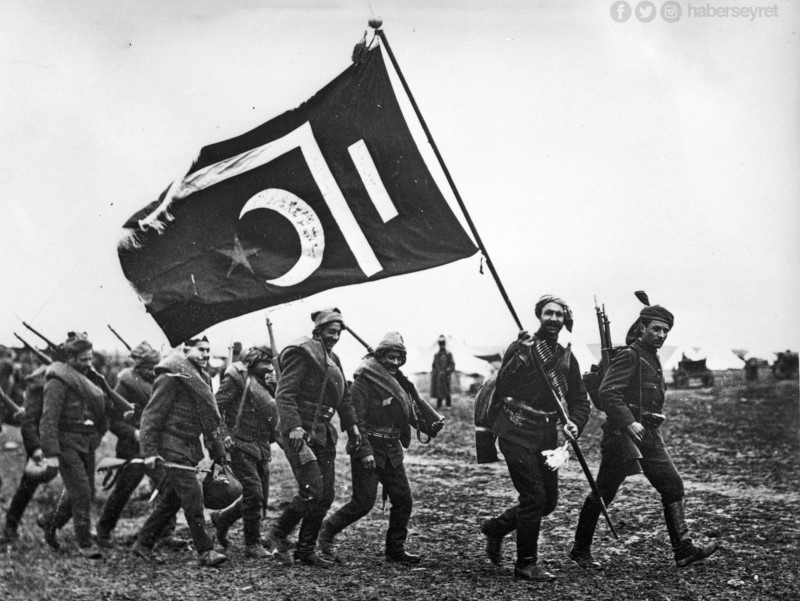
During the first phase of the 1912-1913 Balkan Wars, the headquarters of the Ottoman Eastern Army Command was located in Corlu. When news reached Corlu that the Bulgarians had captured Edirne and were advancing towards Babaeski and Luleburgaz during the Second Balkan War, the population panicked. To escape Bulgarian oppression, the people of Edirne province were abandoning their homes and trying to flee to Istanbul. These groups of people, fleeing to Istanbul by road, passed through Corlu, frightening the local population. Fearing a similar fate soon, they began packing their belongings.
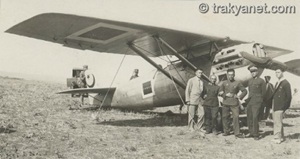
Corlu in the Ottoman Era
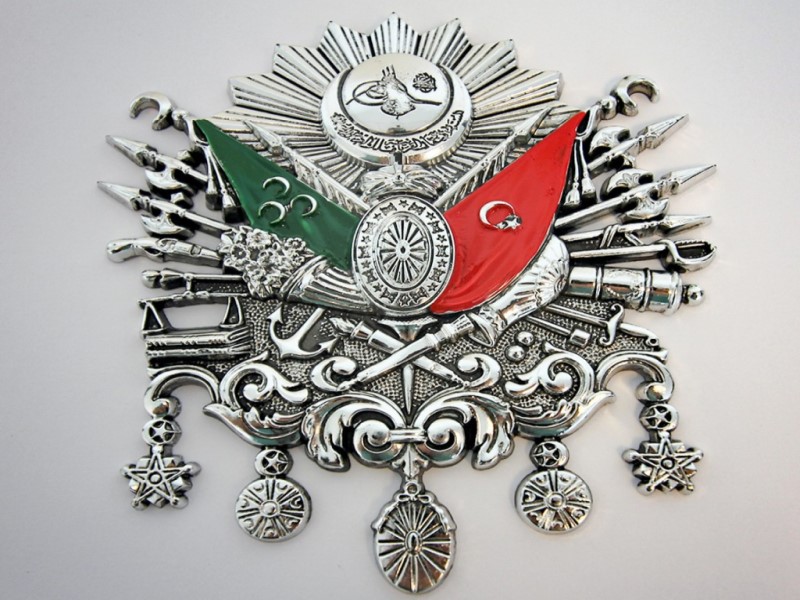
Corlu has been the scene of important historical events due to its location as a resting place on the main road extending from Anatolia to the Rumelia border during the Ottoman period.
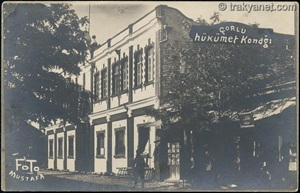
Name of Corlu
Corlu is located in the central part of Thrace, on a plain above the plateau. Its higher elevation compared to the surrounding area facilitates the city's defense and provides the advantage of anticipating potential threats. Furthermore, the Corlu Stream, which flows just north, supplies the city with water year-round. Possessing all the geographical features sought by early humans, this area was undoubtedly opened to settlement and agriculture with the Thracian migrations. Indeed, the discovery of prehistoric settlements in the vicinity supports this view. However, due to insufficient research, it is not possible to give definitive information about the founding date of Corlu.
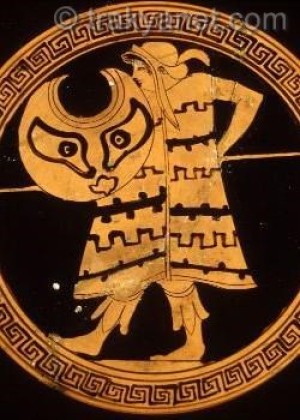
Thracians
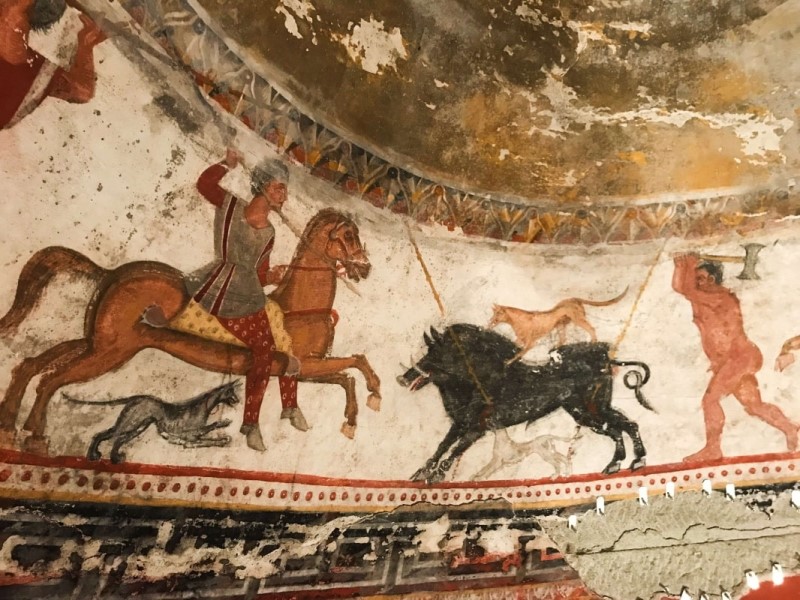
Thracians are the name we now give to the people who created one of history's oldest and most striking cultures, giving their name to the region we now call Thrace. While Thracian is not a term used by these people to describe themselves, it is now a valid term to describe this magnificent culture. Thracians are the creators of one of the most distinctive cultures in human history and have left us their immortal cultural legacy.