
The two museums established in Edirne in 1925 and 1936 were merged under a single directorate in 1954, with Muzaffer Batur appointed as director. Although some brief introductory texts were written after the consolidation of both museums under one directorate, a period of stagnation occurred until 1966. From that year onwards, with the increase in the number of artifacts, the construction of a new building was included in the program.
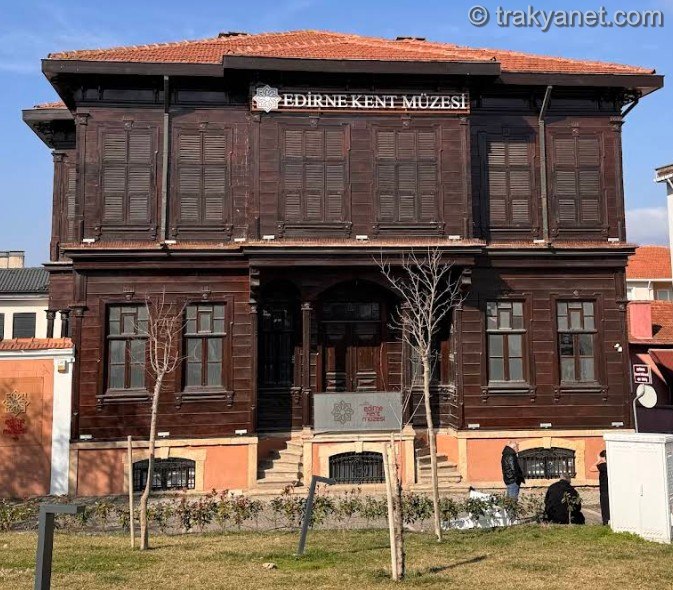
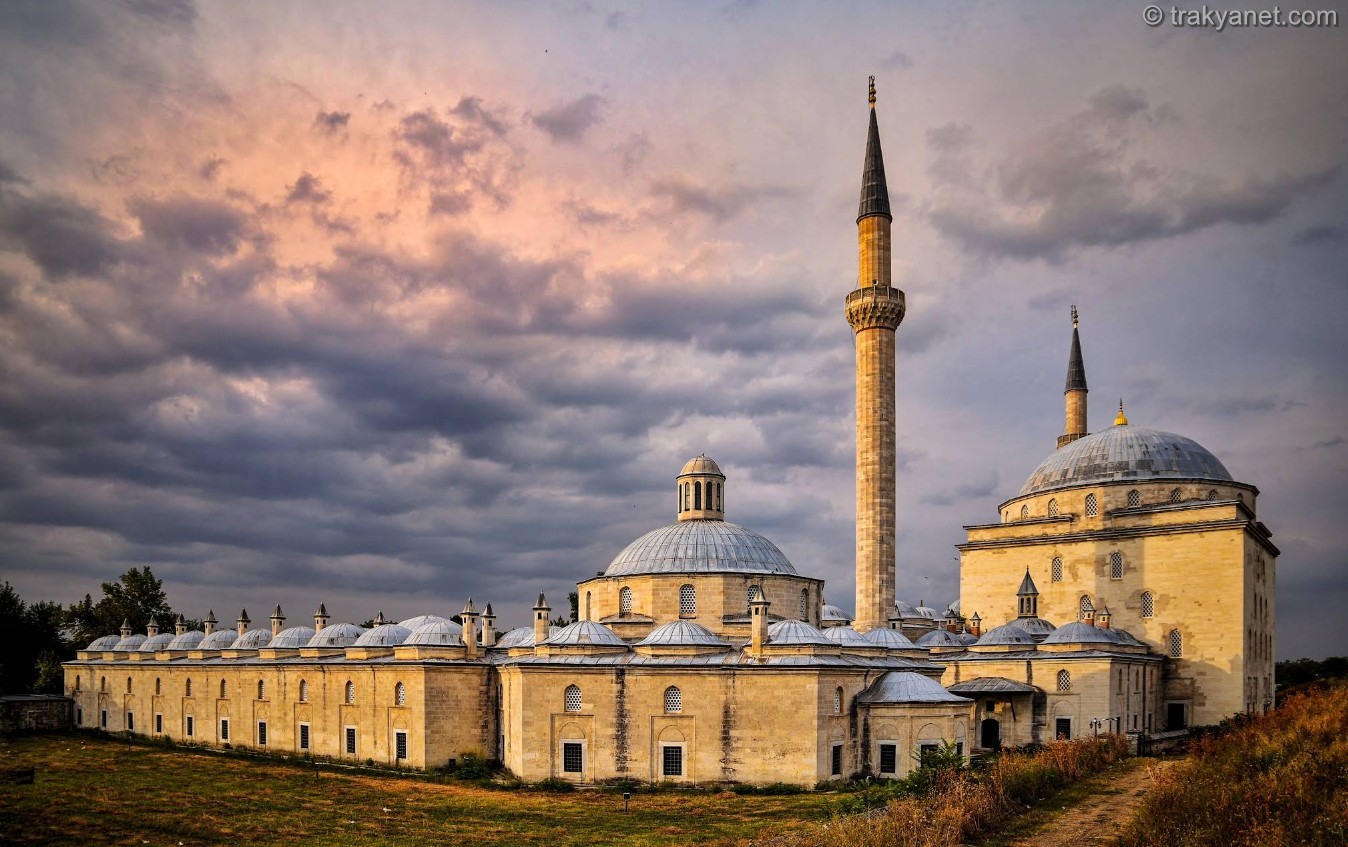
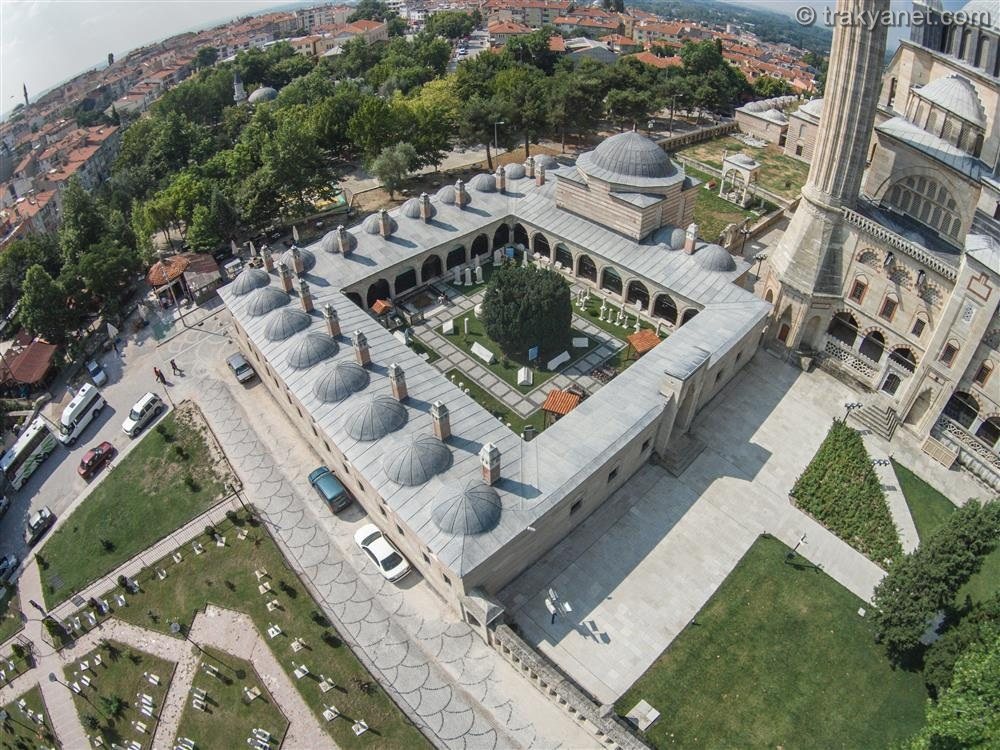
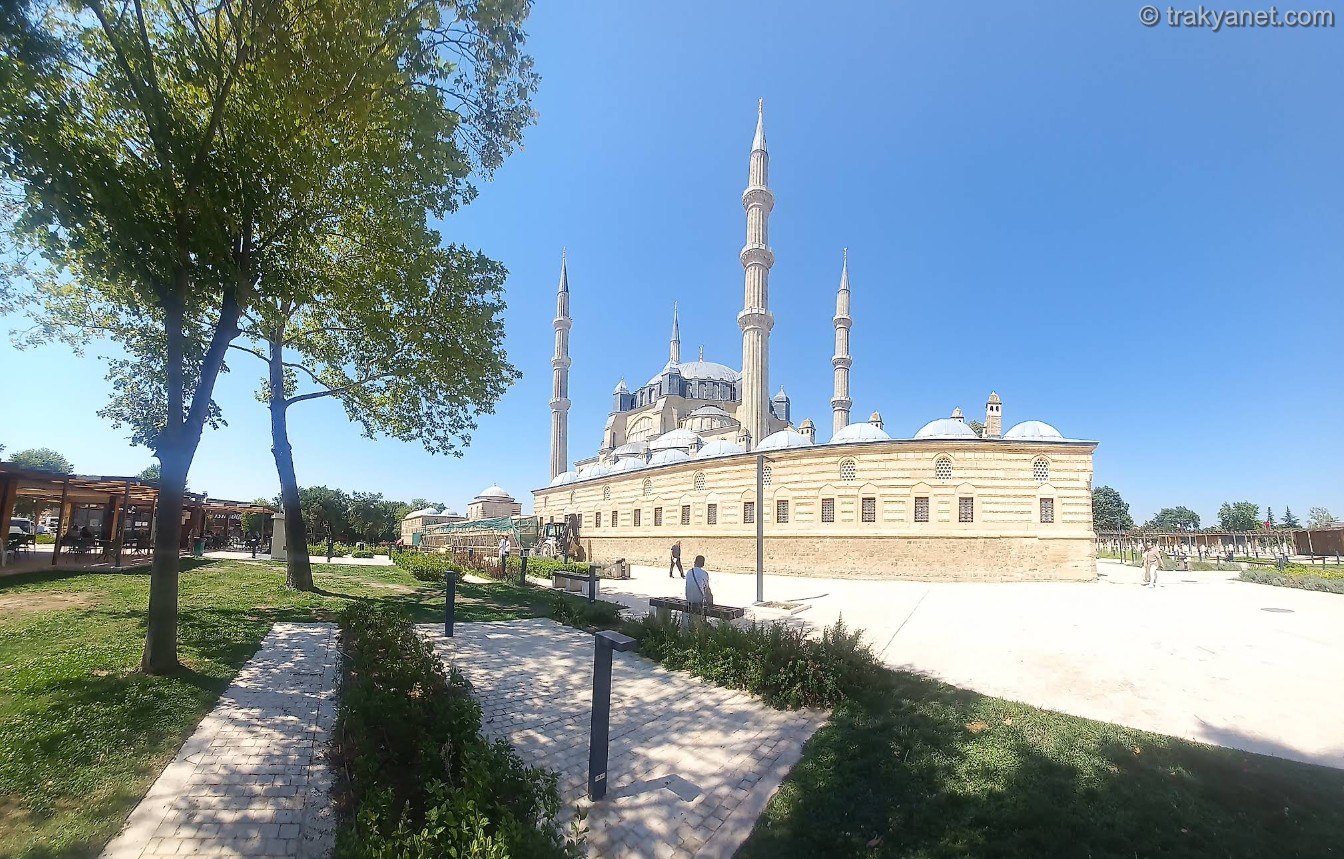
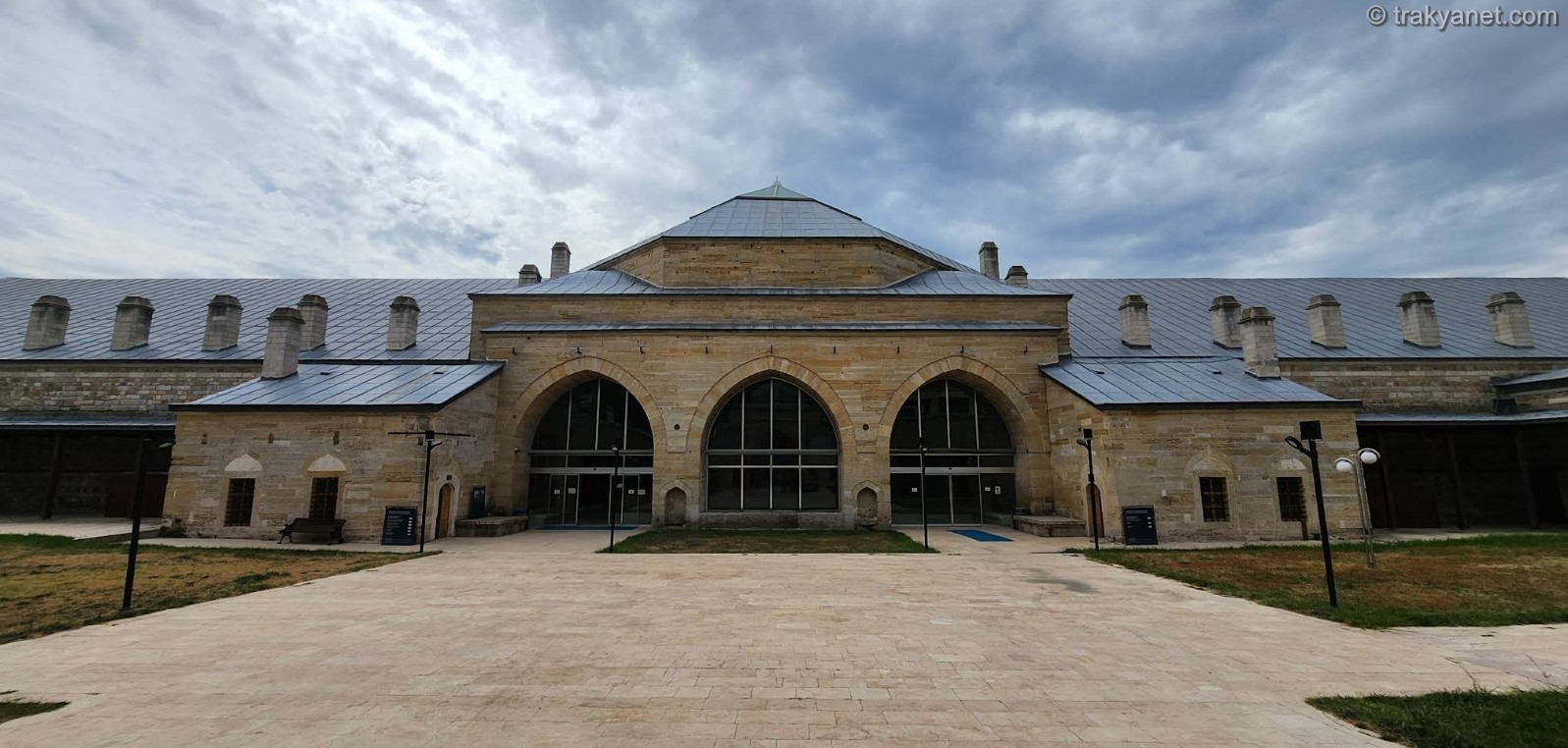
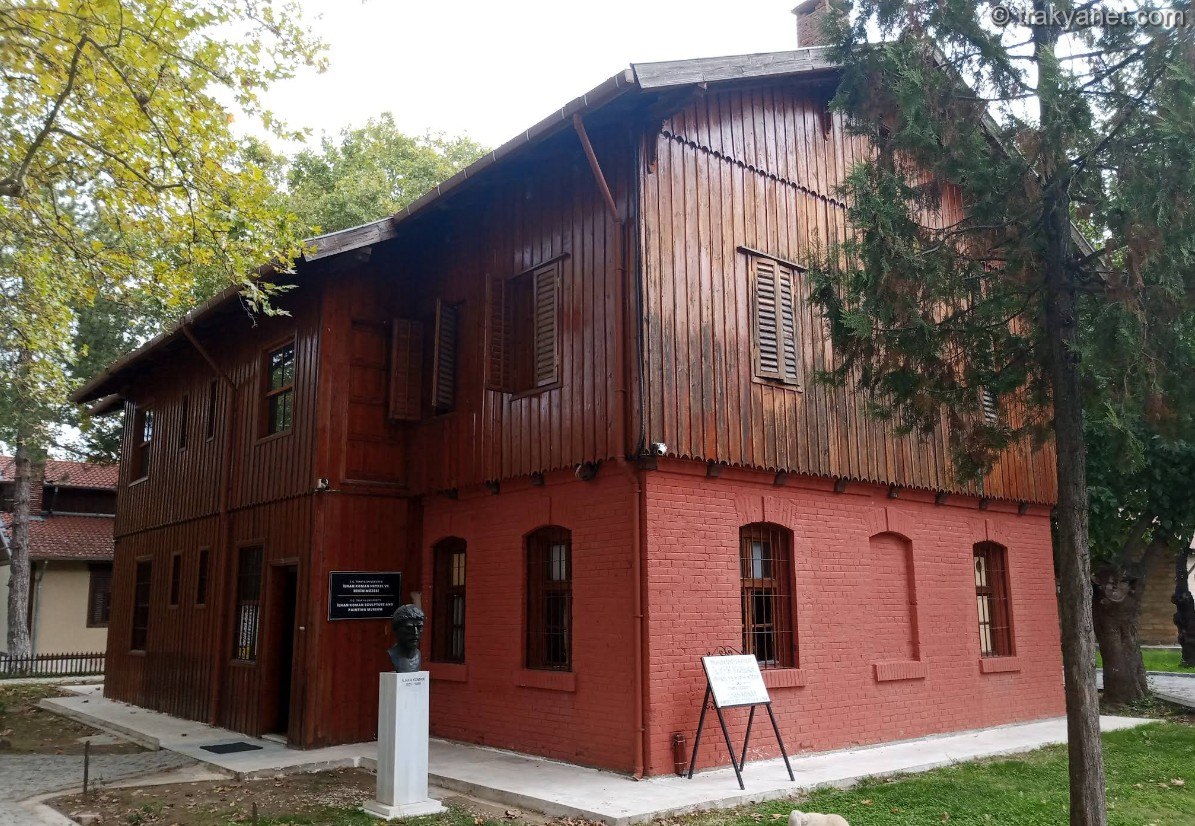
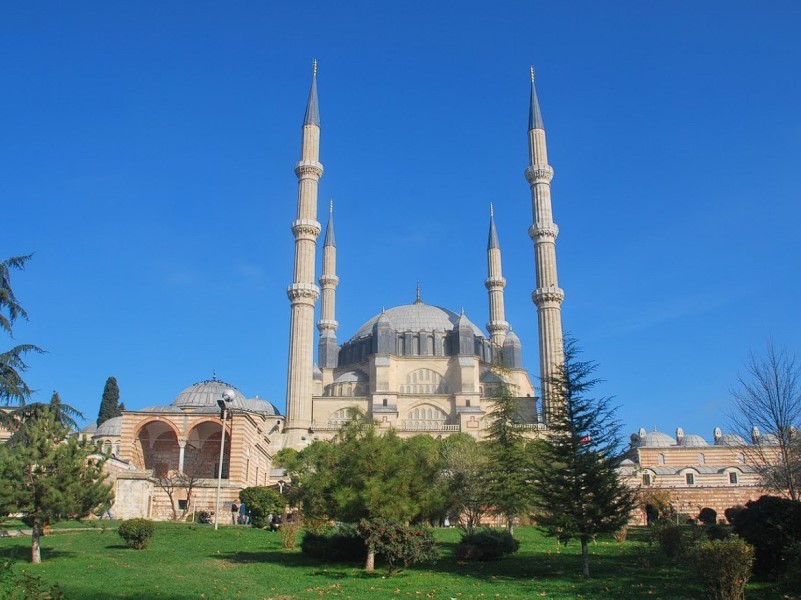
It was decided that the new museum building, in accordance with the standard plan prepared by architect Ihsan Kiyigi, which was implemented in many provinces of Anatolia, would be built in the area behind the Selimiye Mosque. The construction process, after pauses, was completed in the early 1970s. During this process, the building used as the Ethnography Museum was also renovated and its exhibition was reorganized.
In 1971, this museum was opened under the name of the Turkish-Islamic Artifacts Museum, similar to those seen in Istanbul and Bursa, which were also capital cities of the Ottoman Empire, and the building completed behind the Selimiye Mosque was opened to visitors as the Edirne Archaeology and Ethnography Museum.
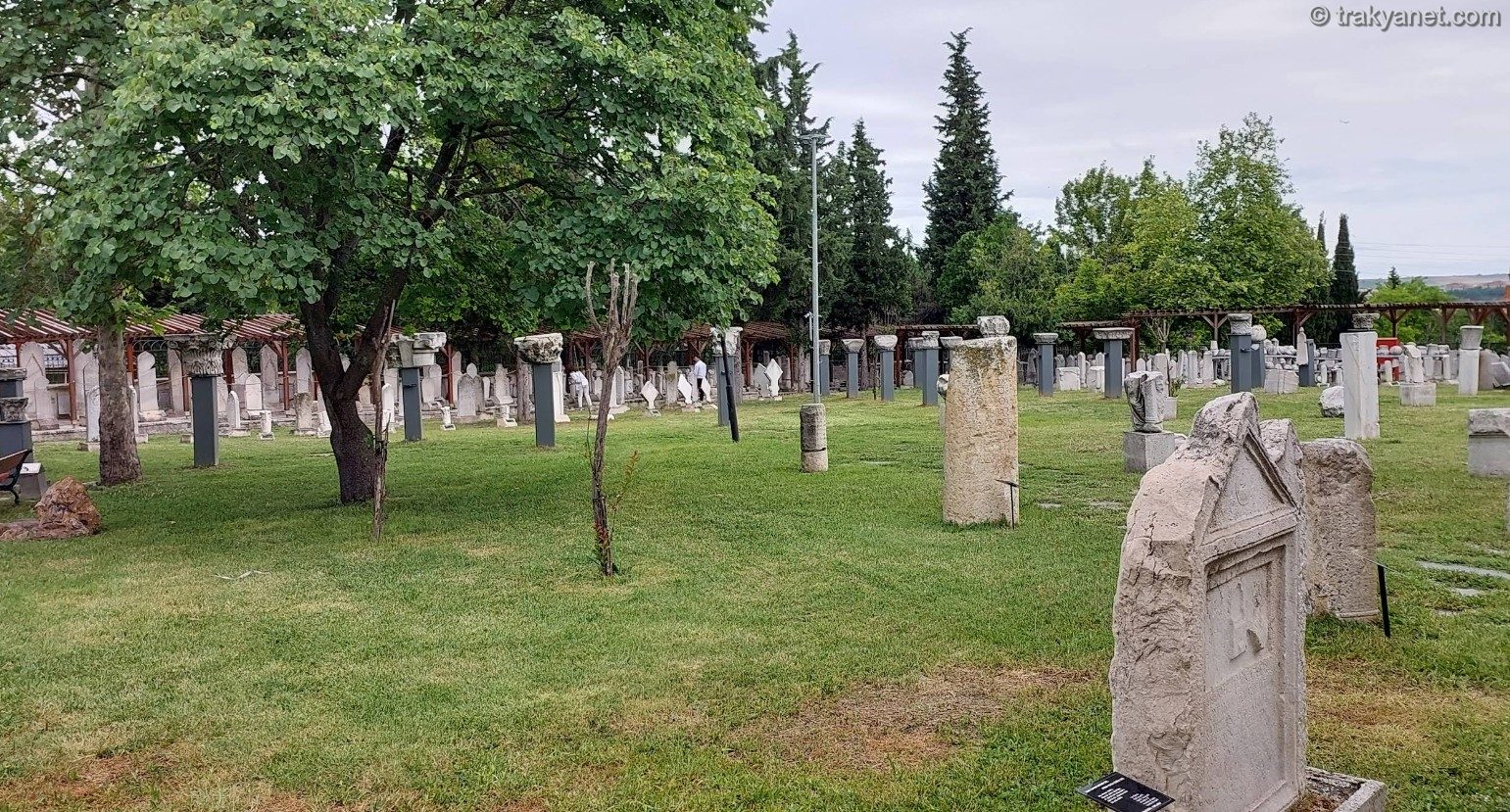
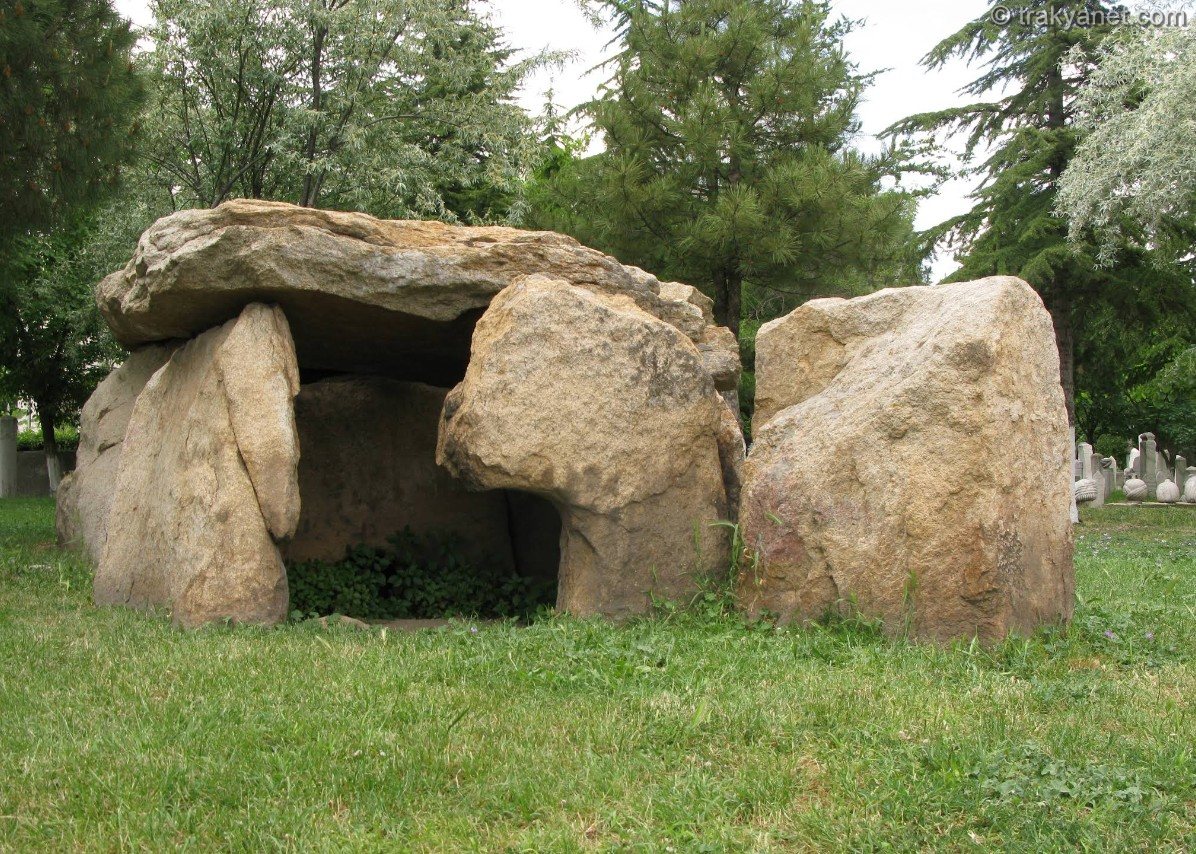
In the archaeology section of the museum, which houses archaeological and ethnographic artifacts; sarcophagi, dolmens and menhirs from the Roman period are exhibited in the garden, and immediately behind them, gravestones from the Ottoman period are displayed. The garden also displays column capitals and sculptures from the Hellenistic, Roman, and Eastern Roman periods, as well as Edirne's fish ponds and birdhouses related to the water culture of the Ottoman period. In addition, the Archaeology section begins with paleontological fossils. These include fragments of rhinoceros and horse bones, jawbones, teeth, and vertebrae from the end of the Tertiary period, found in and around Edirne. Fossils from the Miocene period, 30 million years ago, and other marine animal fossils are also exhibited here.
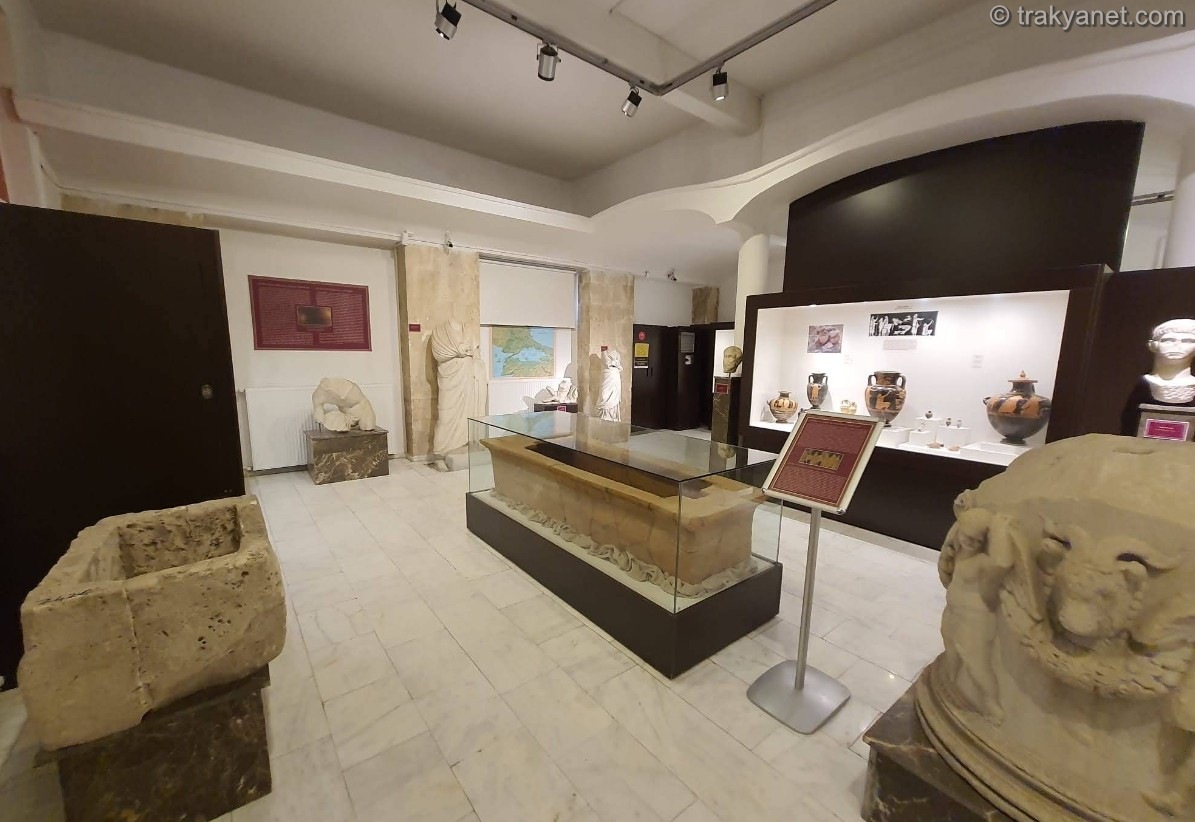
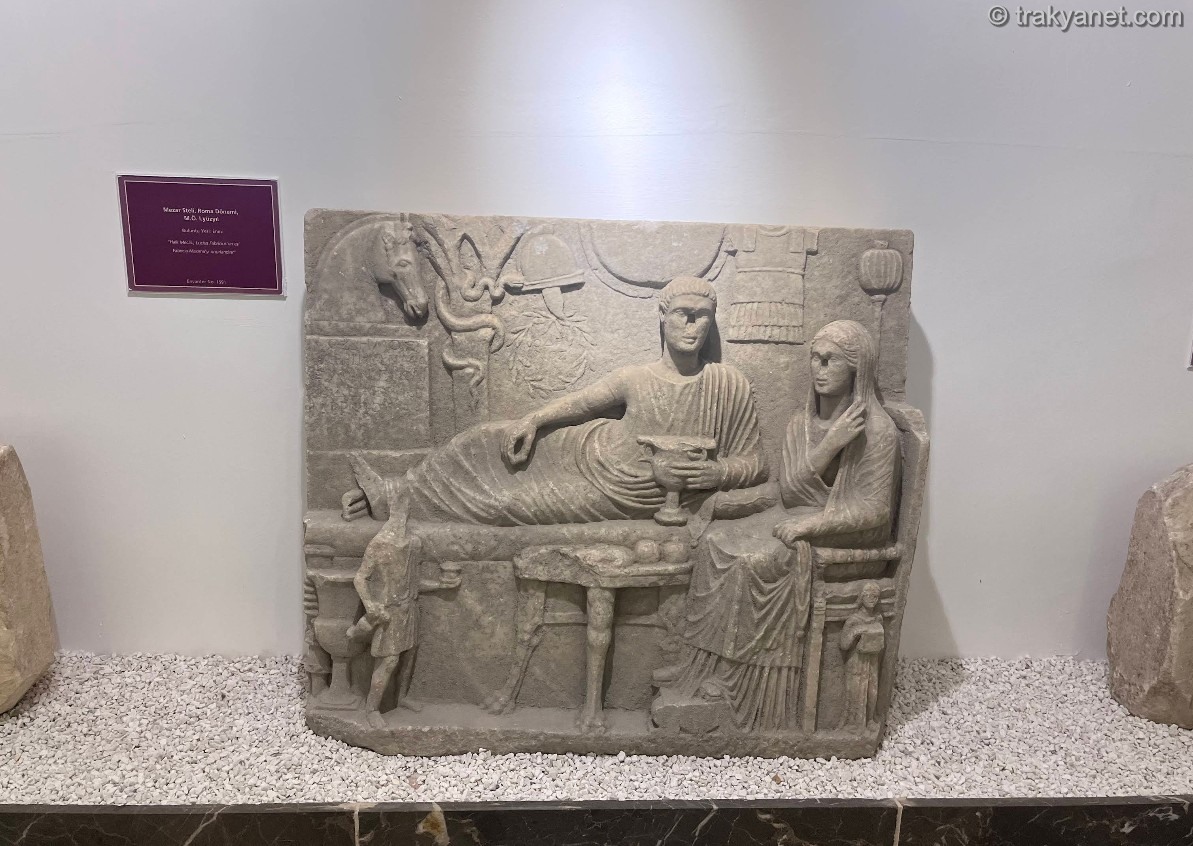
The archaeological finds begin with stone, bone, and terracotta artifacts from the Middle Neolithic - Early Chalcolithic period (7300-7400 years ago) found at the Enez Hocacesme Mound. The museum garden displays artifacts from the Hacilar Dolmen excavation, ceremonial vessels from the Lalapasa Arpalik Dolmen and Taslicabayir Tumulus rescue excavations; The exhibits showcase the culture dating back to the Late Bronze Age - Early Iron Age, between 1400-800 BC. Among the marble sculptures and steles, the museum displays regional artifacts, including tomb steles depicting a deified Thracian horseman, belonging to the Thracians, the indigenous people of the region.
Enez, an important port city established on a crucial transit route connecting the Balkans, Anatolia, and the Aegean in ancient times, has been the site of ongoing excavations and research since 1971-72, revealing the region's development from the Neolithic Age to the present day. The Enez excavation finds, which constitute a significant part of the museum, include figurative amphoras, terracotta figurines and ceramic artifacts, marble sculpture fragments, steles, various jewelry, and other valuable artifacts.
In addition to regional artifacts seized from Kapikule, Ipsala, and other border crossings, the museum also displays various artifacts belonging to Anatolian civilizations. Jewelry, terracotta and glass artifacts, as well as sculptures, steles, and coins from their respective periods are displayed in showcases.
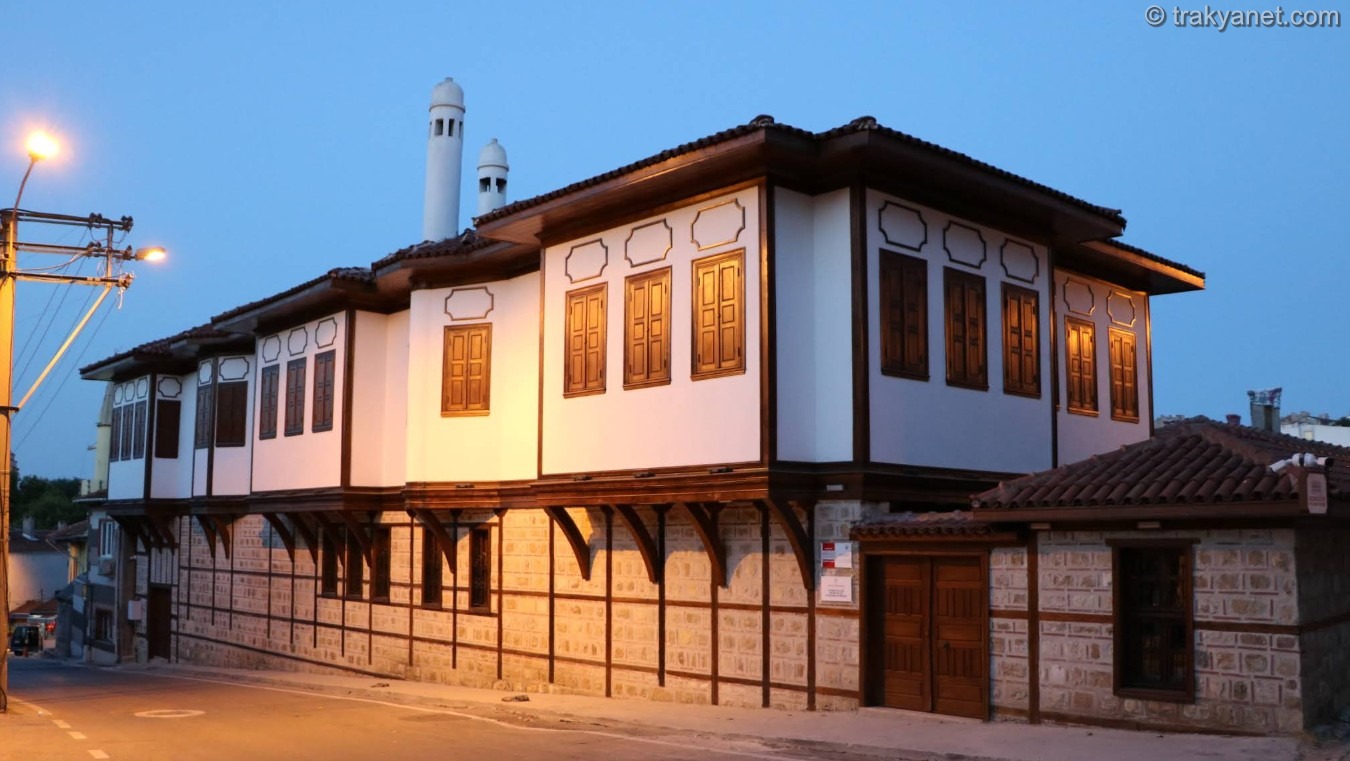
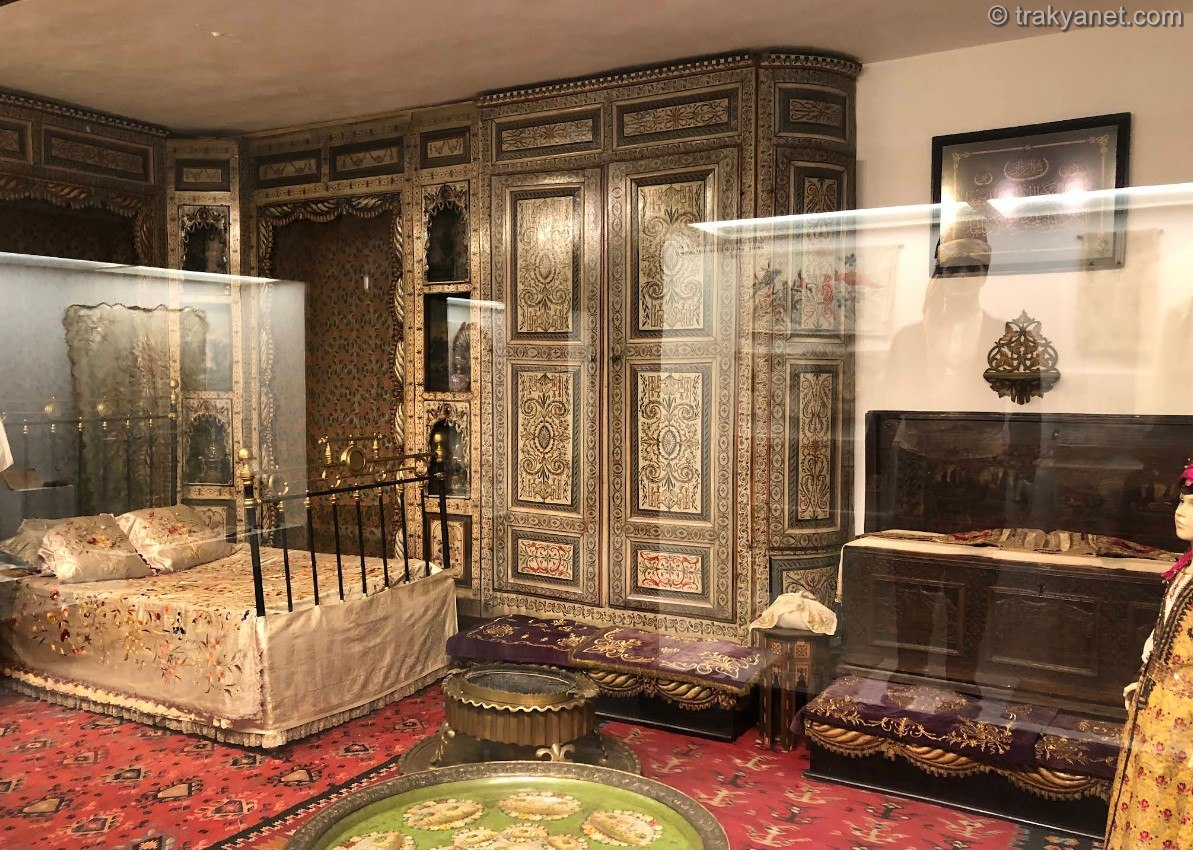
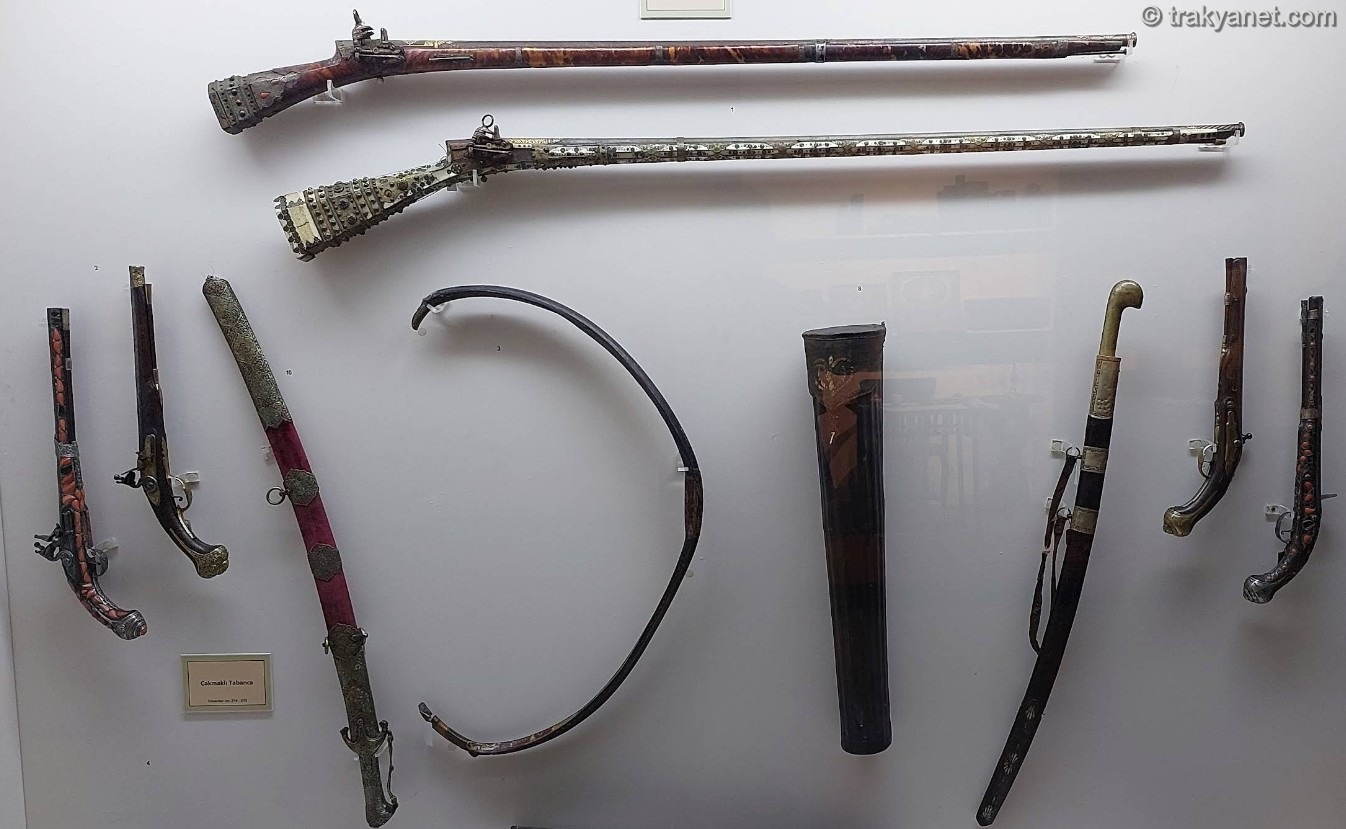
Edirne, which served as the capital of the Ottoman Empire for approximately a century, was known as one of the important cities in the 17th century, and the exhibition of ethnographic artifacts reflects this unique culture. The carpets, embroideries, and Edirnekari storage cups in the bridal room are valuable works of art from that era. The gilded ewers, incense burners, and rosewater sprinklers displayed in the hall are noteworthy. Regional clothing specific to the Balkans sheds light on the city's ethnographic identity. In the hall, where various examples of calligraphy are represented, some personal belongings used by the Great Leader Ataturk during his visit to Edirne are also exhibited. The exhibition begins with a carpet and rug gallery at the entrance. The large hall houses Edirnekari-style storage chests, Edirne bridal rooms, bath corners, Edirne living rooms, Sarkoy carpets, examples of linen plaster from Edirne houses, various embroideries and clothing, jewelry, lace, and artifacts gifted by individuals. Wooden chests decorated with ship depictions, decrees, calligraphic panels, and original examples of Edirnekari ornamentation techniques are also among the exhibits in this section.
It is hosted by the Ministry of Culture and Tourism and welcomes visitors.