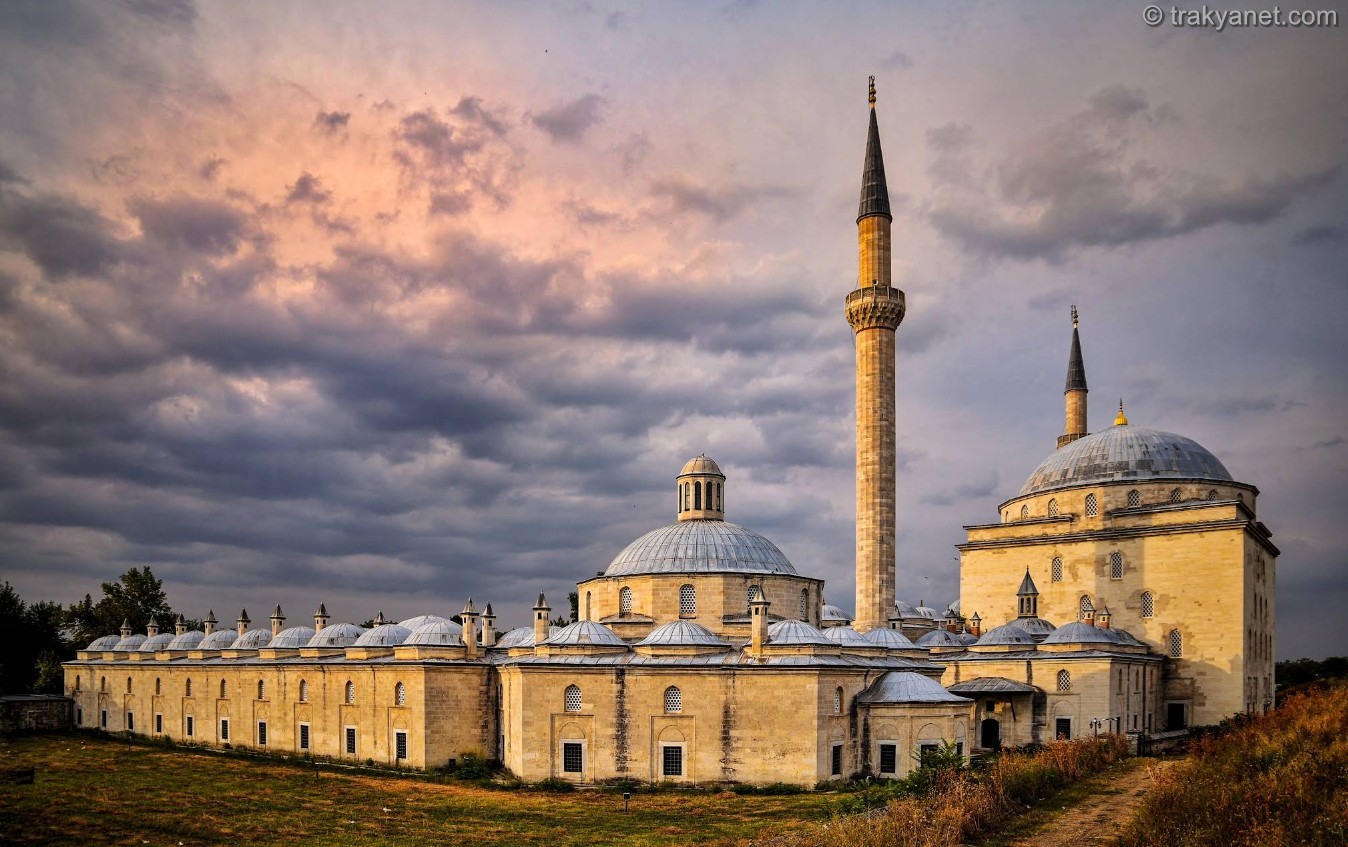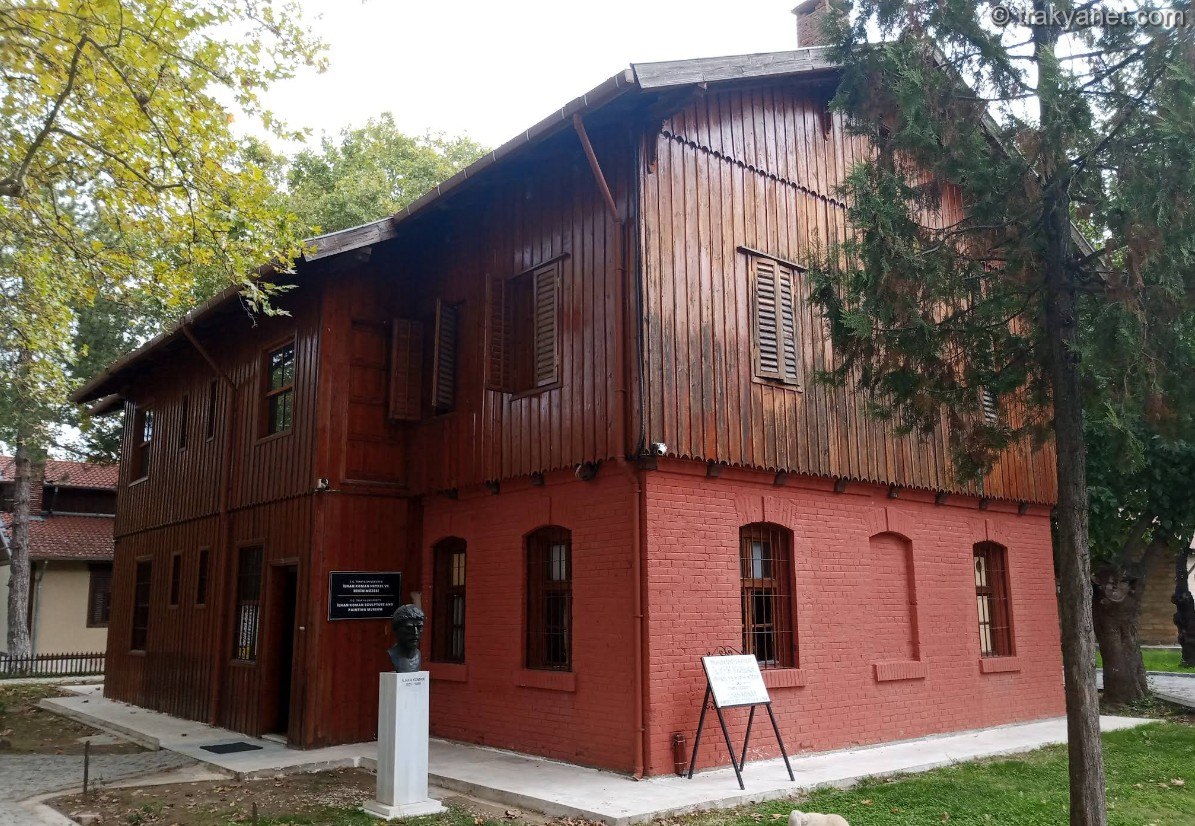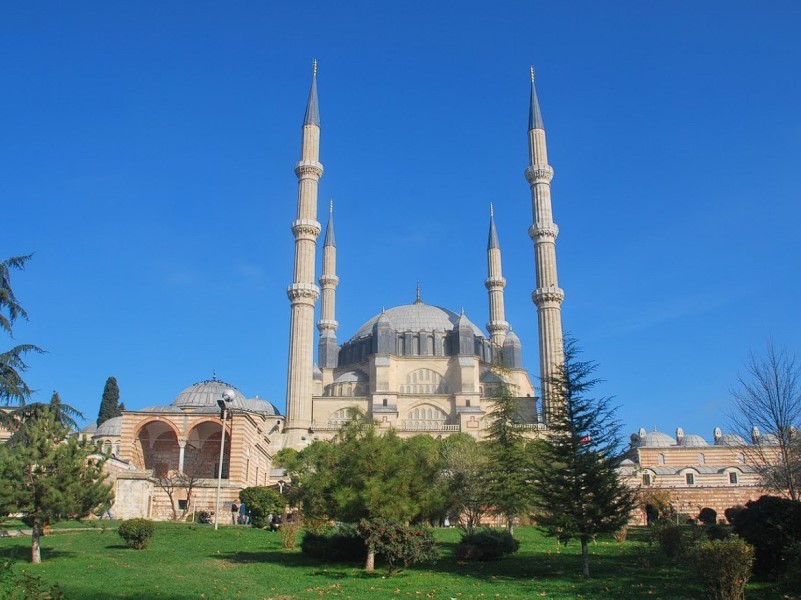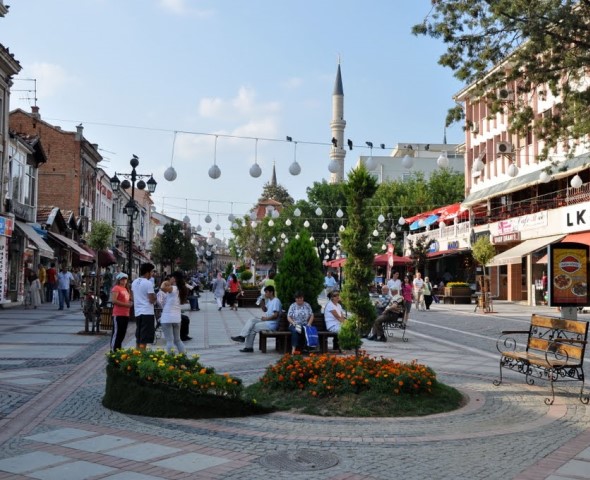

Edirne, a border city that served as the capital of the Ottoman Empire for nearly a century, is one of our important cities that connects the past with the present through its historical and cultural heritage, most notably the world-renowned Selimiye Mosque Complex. Aiming to preserve the centuries-old foundation culture and civilization, the General Directorate of Foundations, through a project carried out by the Edirne Regional Directorate of Foundations, has brought the Selimiye Foundation Museum to Edirne.
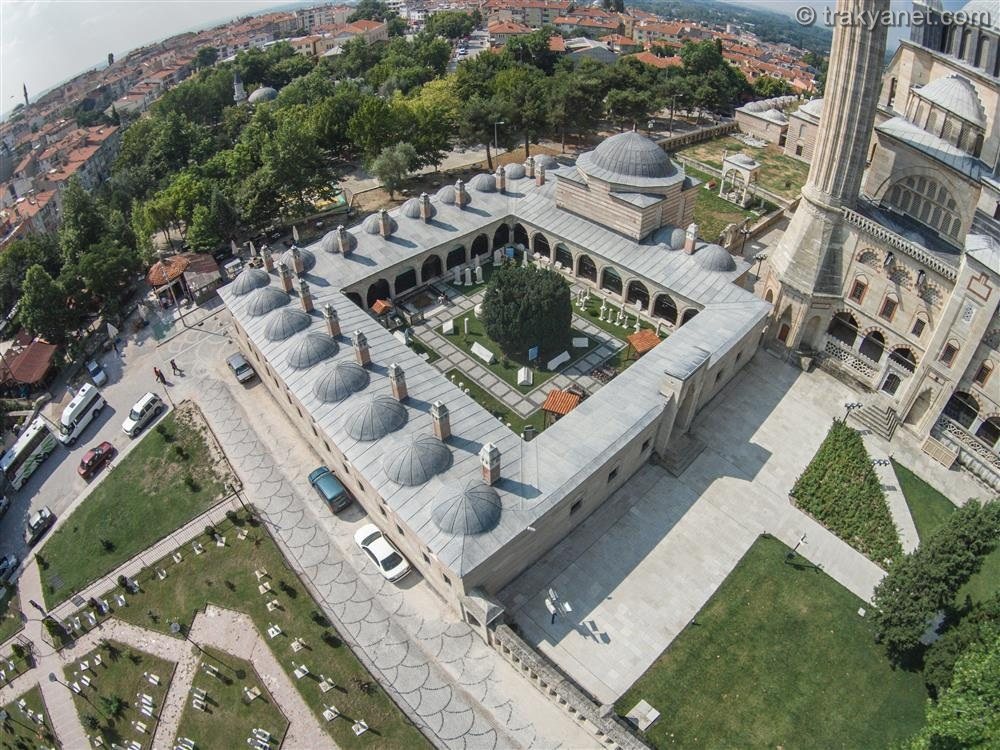
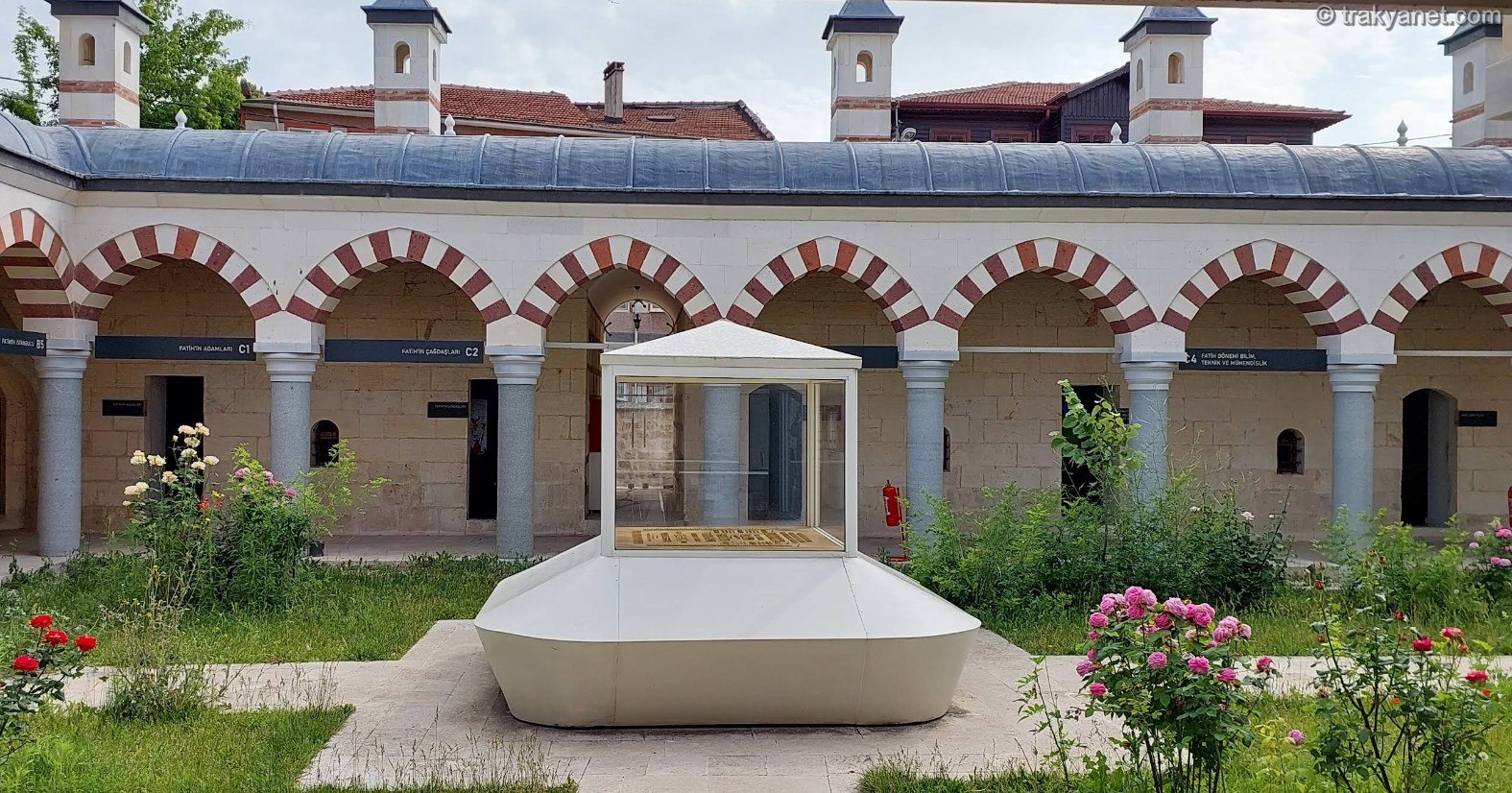
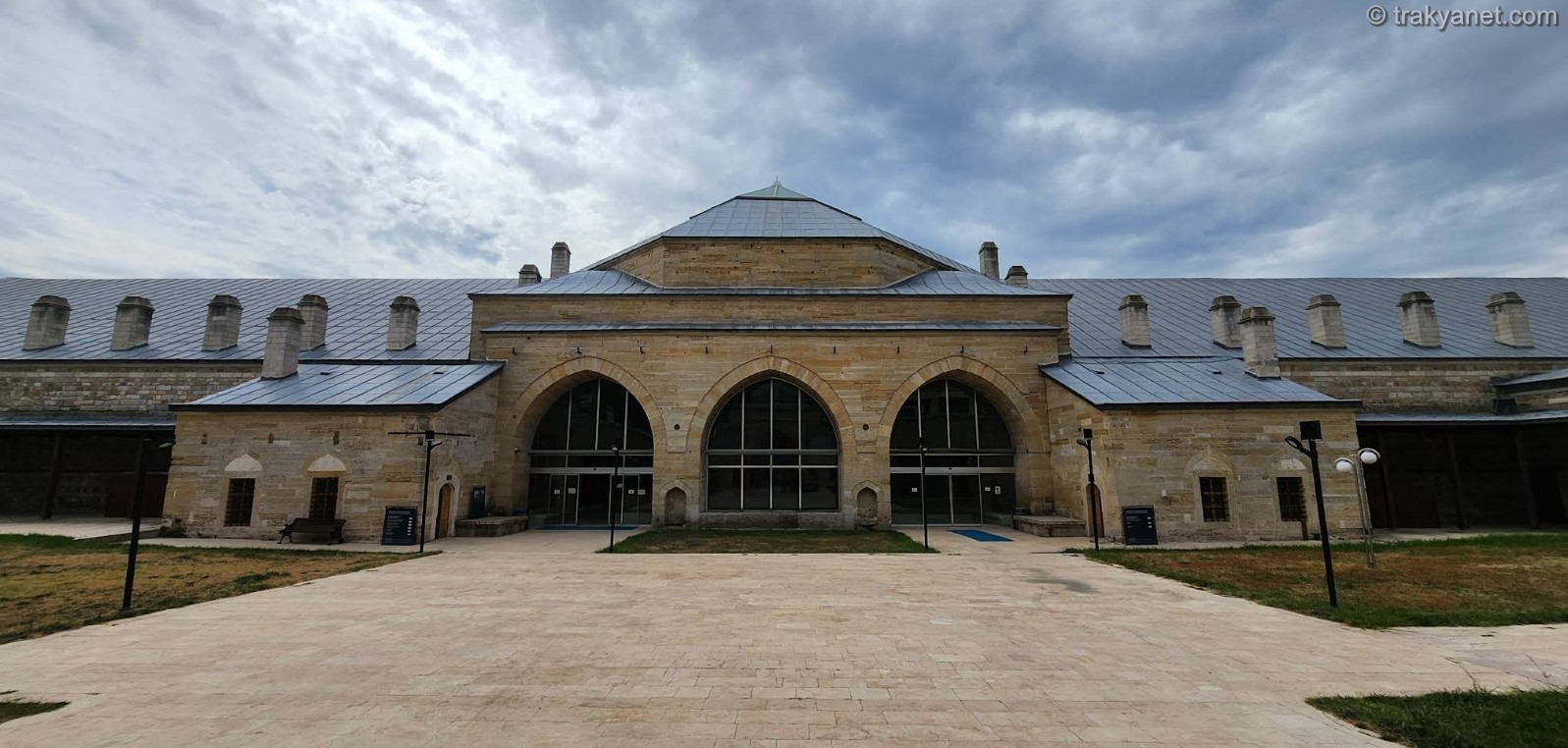
The Dar'ul Kurra Madrasa, chosen as the location for the Selimiye Foundation Museum, served as a higher education institution for the Ottoman State from its construction until recently. It is located within the Selimiye Complex, in the southwest corner of the mosque. The building, along with the mosque, was commissioned by Sultan Selim II (1566-74) and built by the architect Sinan between 1569 and 1575. Built using finely cut stone and brick, the Dar'ul Kurra Madrasa is entered through a monumental gate. A rectangular courtyard is surrounded on four sides by a row of pointed arched arcades. Behind the arcade, on the east side, is a large, square-plan, domed room that served as a classroom and mosque; the rooms on the south and west sides were used as living quarters for the madrasa teachers and students.
After remaining empty and neglected for many years, the Dar'ul Kurra Madrasa was restored in 2007 and reorganized as a museum, taking the name Selimiye Foundation Museum. Thus, another work has been added to cultural tourism, and an important work of Mimar Sinan has been rescued from its dilapidated state and restored to its original condition.
The majority of the artifacts exhibited in the Selimiye Foundation Museum, overlooking the magnificent minarets of the Selimiye Mosque, consist of movable cultural assets belonging to foundation buildings in Edirne, Kirklareli, and the surrounding areas. These items, called "teberrukat," found in foundation buildings, have taken their place in the Foundation Museum, which has been organized with a contemporary approach after restoration work, thus both saving them from being abandoned in storage and becoming cultural ambassadors.
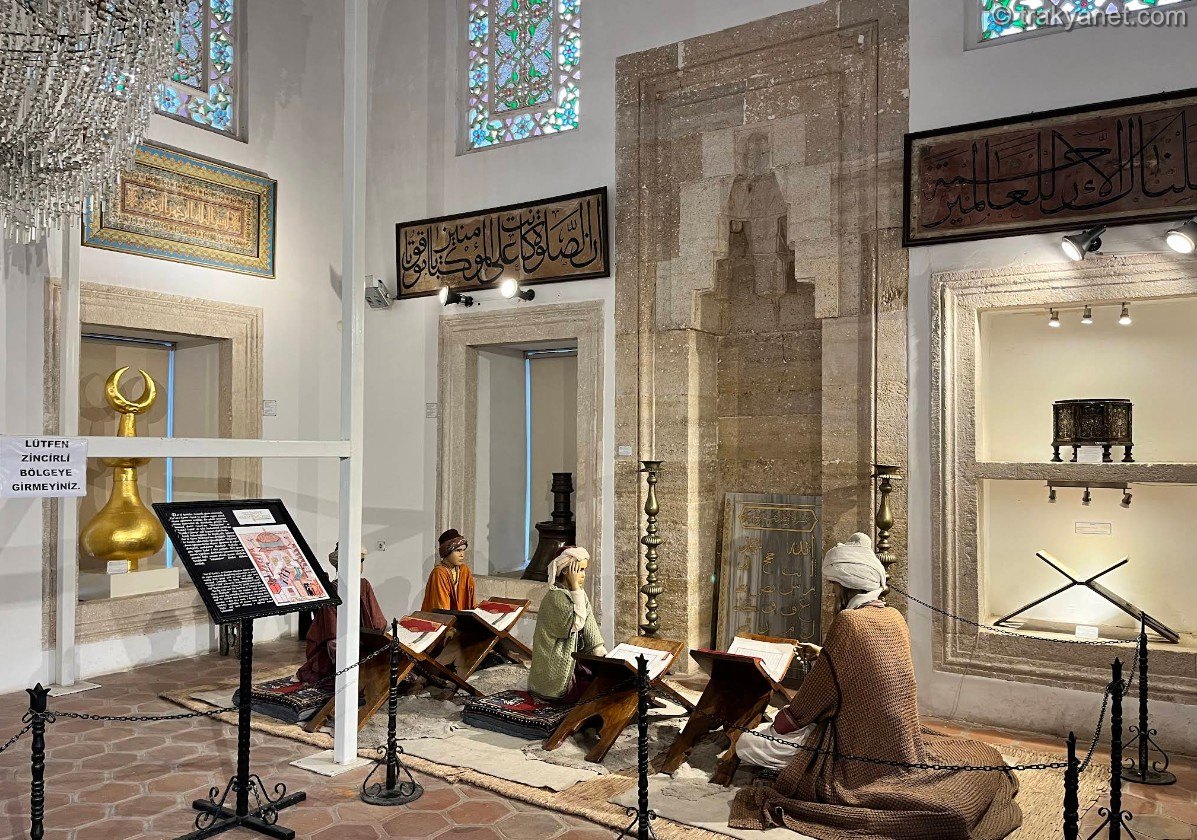
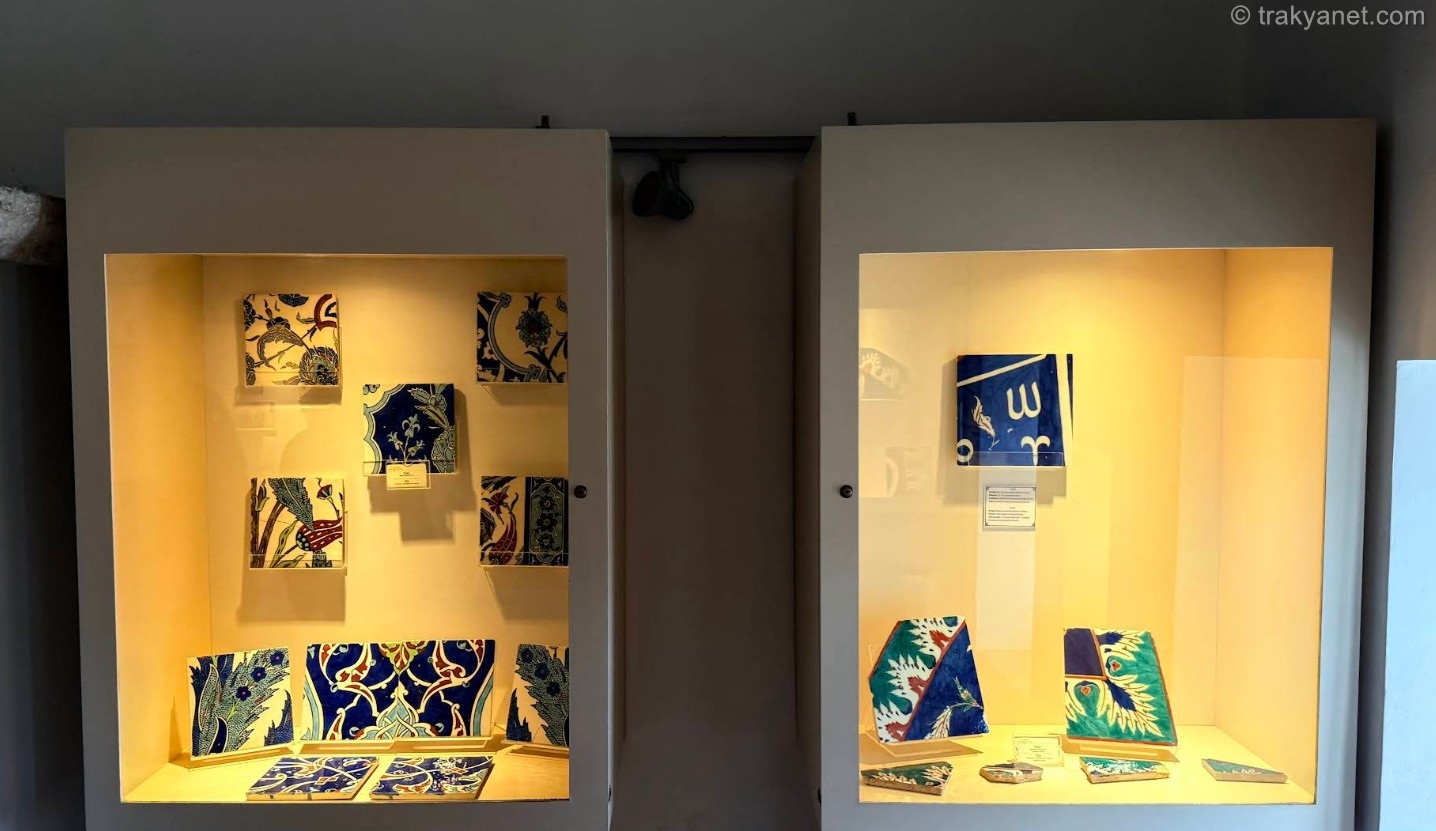
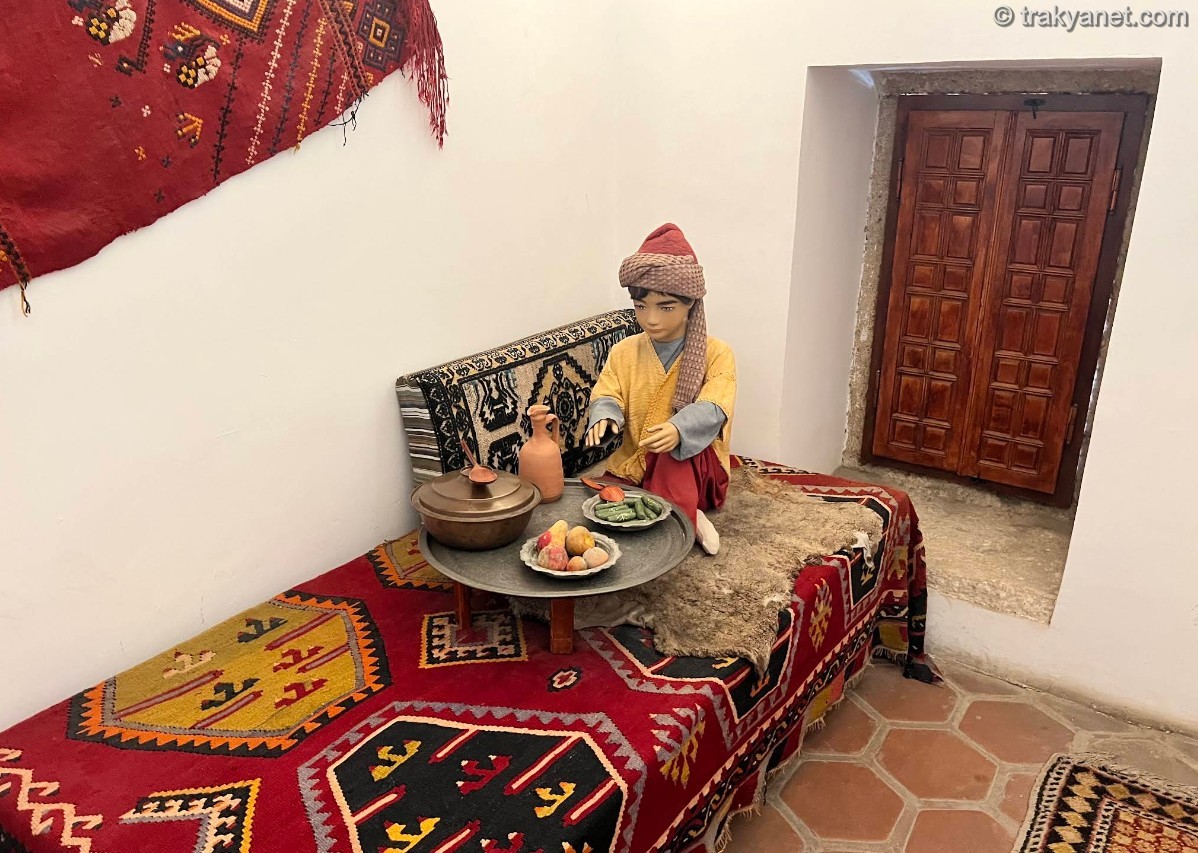
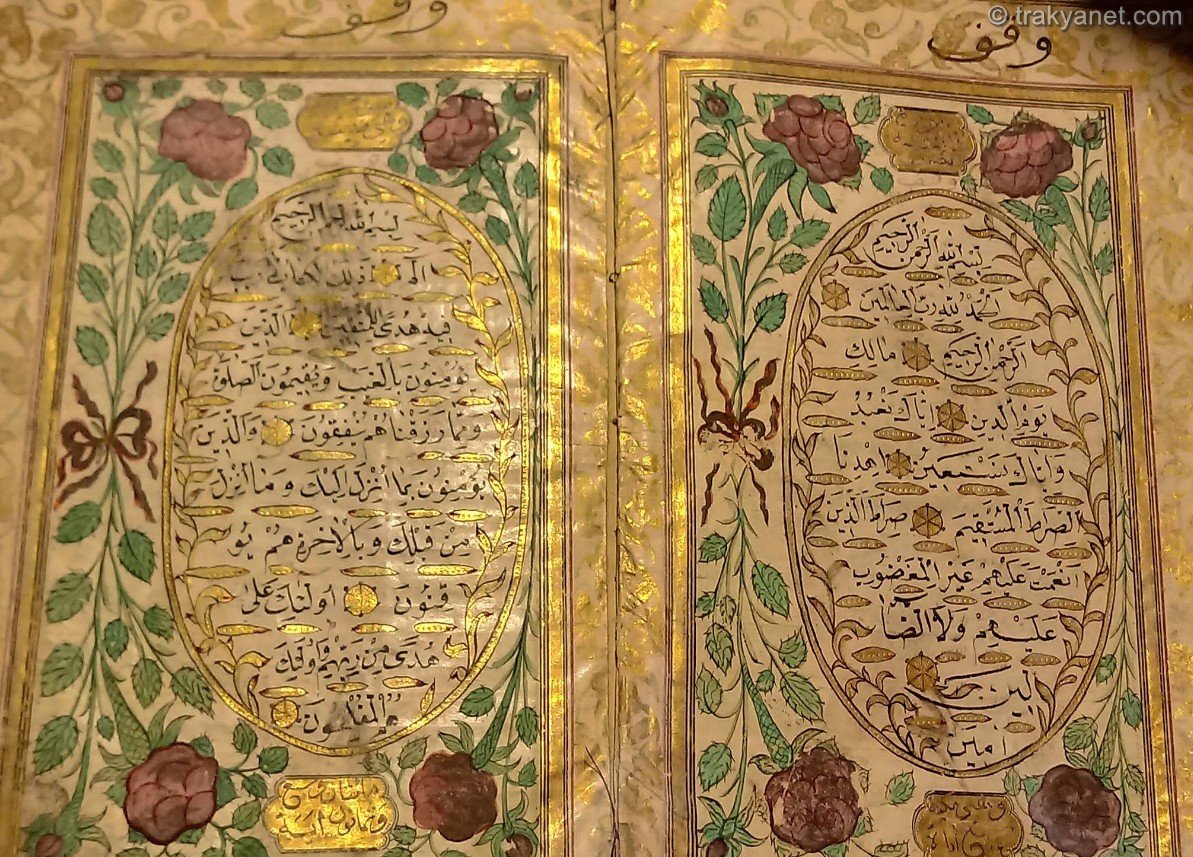
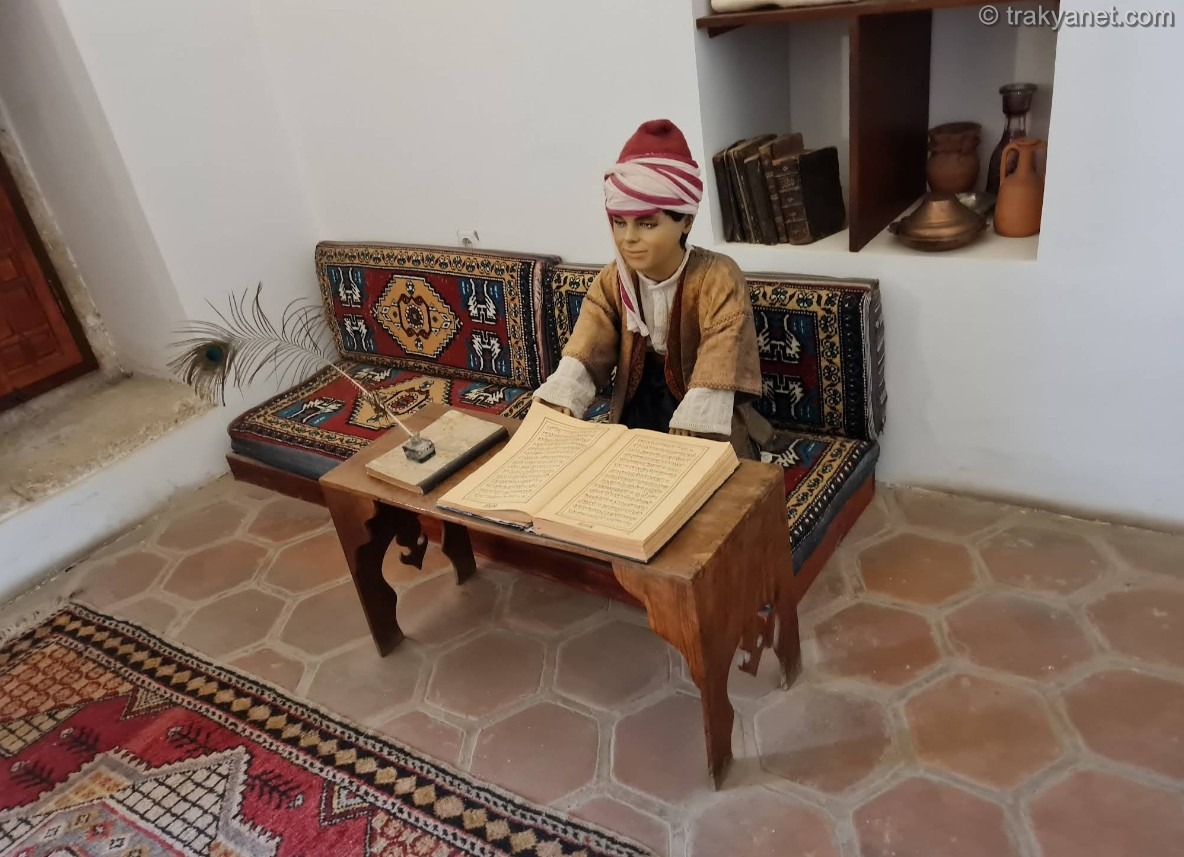
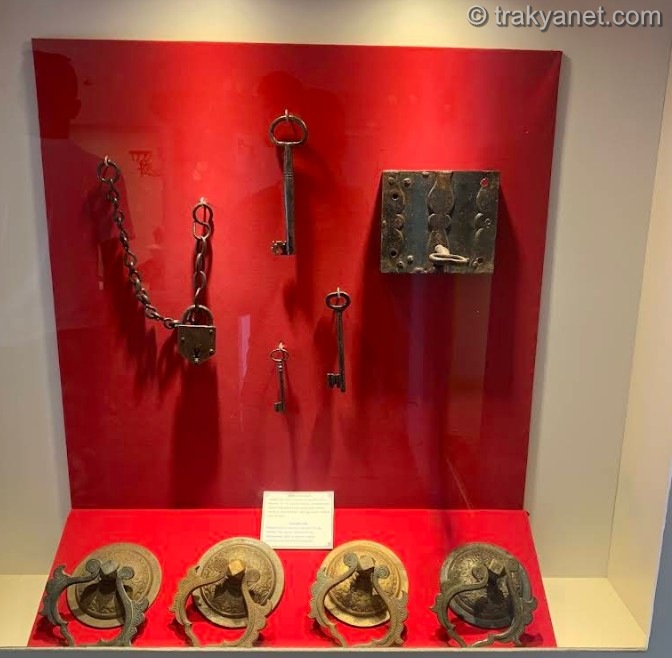
These historically significant "teberrukat" items are now displayed in small rooms that were formerly used by madrasah teachers and students. These rooms are classified as metalwork, calligraphy, woodwork, tile art, and clocks. The works are displayed in these rooms according to their materials of origin. The metalwork section displays various metal artifacts such as candlesticks, finials, rosewater sprinklers, braziers, and door knockers; the tilework section features examples of the colorful glaze tiles from the Sah Melek Pasa Mosque and the underglaze tiles from the Selimiye and Muradiye Mosques; the clocks section displays antique clocks that have survived intact to the present day, and astrolabes used for determining time as well as the positions of celestial bodies; the woodwork section displays lecterns for lessons and Quranic recitation, prayer beads, wooden ornaments, turban stands, Quranic preservation boxes, and handwritten Qurans; and the calligraphy section exhibits examples of calligraphy, decrees, hilyes (calligraphic depictions of the Prophet Muhammad), and calligraphy certificates. In the madrasa's classroom, a narrative created using mannequins recreates the educational scene in a manner appropriate to the period.
In the open-air arcade in the center of the madrasa, surrounding the courtyard on all four sides, Mimar Sinan, a genius in the history of world architecture, is depicted with the help of large informational panels. In addition, temporary exhibitions and various artistic activities are presented to museum visitors through the exhibition system created in the portico. Within this framework, in 2008, with the contributions of the Cekul Foundation, the "Respect to Sinan Photo Exhibition" was presented to the public in the shadow of the Selimiye Mosque, considered Sinan's most exquisite work in mosque architecture, by the Edirne Regional Directorate of Foundations. Also in 2009, the "Foundation Restorations Exhibition," showcasing photographs of foundation works restored in Edirne and Kirklareli between 2003 and 2009, both before and after restoration, was opened by the General Directorate of Foundations and remained open to visitors for an extended period at the museum.
The Selimiye Foundation Museum operates as a private museum under the General Directorate of Foundations.