
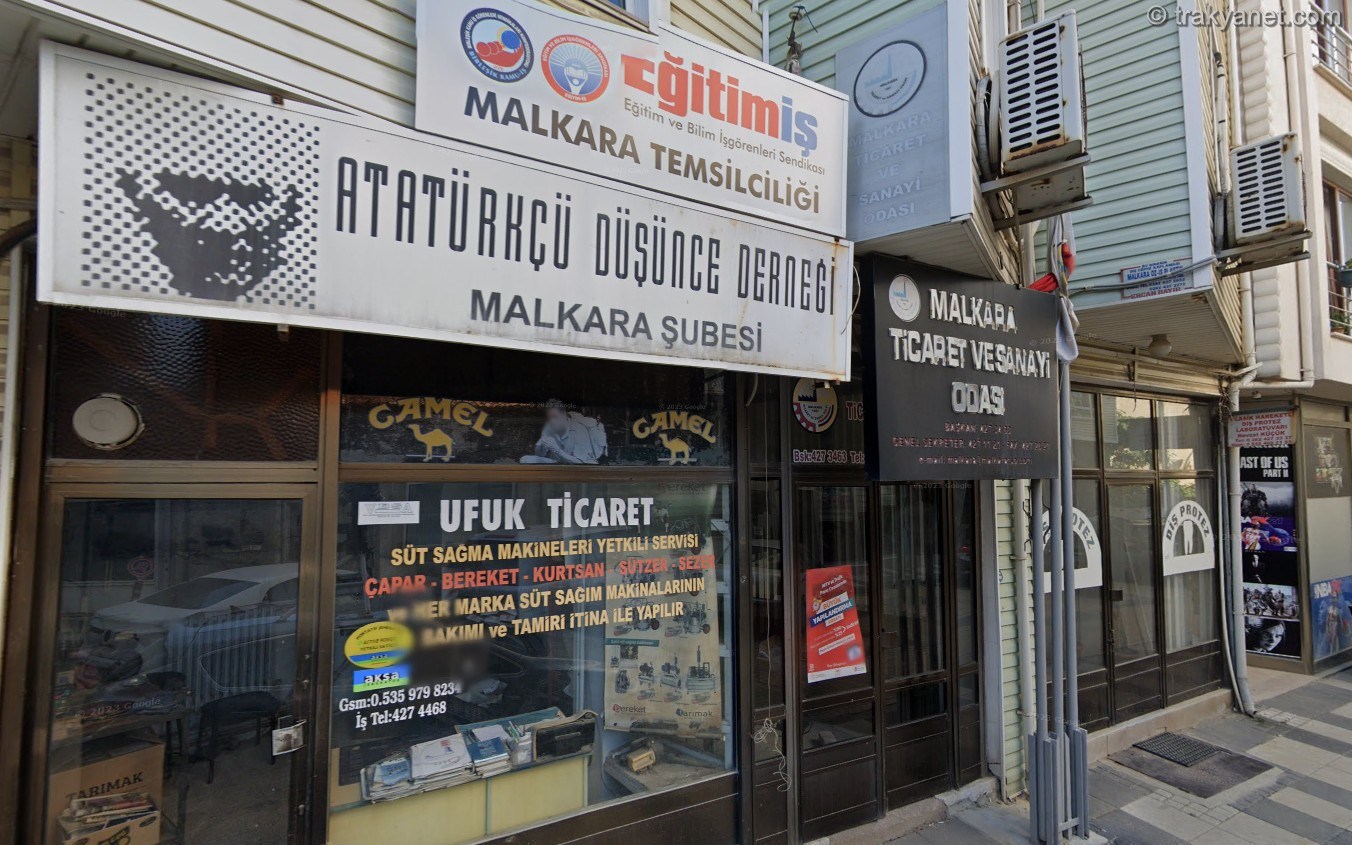
With its historical past, vast geographical area, fertile lands, favorable climate conditions, and growing population, Malkara District is a dynamic district with a cultured human potential that is extremely promising for the future. It is an important district that sets an example in its development and progress, both in its region and in our country.
Industry Before the Republic
Malkara district has shown remarkable characteristics in terms of industry throughout its history. Of course, like regions in every part of the country, it is known as a typical agricultural and livestock district. However, the district has reached significant levels, especially in the field of handicrafts, to meet the needs of the people in its region. It is understood from the examination of archival records that in the 15th and 16th centuries, handicrafts developed and people produced the tools and equipment needed in their daily lives in the best possible way. Professions such as shoemaking, carpentry, blacksmithing, joinery, tailoring, etc., which were valid professions for those times, as well as leatherworking (tanneries) and weaving workshops, were quite famous. We see that there was a very important activity and production, especially in the field of tanneries, in Evliya Celebi's travelogue.
In his travelogue, the great traveler clearly stated that there were very important tanneries in Malkara and Balli villages, that very good leather was tanned there, that dog excrement was used in the tanning process, and that therefore, children, in particular, would run around early in the morning with containers tied to the ends of sticks, chasing after the dogs, collecting their excrement, and selling it to the tanneries. In fact, we learn from Evliya Celebi's travelogue that the saying "What's the hurry, are you rushing to get dog excrement to the tannery?", still used among the people today, originated from the hustle and bustle of those people collecting dog excrement for the tanneries. Records from the 16th century indicate that Malkara also had a brewery, a candle factory, and a tile kiln.
Furthermore, in Evliya Celebi's travelogue, the most famous product of Malkara's industry is the weapon used by travelers. This weapon was made by master craftsmen from woods such as dogwood, boxwood, and ebony, and was sent as a gift to other cities. This weapon is known as the Malkara Mecigi.
A General Overview of Today's Industry
85% of the population in the district is engaged in agriculture and animal husbandry. The industry consists of dairy products, agricultural products and tools, and sunflowers. and is following a development course in grain and agricultural areas.
At the same time, the district has rich coal deposits in terms of natural resources (lignite).
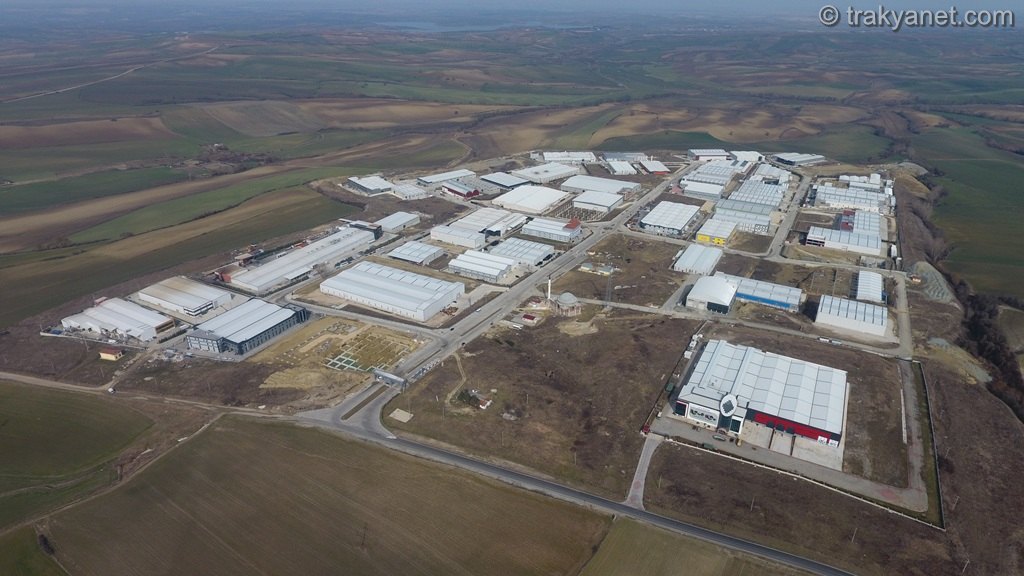
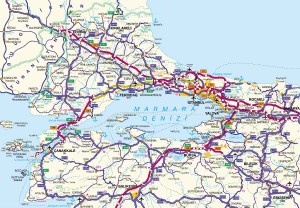
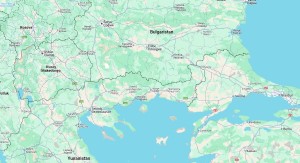
Malkara Mixed Organized Industrial Zone offers a unique opportunity to investors and entrepreneurs with its location in the middle of Thrace and its proximity to Istanbul and border crossings.