
The Turks, who crossed into Rumelia during the reign of Ottoman Sultan Orhan Bey, began to advance in Rumelia during the reign of Murad I (Murat Hudavendigar). The new sultan's aim was to capture Edirne. However, before that, he seized Corlu and Luleburgaz to counter a potential threat from Byzantium.
Before Corlu was captured, a message was sent to the Byzantine commander demanding the surrender of the fortress. It was stated that the commander would be punished if bloodshed occurred. However, the Byzantine commander refused. The fortress was besieged. Those inside had completed their preparations for defense. While the battle raged with full force, the fortress commander, Yankobin, was wounded in the eye. At this time, an infectious disease broke out in the Ottoman army. Both the war and the disease caused significant damage to the Ottoman army. The fortress could not withstand the attacks and surrendered. The fortress commander, responsible for the deaths of many people, was captured and then executed.
The Ottomans settled Turkish immigrants from Anatolia in every region they brought under their rule. With a very well-thought-out settlement policy, the region was Turkified, thus ensuring its retention and defense. After Corlu was conquered, Yoruks and Tatars from Anatolia were brought and settled there. Thus, the city was Turkified. However, when Murad I was martyred during the Battle of Kosovo, the Byzantines, taking advantage of the opportunity, brought soldiers back to the city and repaired the fortress. Thus, they recaptured the fortress. As soon as Bayezid I became Sultan, he seized the fortress again.
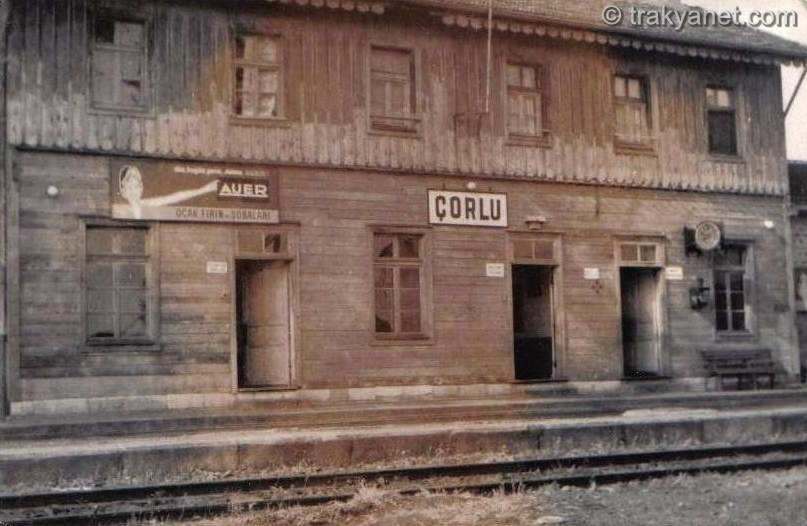
According to one account, because the capture of Corlu was very difficult and costly, the word "Cor" in the vernacular of Anatolia means bad, difficult, or evil, hence it was called "Cor yer" (meaning "bad place"), and then it became Corlu.