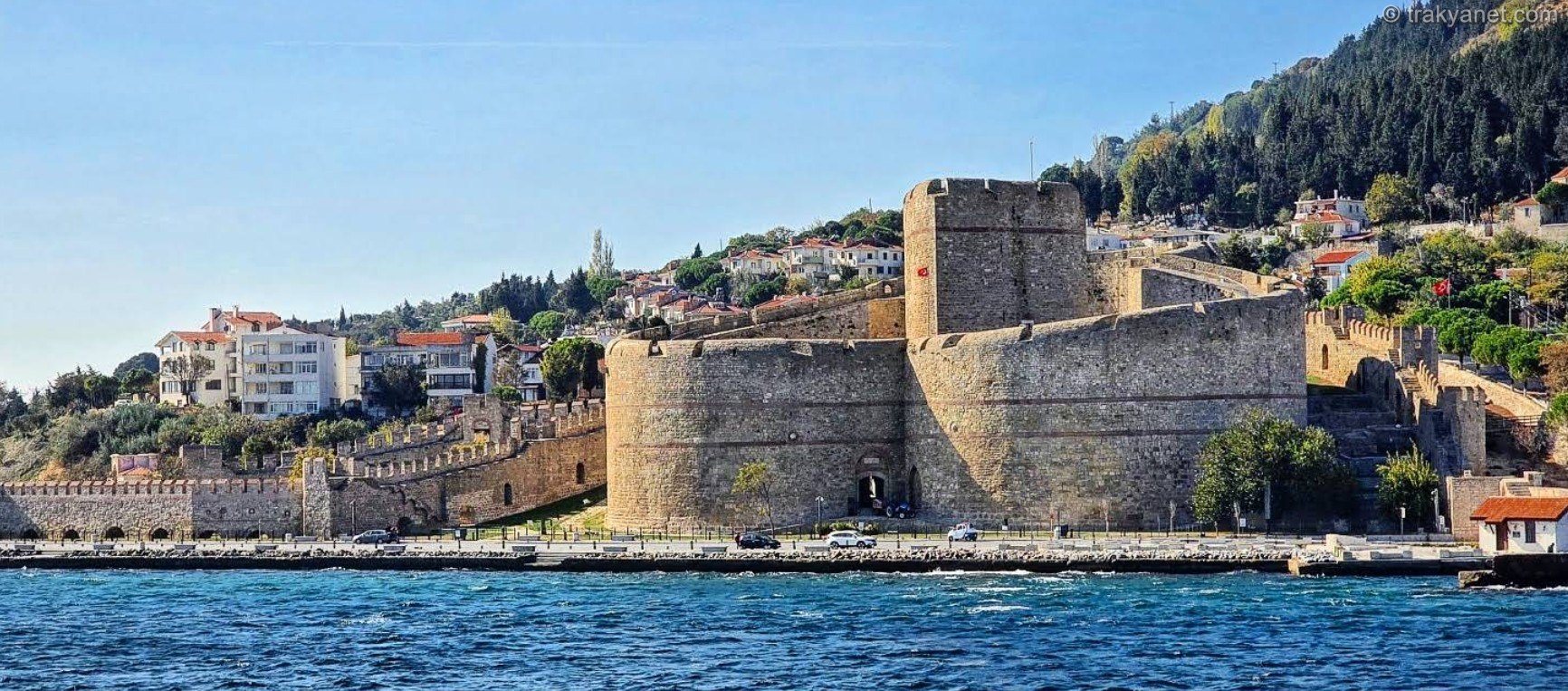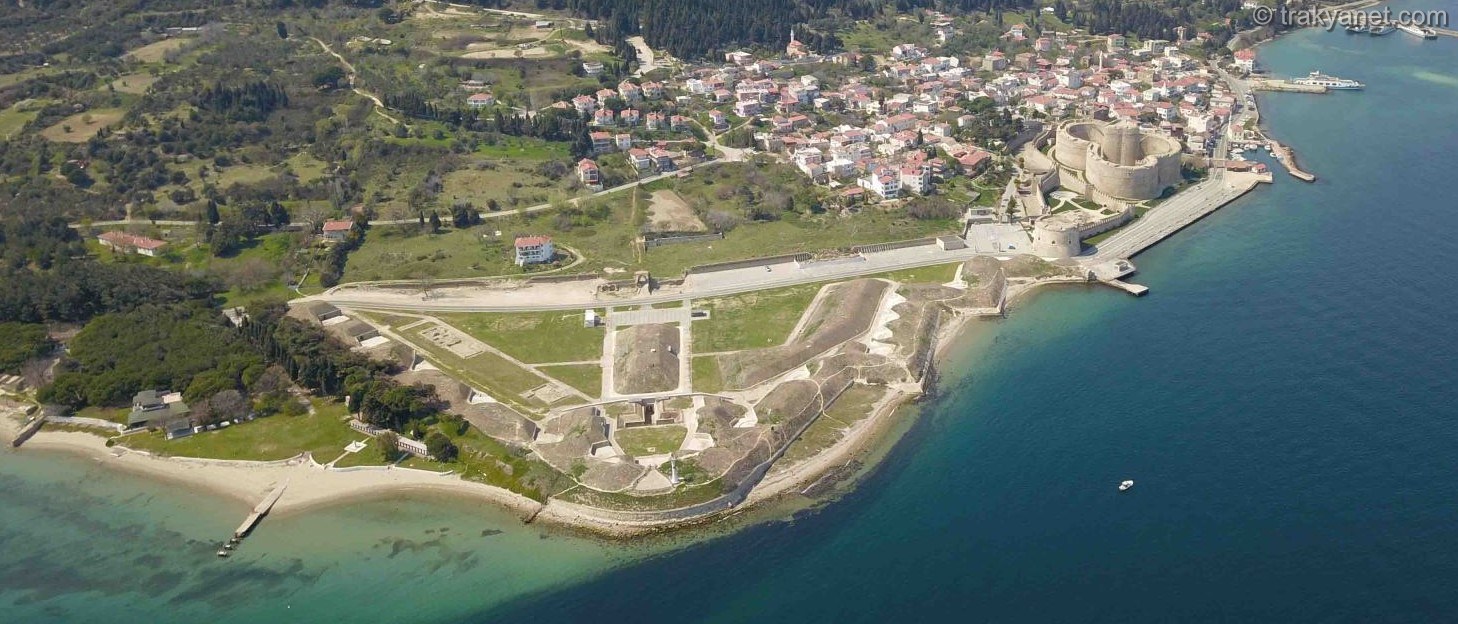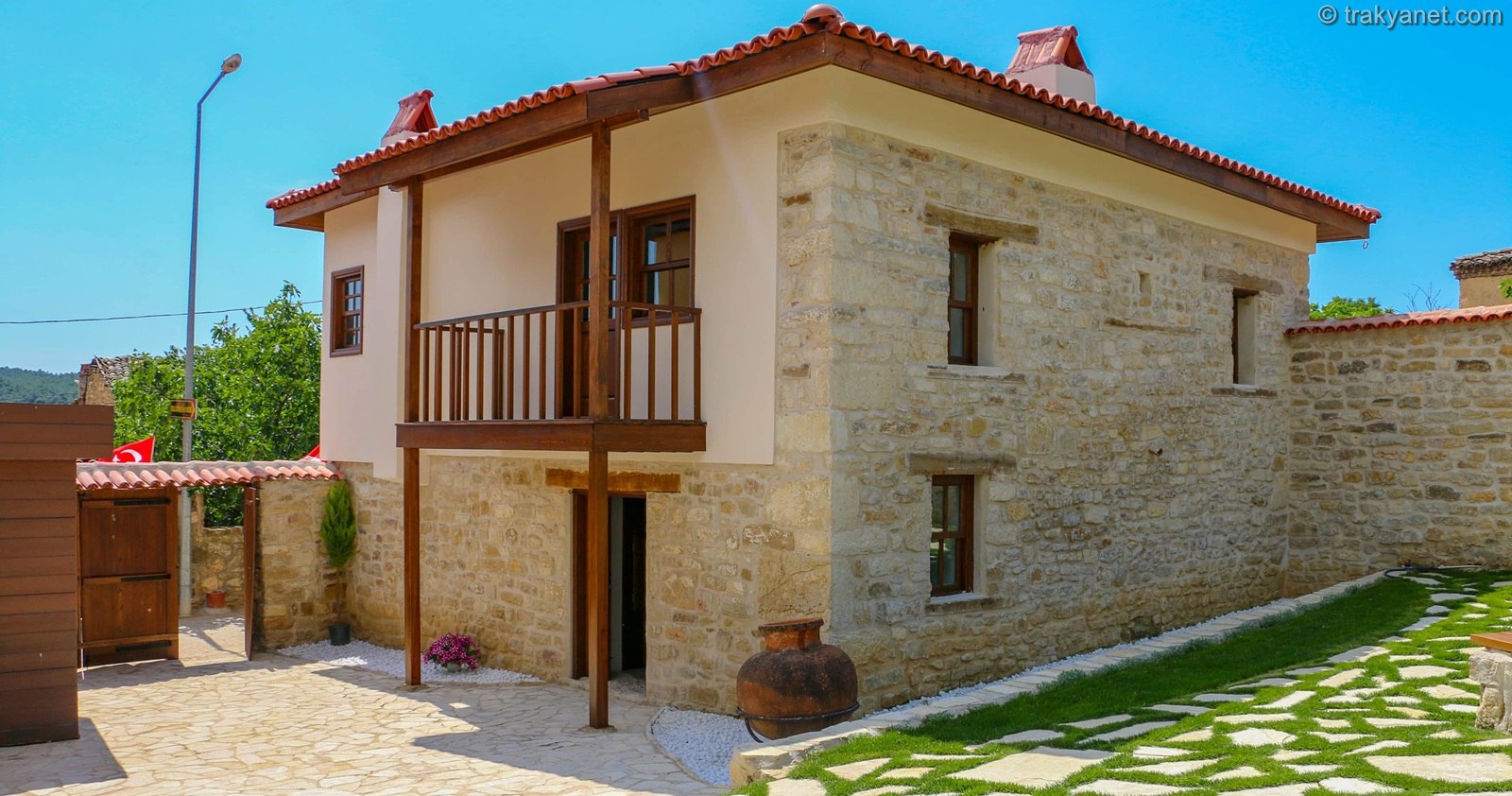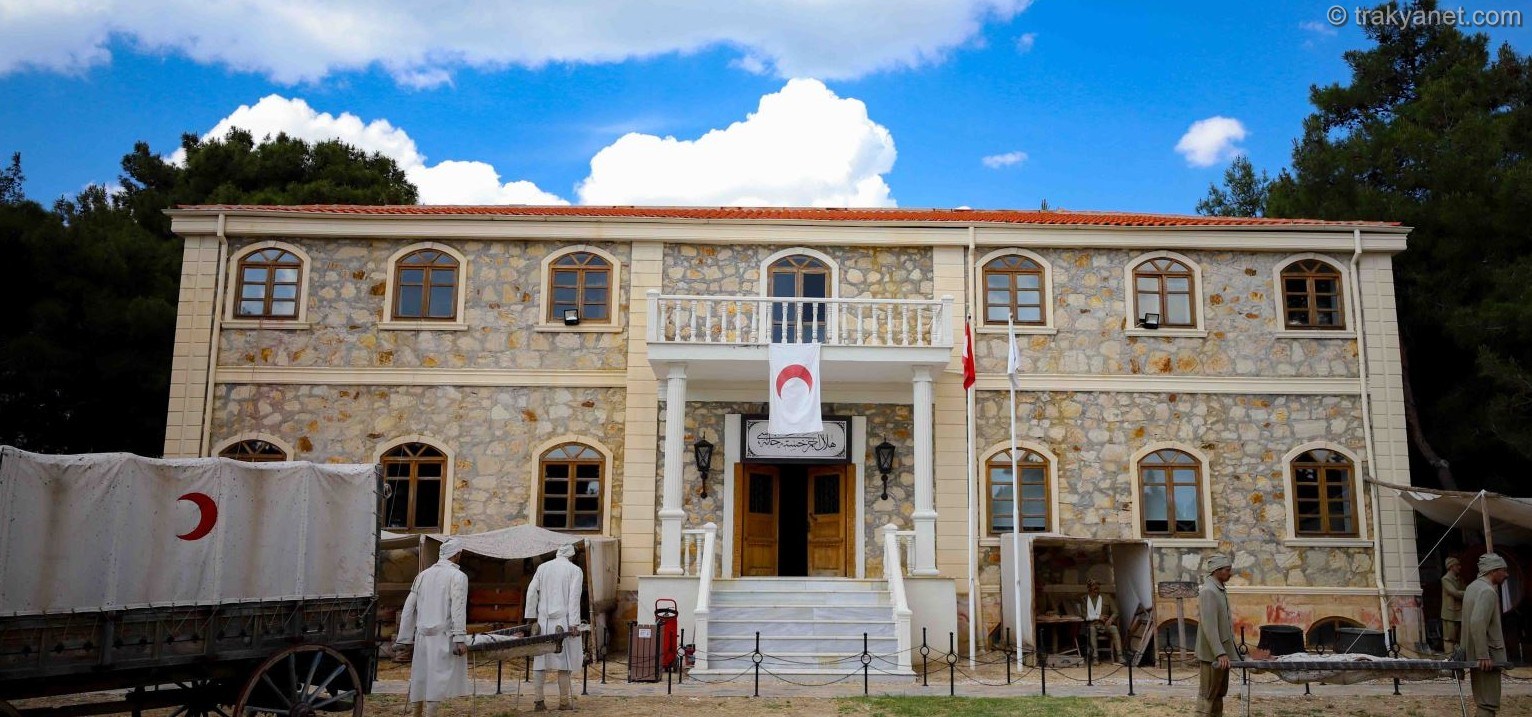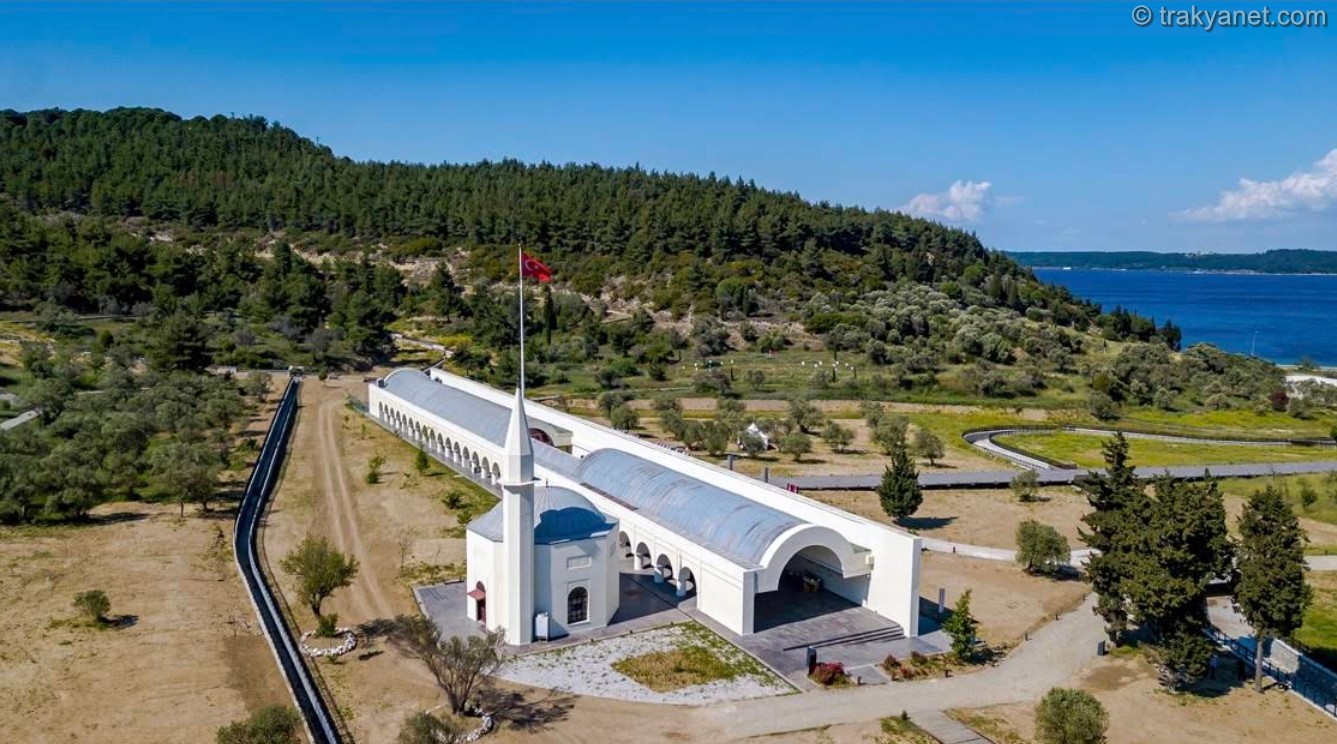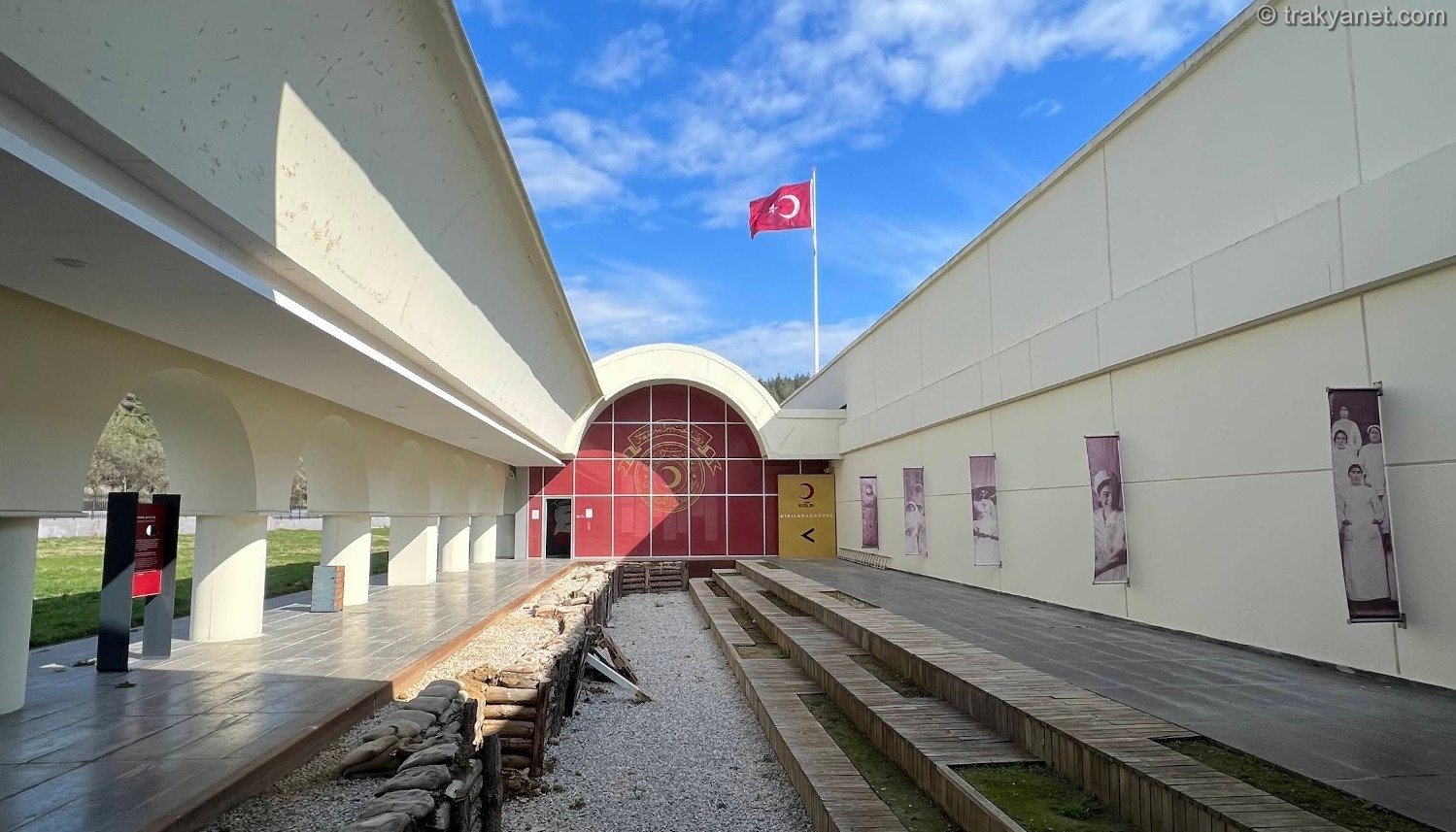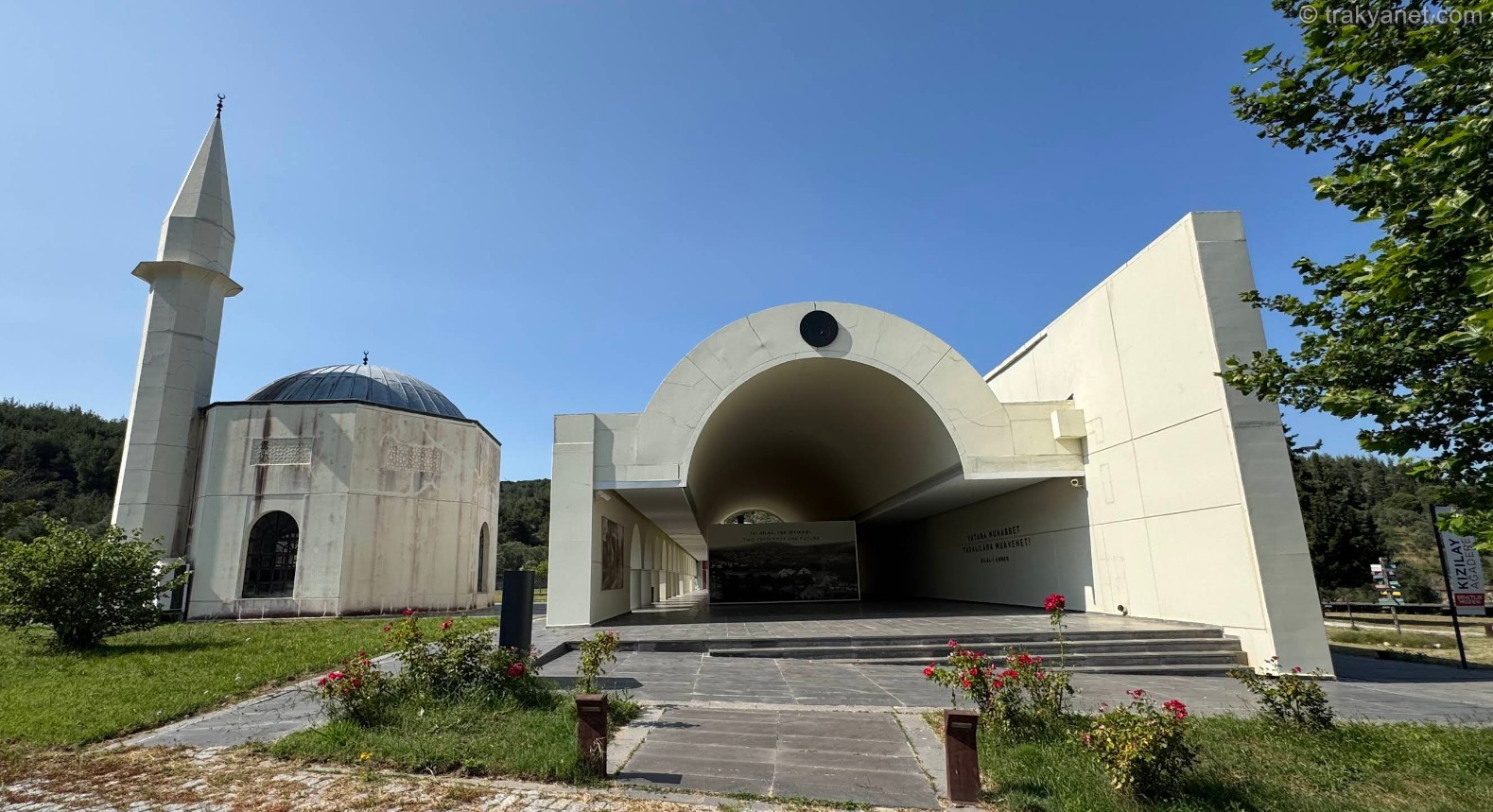

The Agadere Wounded Soldiers' Hospital area, located on the historic Gallipoli Peninsula, is now being re-designed as a museum by the Turkish Red Crescent, allowing visitors to learn about the conditions behind the front lines of the war.
In Canakkale, which witnessed some of the world's most important land and sea battles, historical memories are kept alive through martyrdom sites, monuments, and museums.
The area where the Agadere Wounded Soldiers' Hospital, one of the most important places providing health services to the Turkish army behind the front lines during the Canakkale Battles, was located, was transformed into a museum through a project prepared by the Canakkale Battles and Gallipoli Historical Area Directorate and the Turkish Red Crescent.
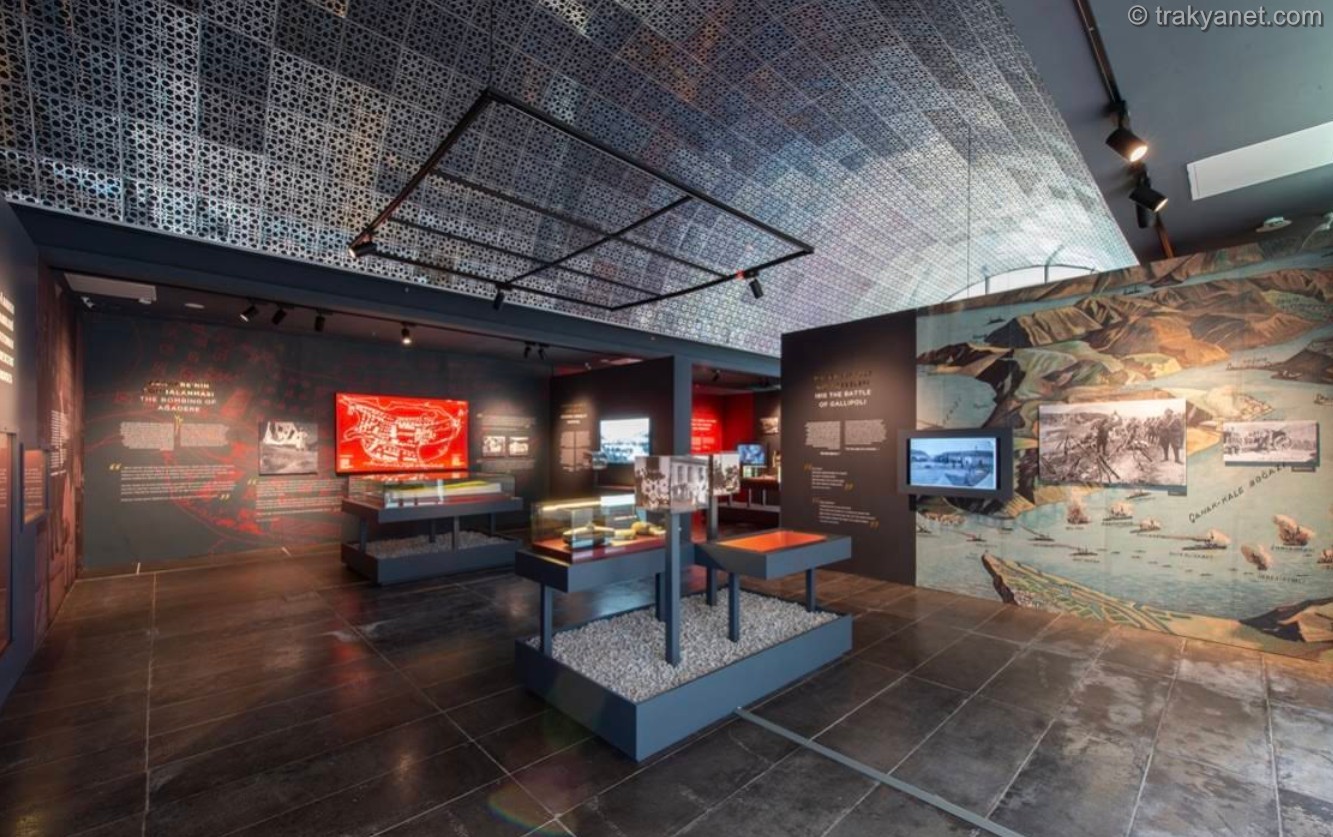
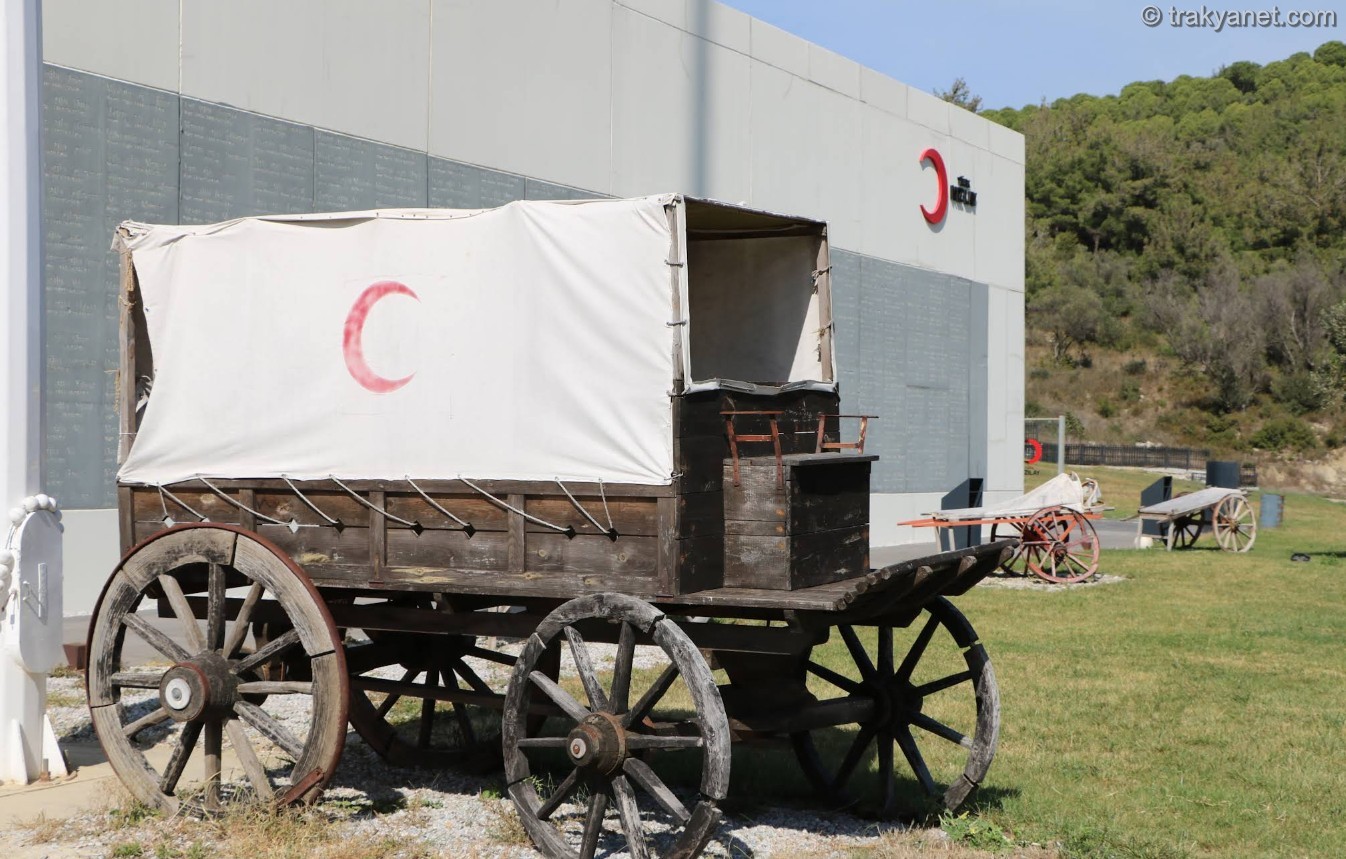
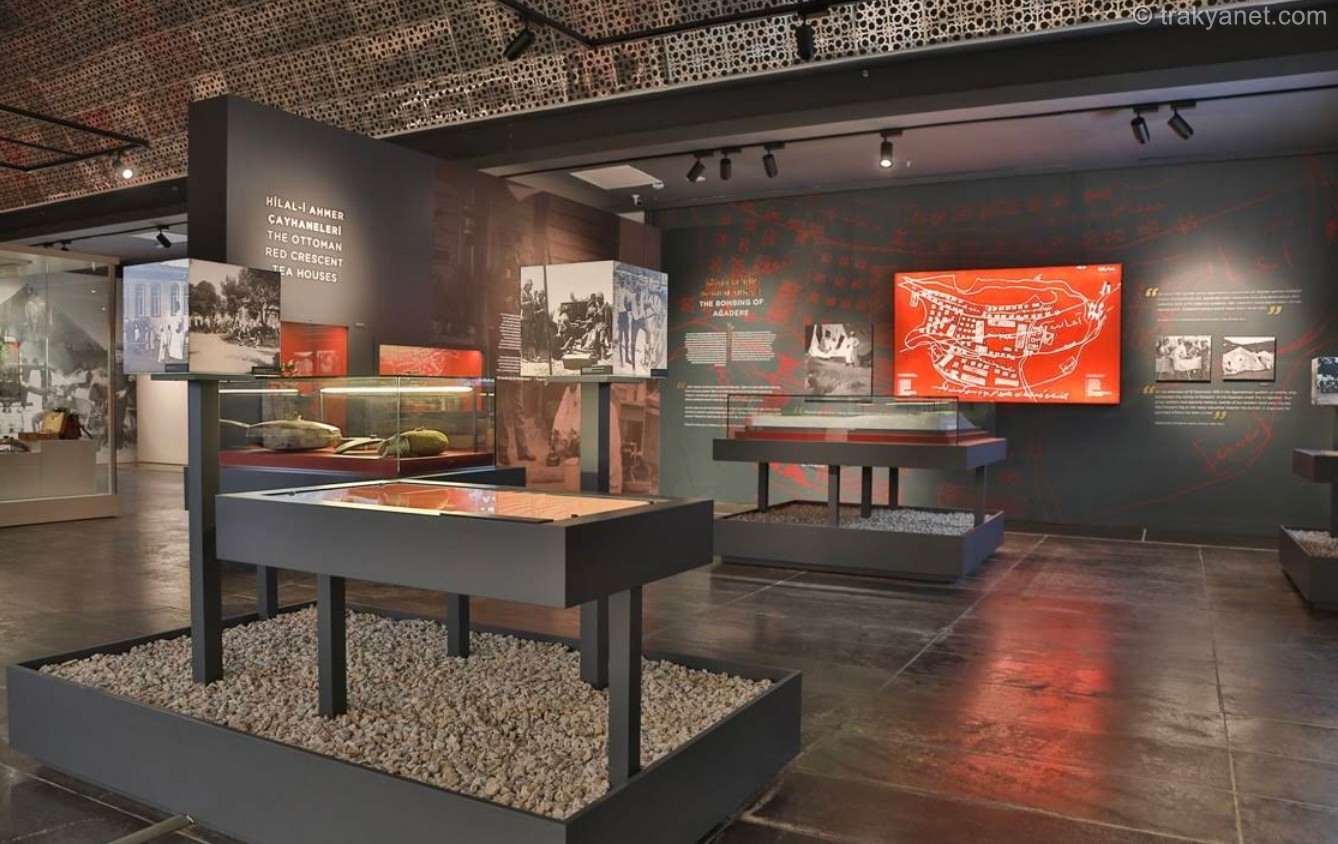
The museum presents hundreds of war relics to its visitors in a 600 square meter indoor area. Entry to the museum, which houses many important elements including surgical instruments used in the treatment of wounded soldiers during the war, the first true map of the region, and a replica of the Red Crescent's (Turkish Red Crescent) patient transport vehicle, is free.
The area, referred to as "Agadere" in some sources and "Agdere" in others, was the site of the full intensity of the battles in 1915 on the Gallipoli Peninsula, where wounded soldiers arriving from the south and north were gathered and transported. The deep valley housed divisional hospitals, the Red Crescent Hospital and dressing stations, and Red Crescent tea houses.
4. The Divisional Mobile Hospital, the 9th Divisional Mobile Hospital, and the 1st Mobile Hospital of the 3rd Corps were also deployed in the Agadere region.
Following the bombing of Eceabat (formerly Maydos) by enemy forces, the hospital it housed was also moved to the Agadere region.
In Agadere, where four large hospitals were located, efforts were made to provide medical care to thousands of soldiers arriving from the front. A total of 150,868 soldiers were transported from the Agadere and Akbas hospitals, including 99,275 wounded, 33,794 sick, and 17,799 on convalescence leave.
Due to the enemy navy and aerial bombardments by British aircraft, the battles were very bloody, and the hospitals began to treat more wounded than their capacity allowed. In addition to the existing hospitals of the 5th Army, Red Crescent Hospitals also served. The museum provides information about the hospital and the Turkish Red Crescent, and displays memorabilia related to these events.