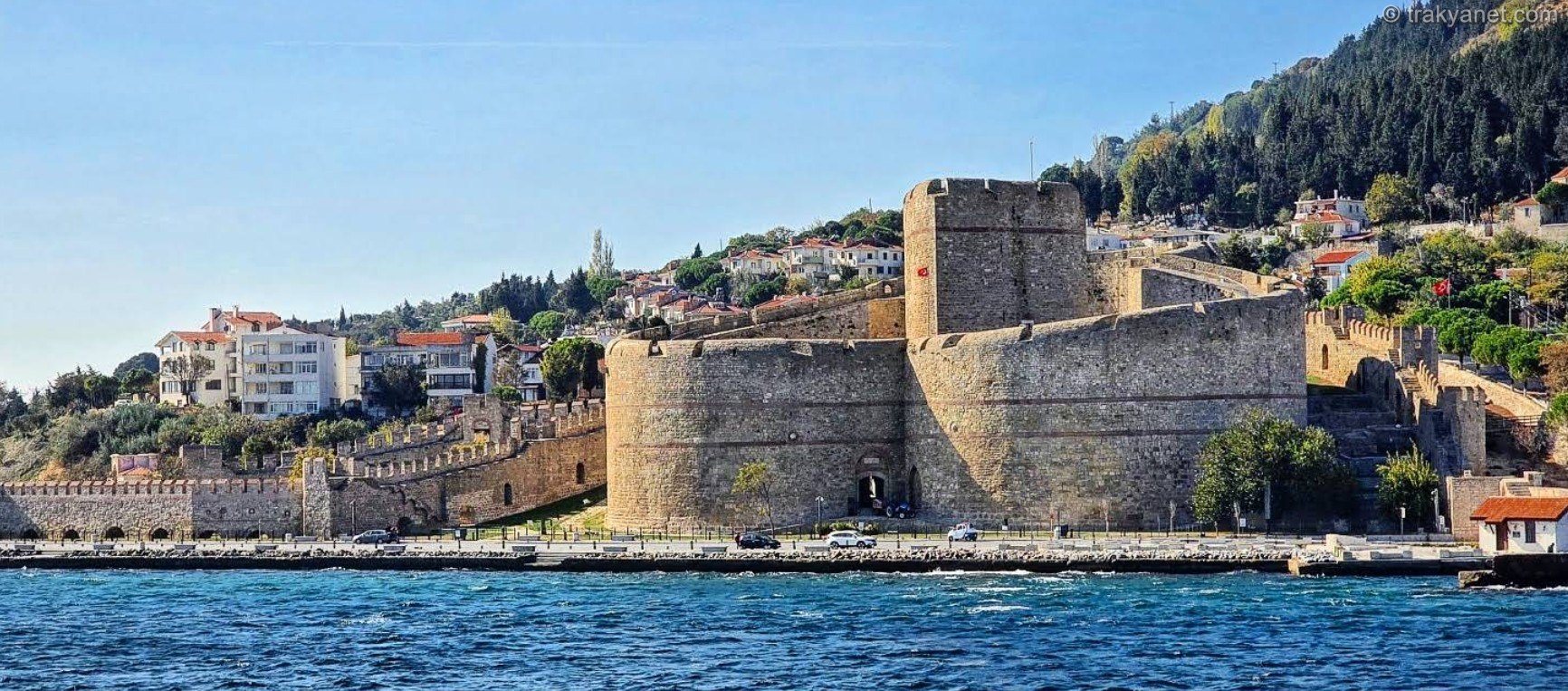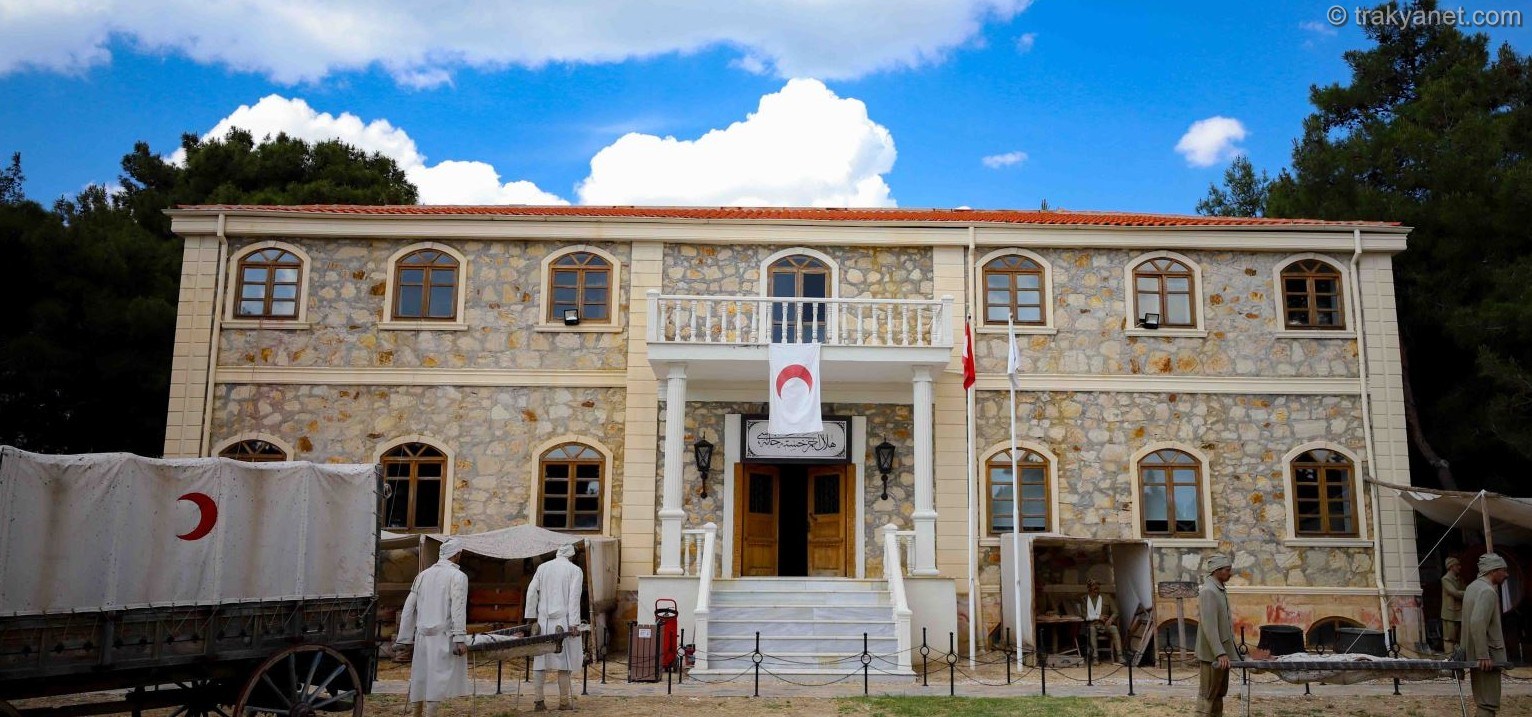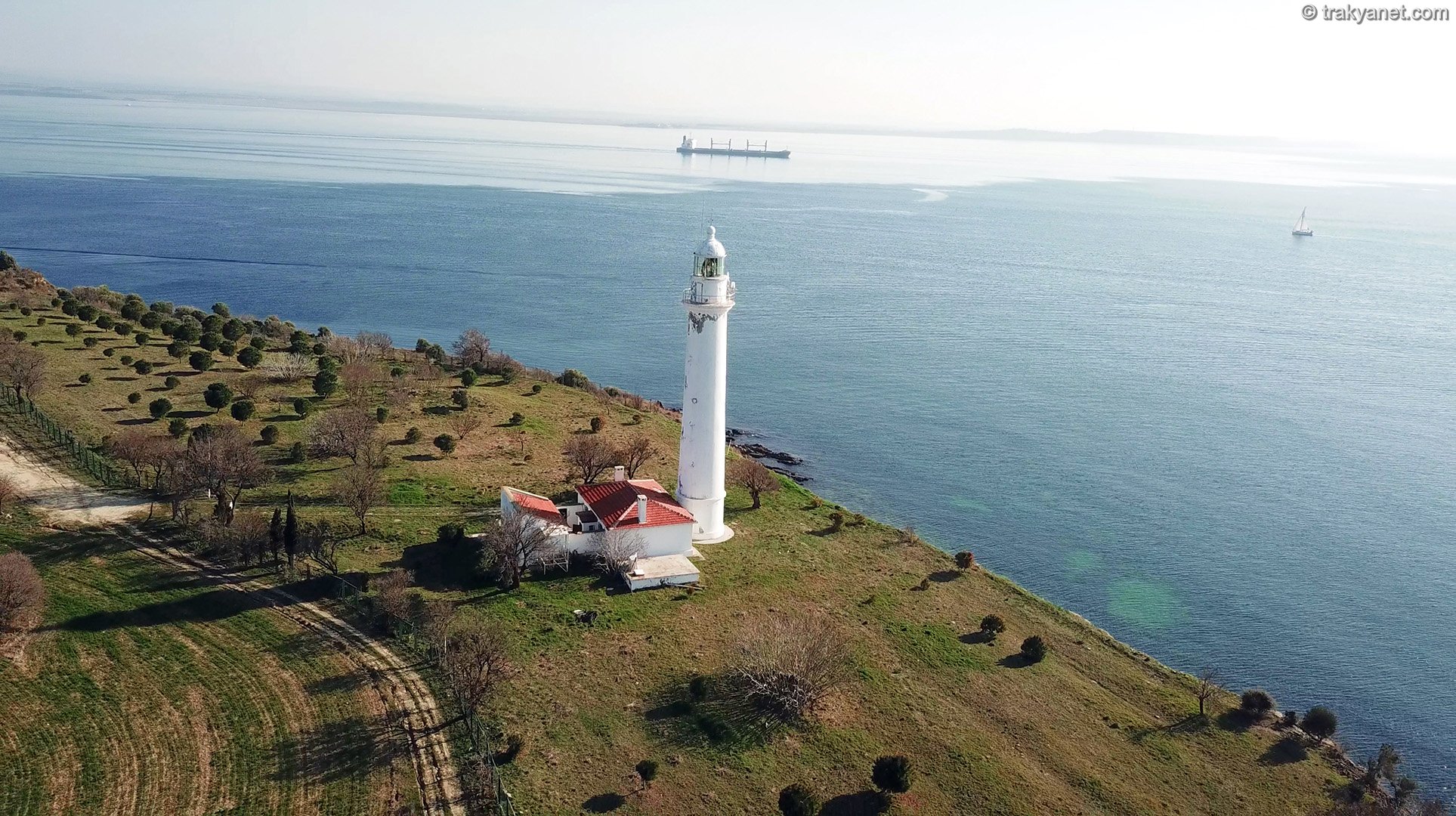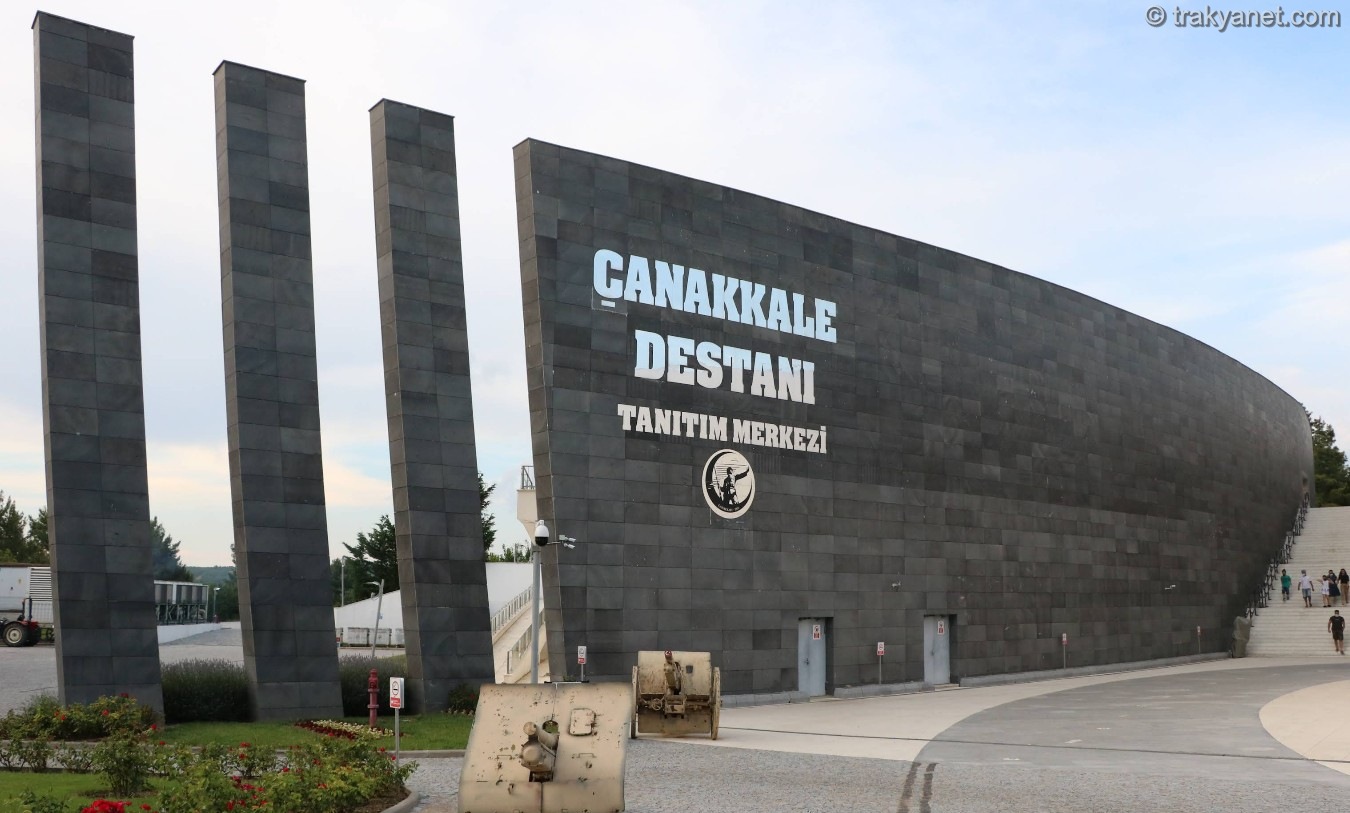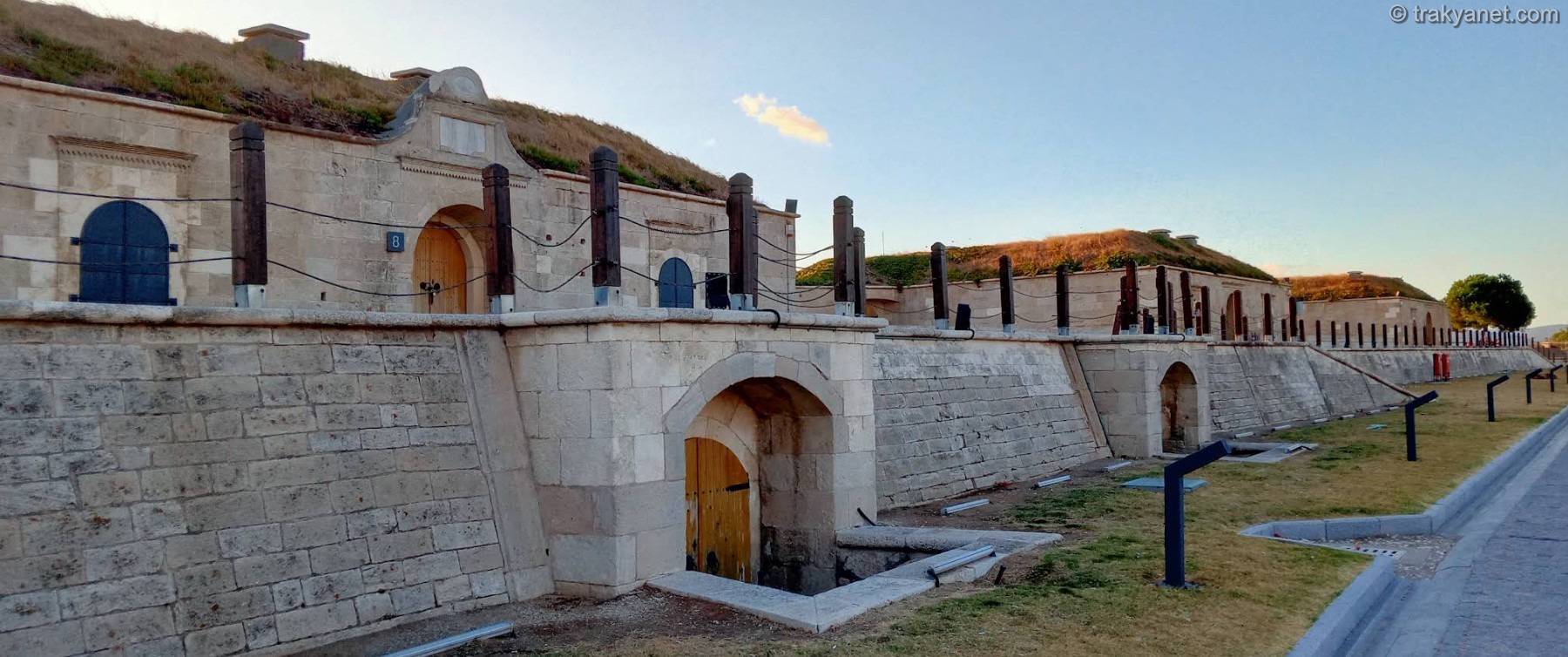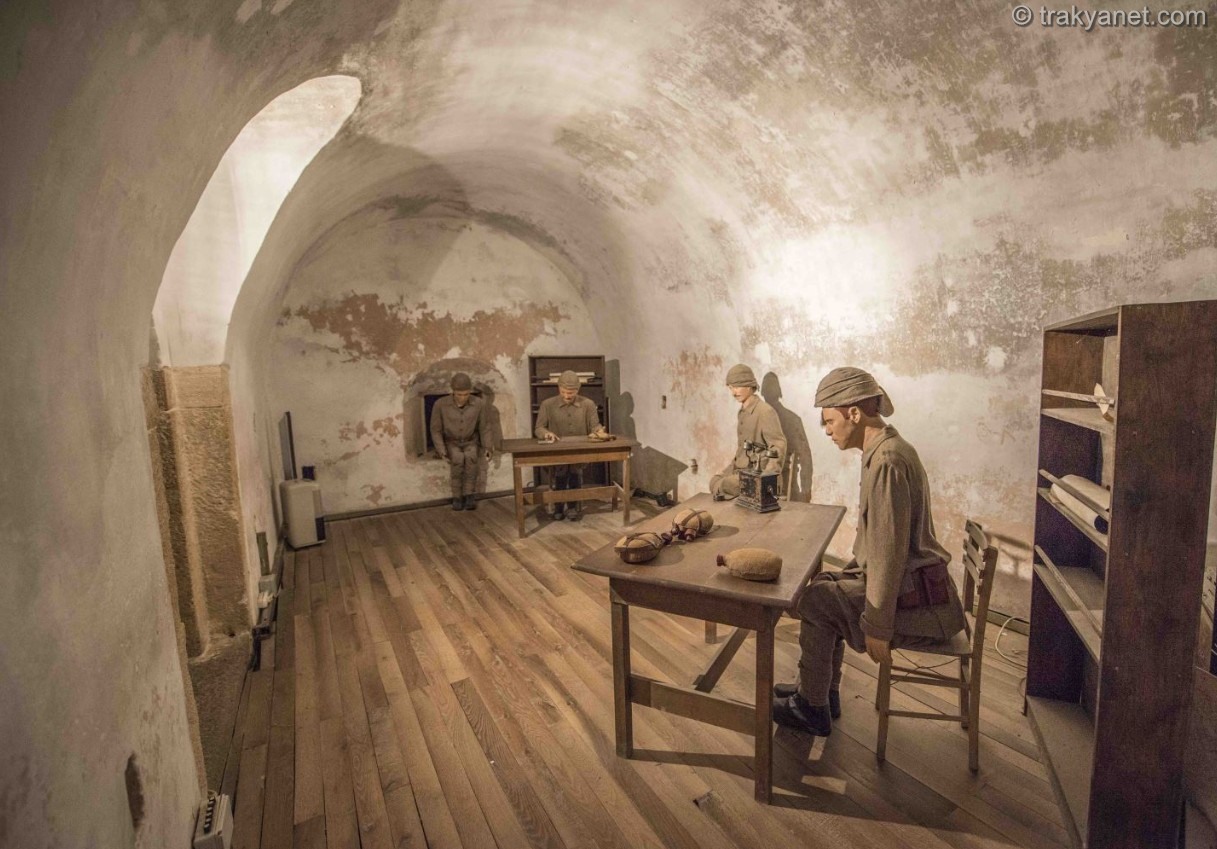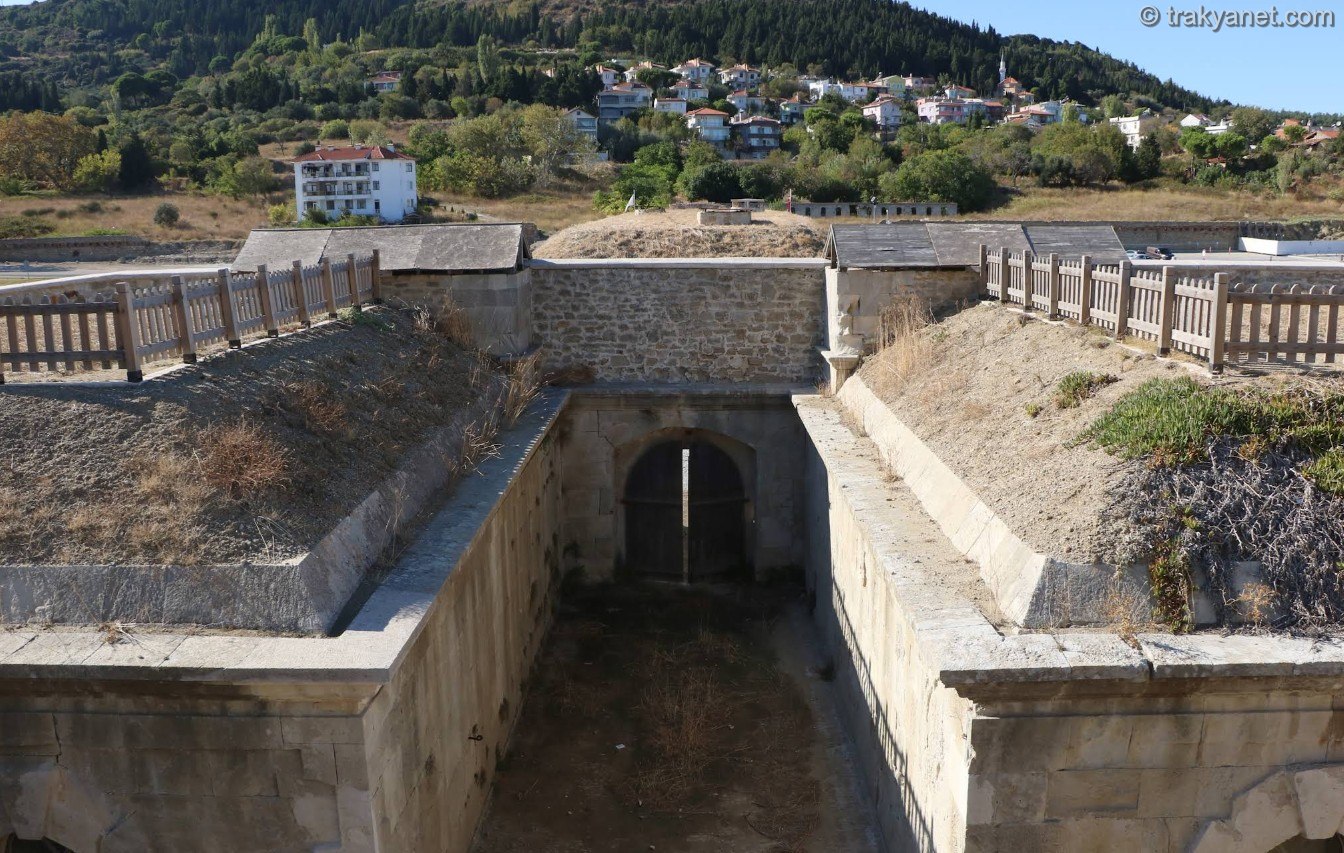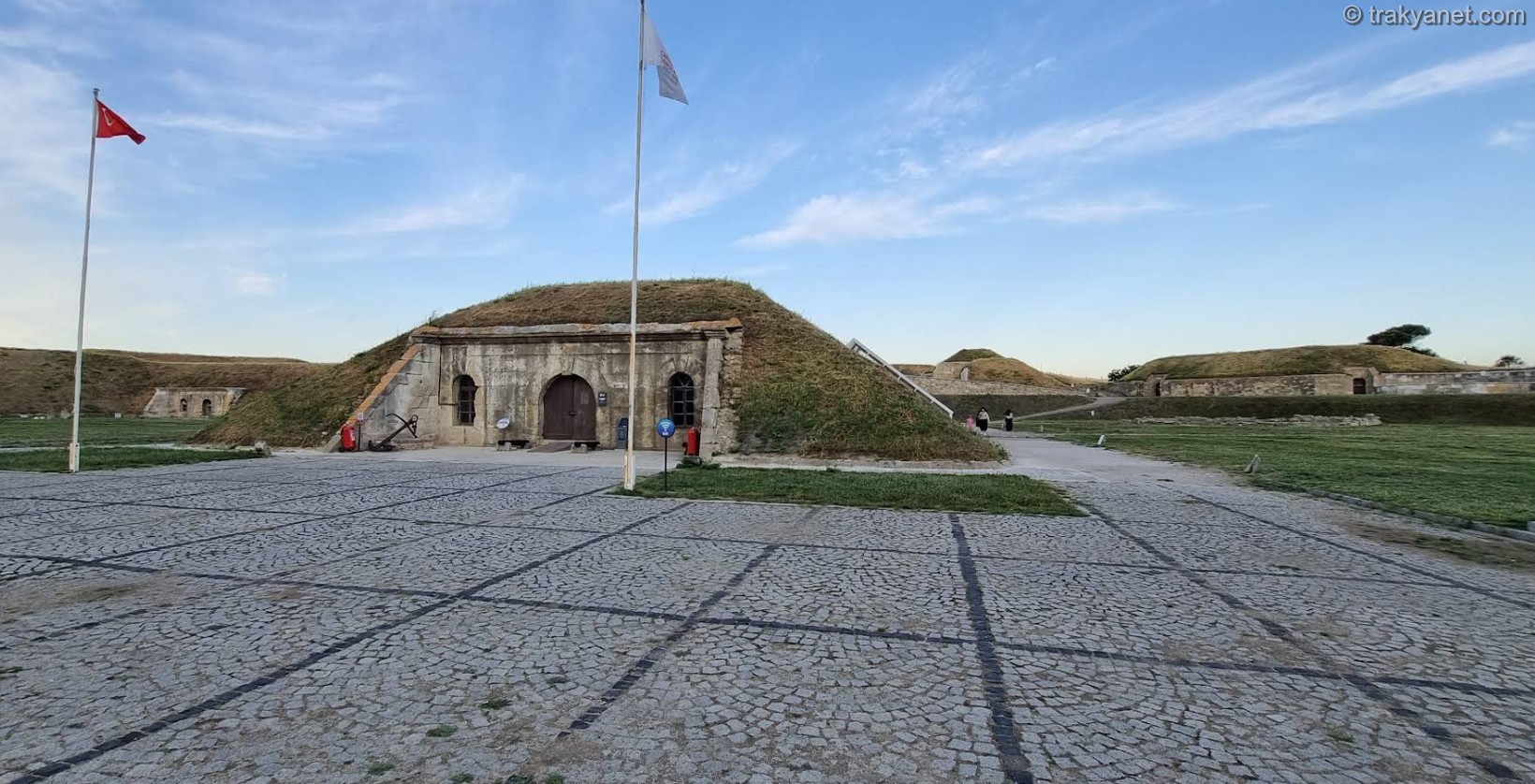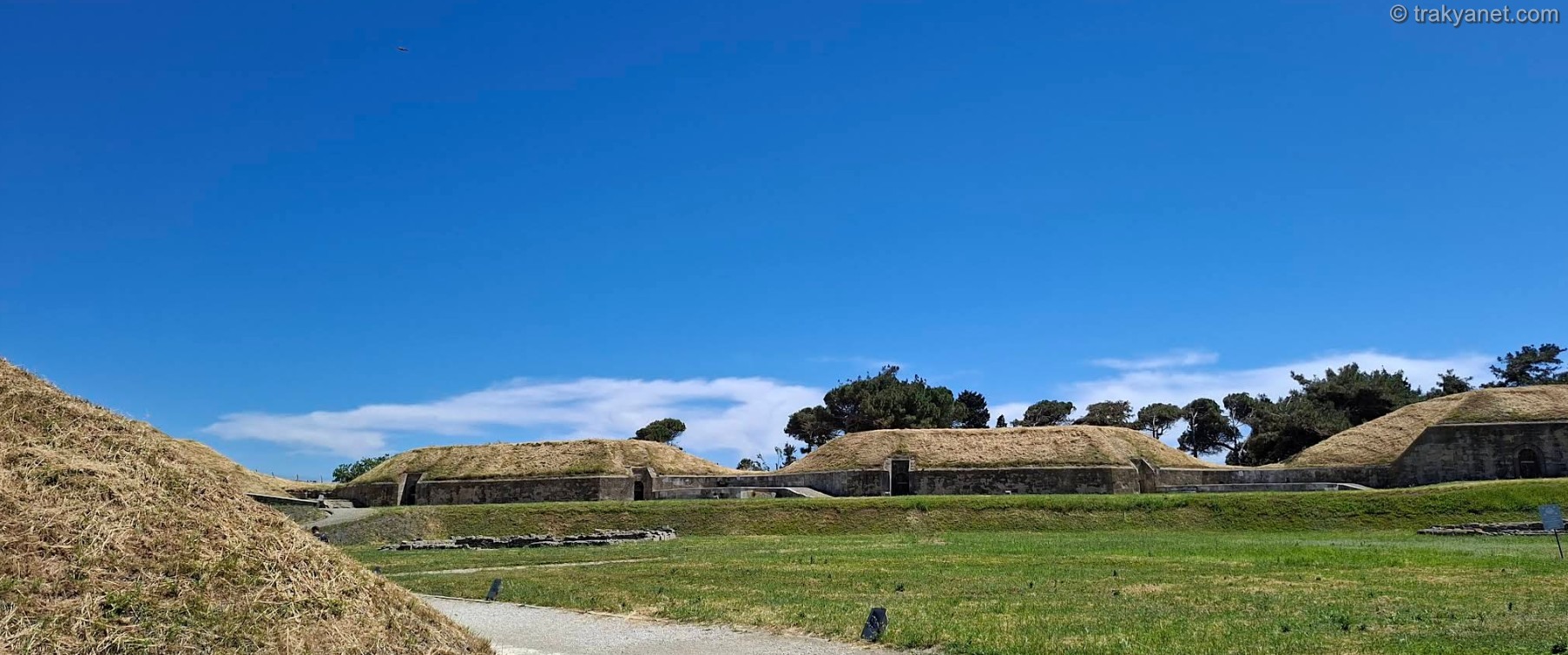



Namazgah Battery is one of the most important defensive structures positioned on either side of the Bosphorus since the time of Sultan Mehmed the Conqueror. Built overlooking the narrowest point of the Bosphorus, it is known that the battery was named after the soldiers who performed their Eid and Friday prayers together in its large courtyard. The structure, which suffered heavy bombardment on March 18, 1915, was restored by the Ministry of Culture and Tourism in 2006. Seeing the traces of the damage caused by cannonballs fired from Allied battleships helps to understand the events of that day. The museum located in the bonnet at the center of the battery details the history of Namazgah Battery, as well as the events before and after the victory won in the Dardanelles on March 18, 1915. War objects and everyday items belonging to soldiers from both sides can be found in the exhibition area.
Namazgah Battery is the first and largest battery built at the narrowest point of the Dardanelles Strait. Located on the sea side of the road after passing Kilitbahir Castle, the construction of the battery, consisting of 26 bonnets, began at the suggestion of Baron De Tott, who came to reform the Ottoman army.
It is thought that the battery was given the name Namazgah (prayer area) because its general form resembles the "Namazgah" structures in Islamic architecture, or because soldiers would perform their prayers collectively here during wartime.
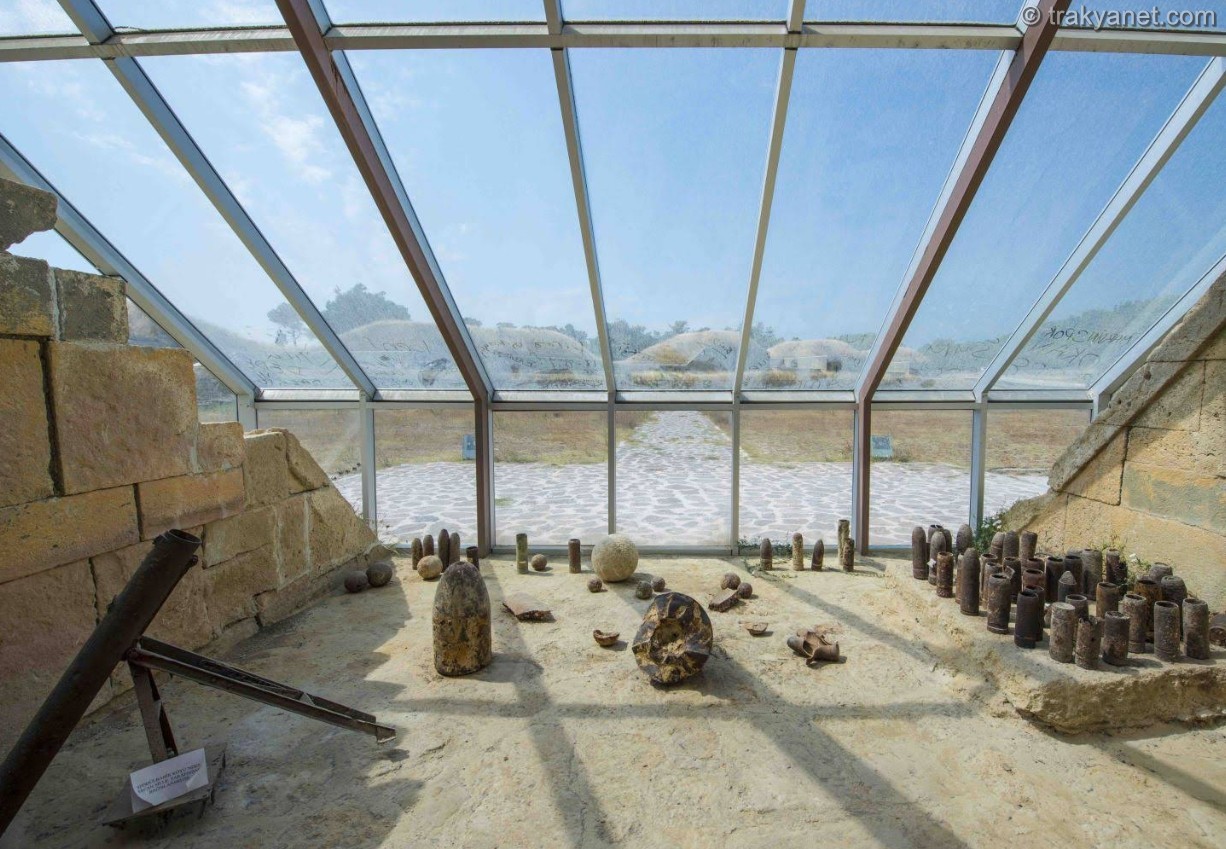
Located in a central position, the battery is now exhibited and arranged as a museum area. A 1/100 scale model of the structure is located at the entrance to Namazgah Battery. In the display cases, visitors can see many war objects, including pieces unearthed during archaeological excavations carried out during restoration, as well as photographs and drawings found in historical archives.
Information panels, also enriched with photographs, cover the events that took place at the Namazgah Battery on and after March 18, 1915.
In the audiovisual section, visitors can watch the documentary "Reflections from the Depths," which focuses on dives to the British and French naval vessels sunk during the Gallipoli Campaign. Thanks to a reenactment that visitors can initiate, a short segment of the communication process between the Namazgah, Hamidiye, and Mecidiye Batteries during the fierce battles in the Dardanelles on March 18 can be experienced. At the exit of the room, there are models of the sunken large battleships lost by the Allied fleet.
The ruined and glass-enclosed area is the section damaged by a shell weighing hundreds of kilograms fired from a warship. Here, one can easily see the extent to which a fairly robust and well-protected structure can be destroyed by ammunition fired from miles away.