
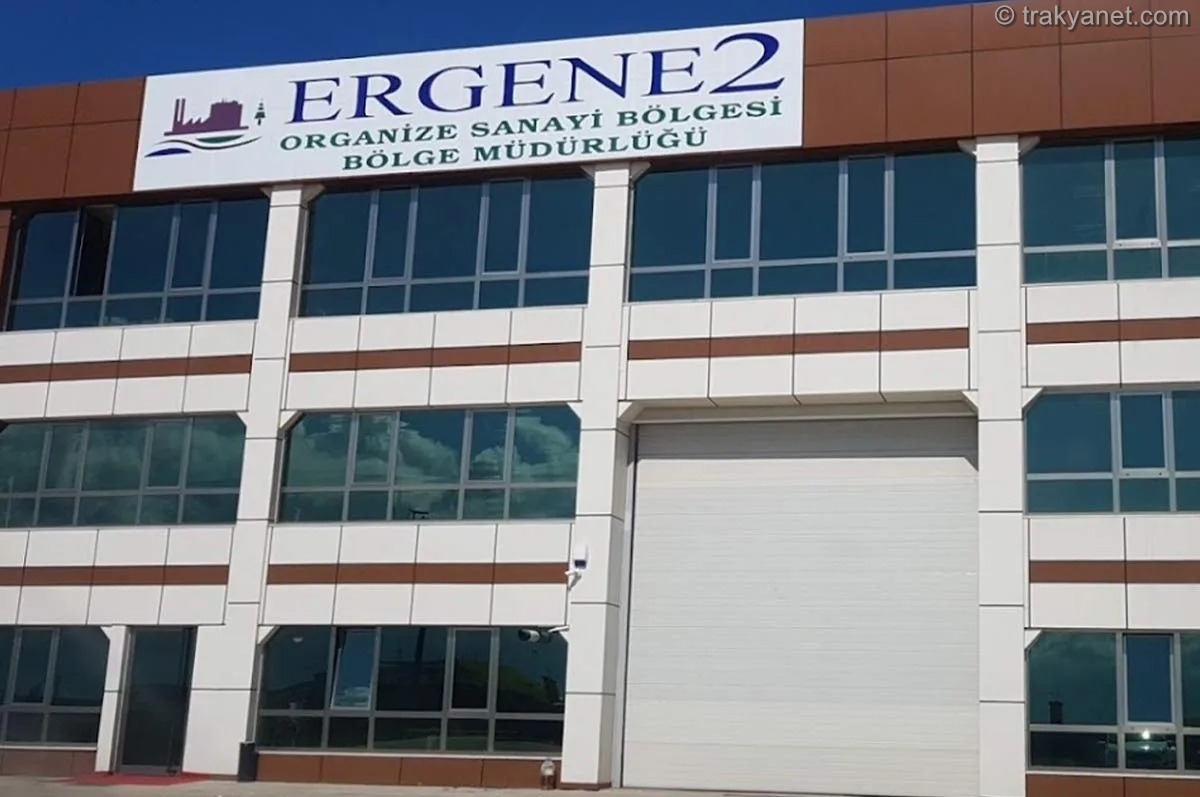
Our Ergene 2 Organized Industrial Zone was established as a Rehabilitation Organized Industrial Zone on July 4, 2012, in accordance with Article 19 of Law No. 6215 dated March 29, 2011, and Article 8 added to Law No. 4562 on Organized Industrial Zones, within the scope of the Ergene Basin Protection Action Plan. Following the implementation of the Rehabilitation Commission's decisions, it gained the status of Ergene 2 Organized Industrial Zone on October 11, 2013.
The Organized Industrial Zone (OSB) Entrepreneurial Committee was formed under the chairmanship of the Governor of Tekirdag, with the participation of the Tekirdag Investment Monitoring and Coordination Presidency (34%), the Ergene Municipality (33%), and the Corlu Chamber of Commerce and Industry (33%).
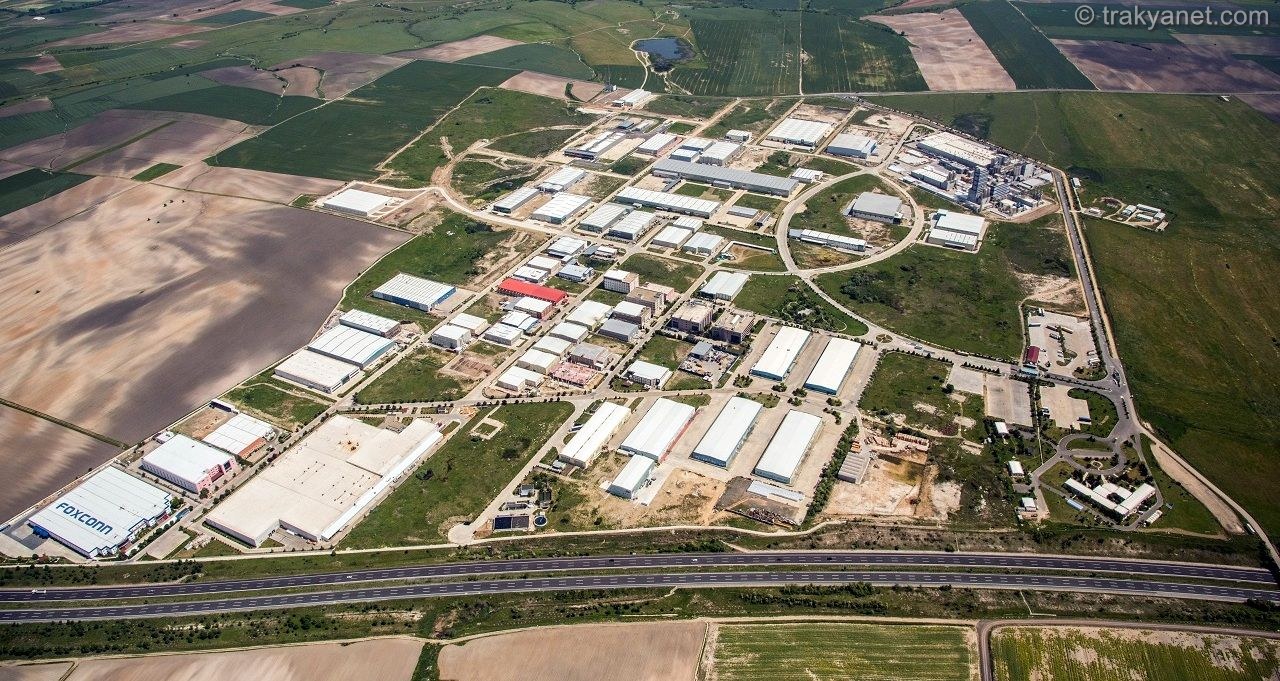
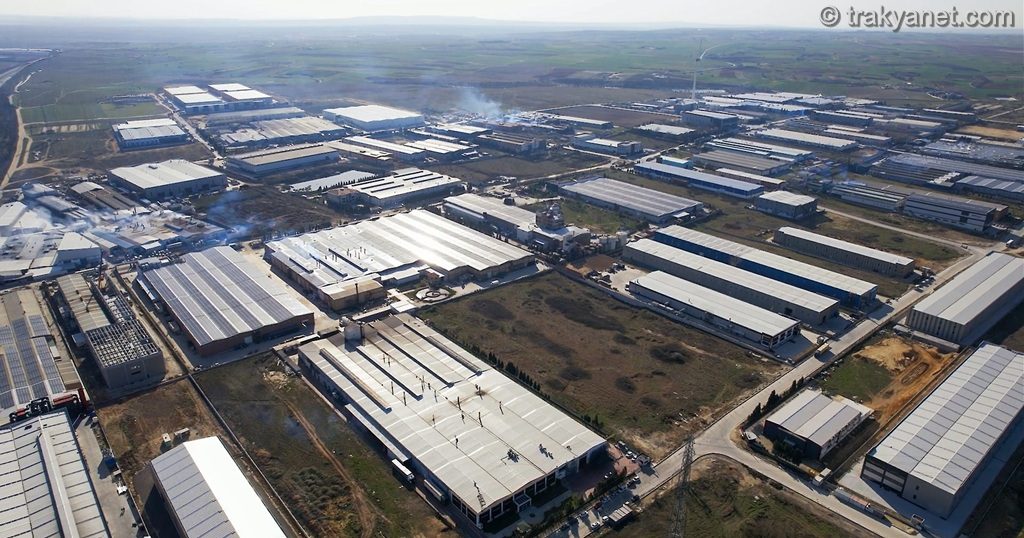
The Organized Industrial Zone is located within the borders of the Ergene district, 64 km from Tekirdag Asyaport Port, 25 km from Corlu Airport, 8 km from the ASB Customs Directorate, and 10 km from the Corlu Railway. It consists of industrial facilities established on a 736.33-hectare area in a strip along the D-100 State Highway. The region is bordered by Tekirdag and the Marmara Sea to the south, Edirne to the northwest, Saray district to the north, and Istanbul province to the east.
There are a total of 266 parcels. Of these, 246 parcels are designated as industrial areas, and 10 parcels are designated as service and support area parcels.
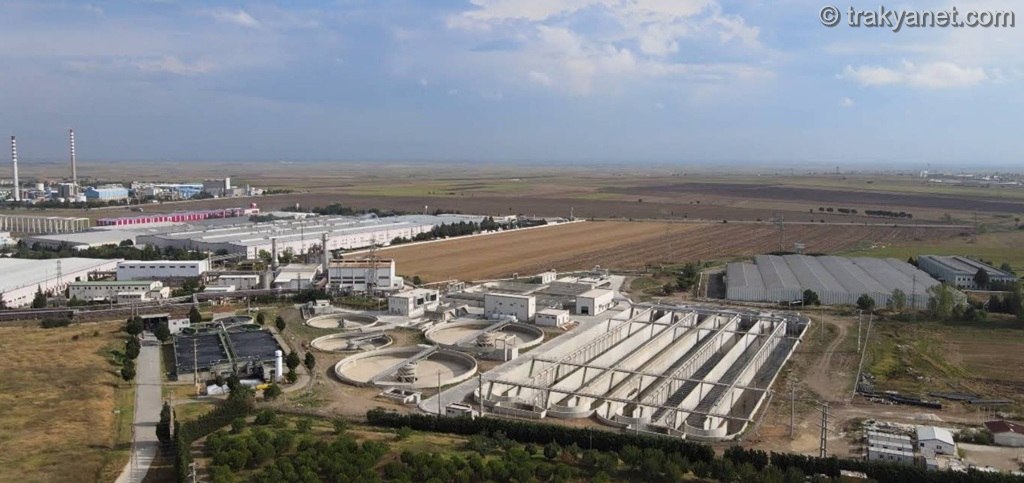
There are 8 OKA and DOP parcels available, including 1 transformer parcel and 1 wastewater treatment plant parcel. Of the industrial parcels with existing structures, 111 have factories in operation, predominantly in the textile sector. The companies operating in the region create approximately 15,250 jobs. The occupancy rate of the parcels in the region is approximately 55.08%.As a result of the studies included in the Ergene Basin Protection Action Plan, the construction of a Wastewater Treatment Plant has begun in the region. The plant consists of physical, biological, and chemical treatment sections for the treatment of wastewater. It has a capacity of 60,000 m3/day, with an additional capacity of 30,000 m3/day. The construction of the Wastewater Treatment Plant has been completed both financially and physically.