
The Silivri Municipality Population Exchange Museum House was built in collaboration with the Istanbul Governorship and Silivri Municipality in Fatih Neighborhood to increase historical awareness of citizens who came to Silivri as a result of the Lausanne Population Exchange and to explain the importance of Silivri in the Republican era.
The museum is an architectural structure built to instill historical awareness and to convey past events to the present generation, so that we do not forget where we came from and do not let others forget.
The Exchange Museum House, which is open to visitors free of charge every day of the week except Mondays between 10:00 and 19:00, serves as a structure that keeps the local history and the culture of the population exchange alive and exhibits it. Like a museum, it carries the events, personal stories, objects, and memories of that period to future generations by hosting exhibitions symbolizing those events.
Located in the Fatih neighborhood and belonging to a Jewish family, the building was allocated to Ibrahim Kandemir and his family and used as a residence and grocery store by the family.
Although the building fell into disrepair over time and was completely demolished in 1996, it was rebuilt in accordance with its original form by the Silivri Municipality and the Istanbul Governorship and opened as a museum on January 29, 2023.
Technical Specifications
It consists of a basement + two floors.
It has a footprint of 132 m2 and a usable area of 400 m2.
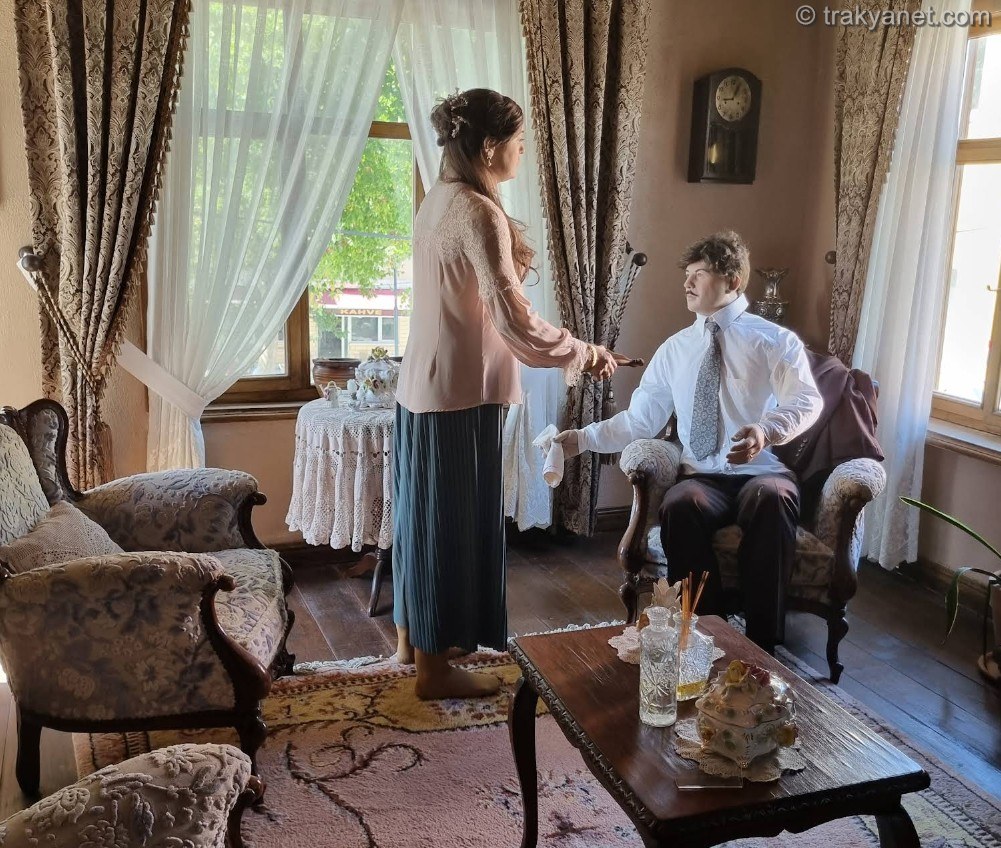
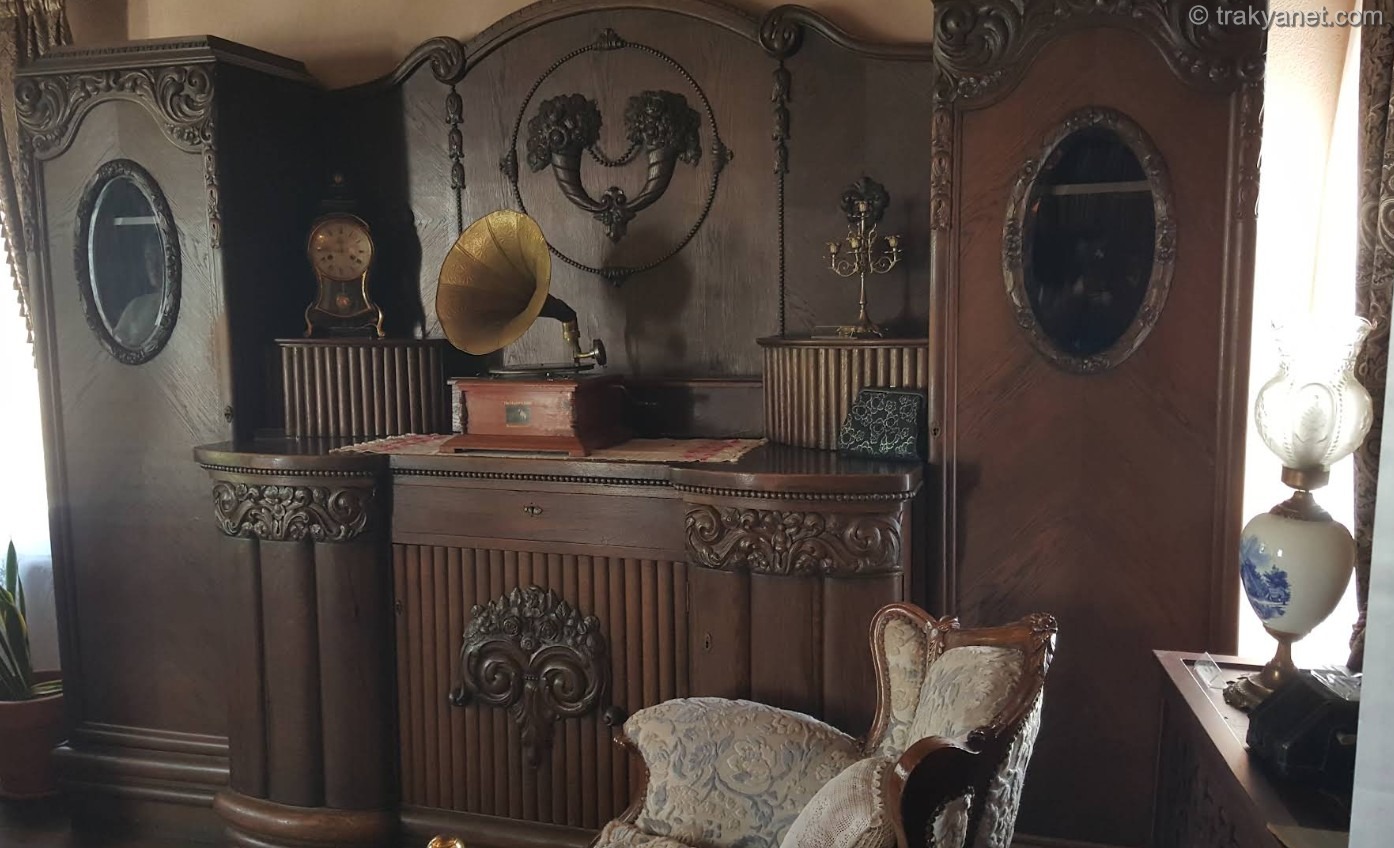
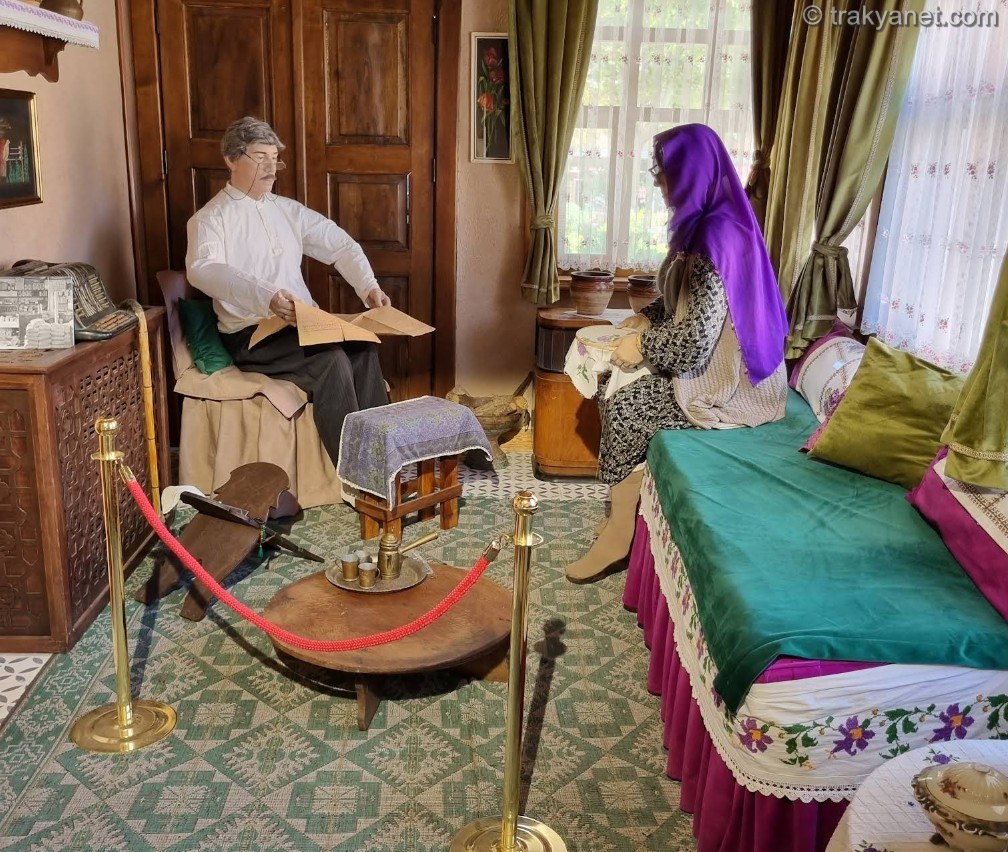
The rooms inside the building are designed as living spaces containing materials reflecting that period.
It was built in accordance with that period using wood and stone structures.
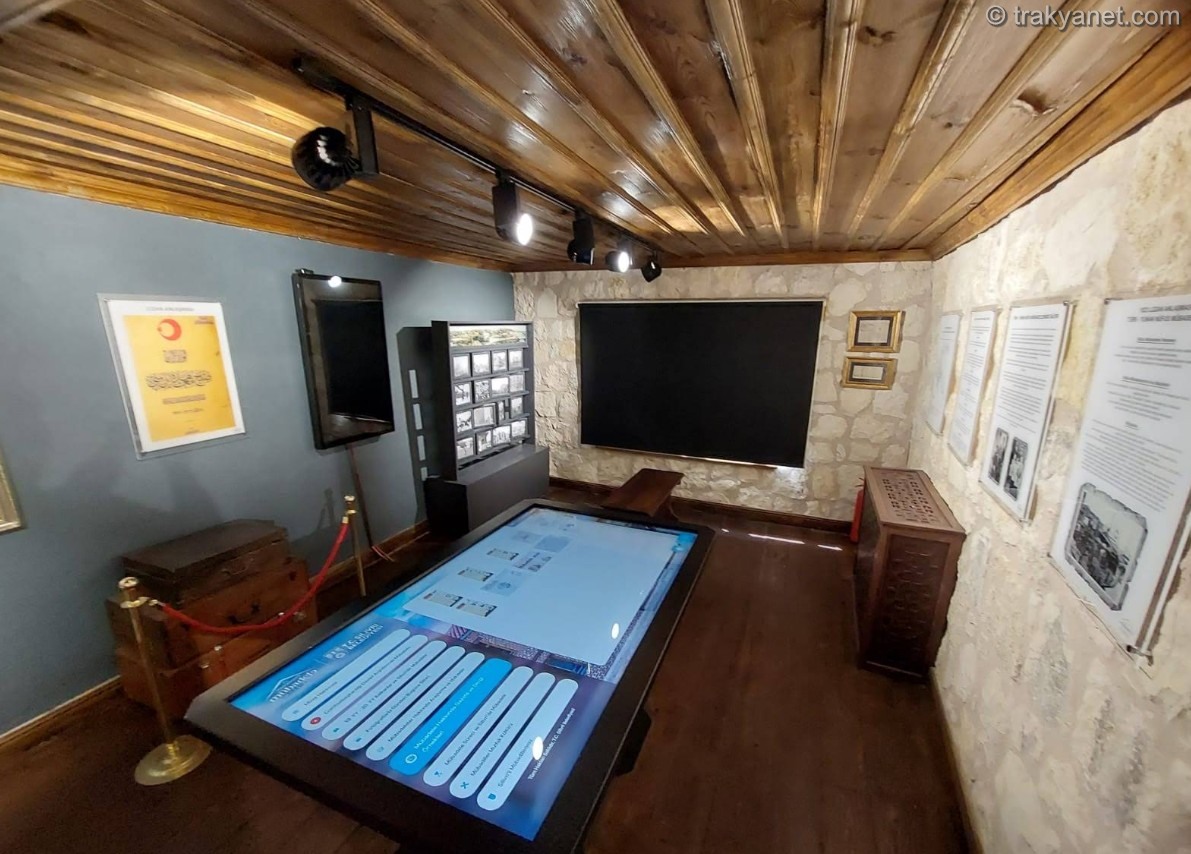
The stone part of the building houses the exhibition area and It is designed as a section containing photographs and information reflecting the history of the period.
The building was constructed using stone, brick, adobe, and wooden elements.
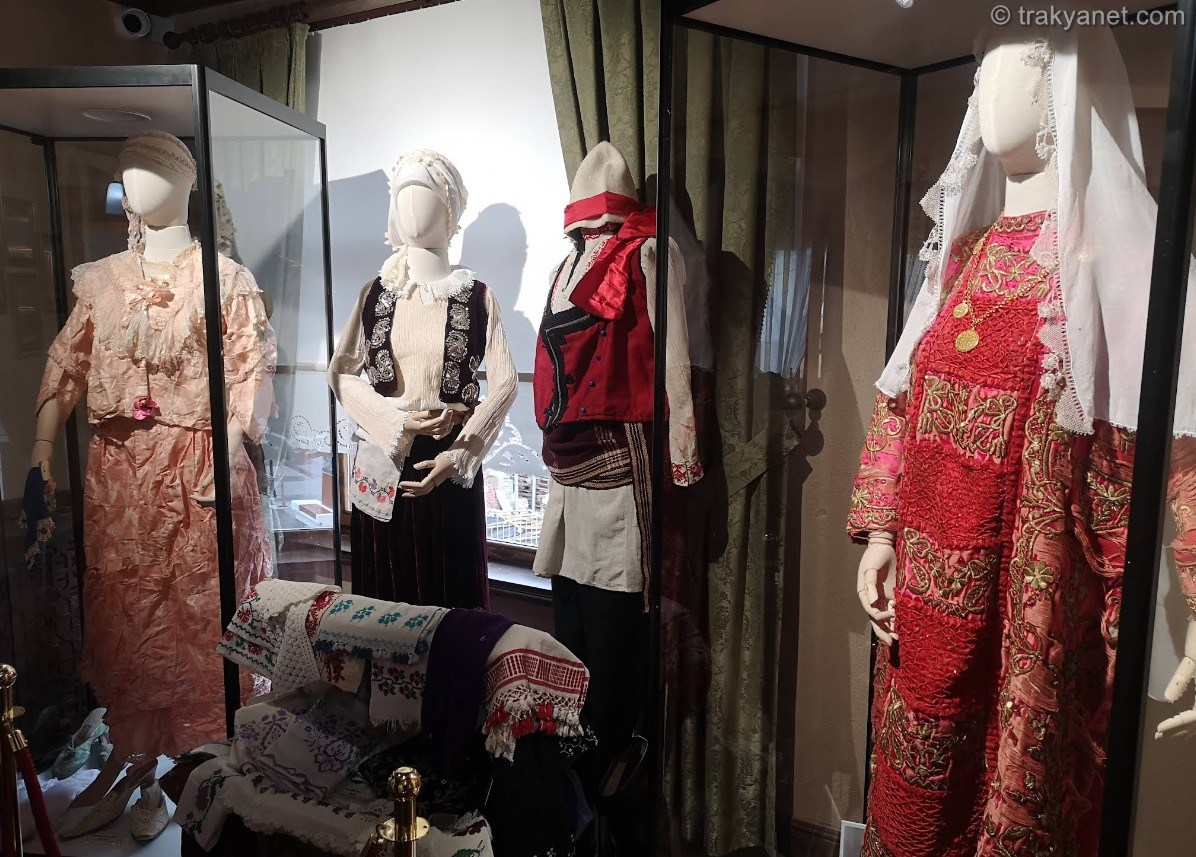
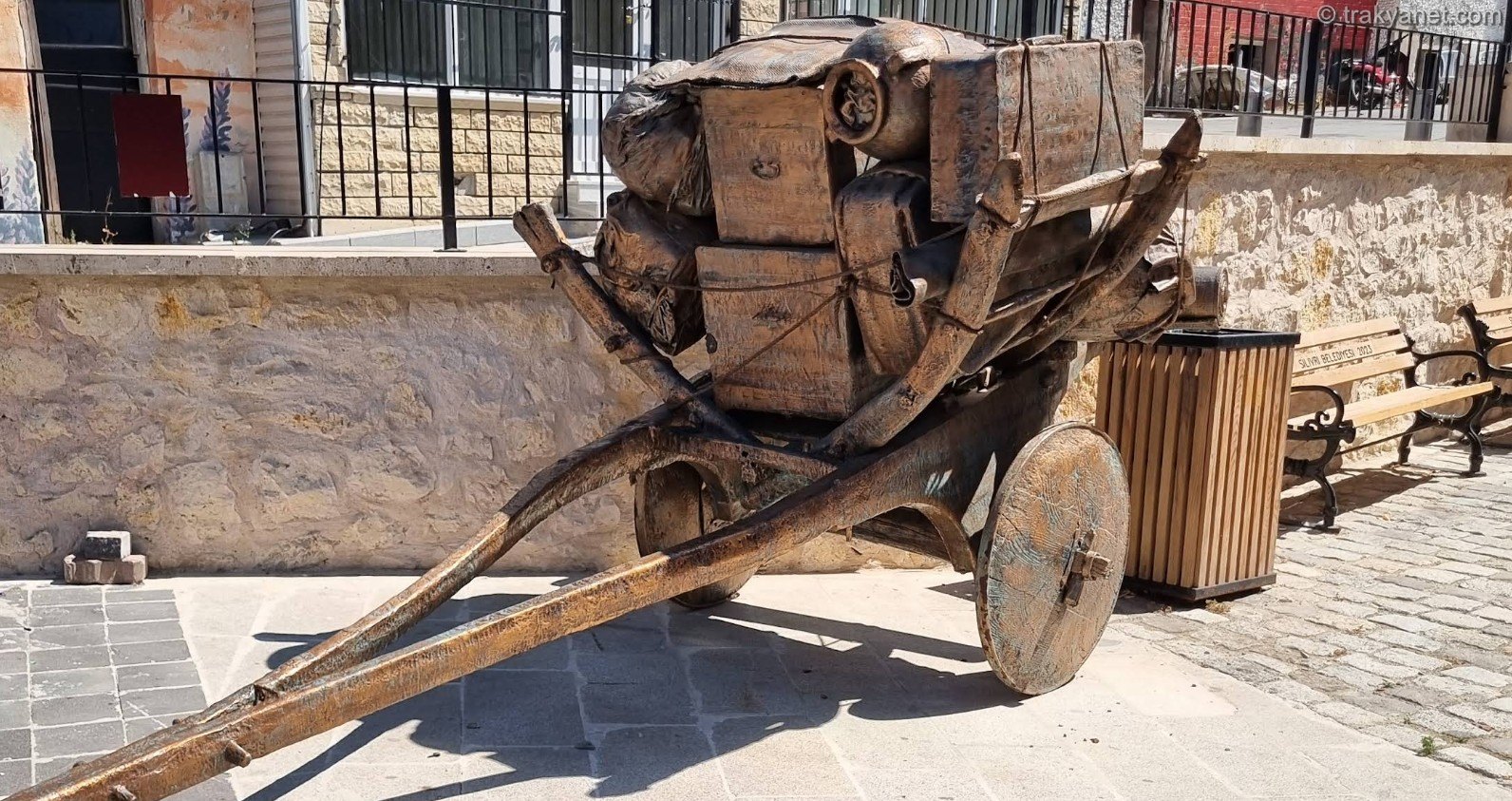
Most of the items displayed inside the building were created from belongings of the exchange families living there.
The square where the Exchange House is located has been transformed into an exchange square through renovations.
The Gulcemal Ship (1911-1950), which is located in the lower floor exhibition hall of the Exchange House and also contains original photographs, symbolizes the journey of hope and the reunion.
The interior design of this building, which has been recounted for generations, consists of three layers. The first layer, which is located on the ground floor, includes the living room, kitchen, bathroom area, and bedroom, which is a private area. (1923-1930)
The hall on the upper floor is furnished with a ceremony symbolizing the second generation, the modernization era, i.e., the years 1950-60. On the same floor, in the area called the private space, there is a bathhouse, a bedroom, and a children's room for the third-generation descendants (1970-80).
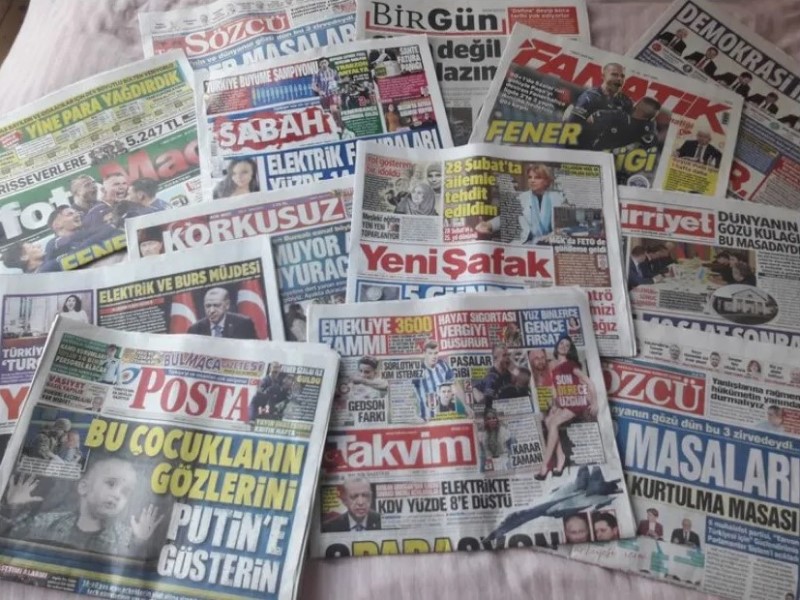
The exhibition hall on the upper floor has an Ephemera section consisting of old Ottoman information, documents, and newspapers. In the central part, there are personal belongings of the exchangees, both from their place of origin and their place of arrival. There are also suitcases containing their memories, sorrows, and hopes.
The hall has an information kiosk (ground computer) providing information about the population exchange and the exchangees. The living history panel features interviews with surviving exchangees, recounting their suffering and the hardships they endured on the road.
The entrance hall contains photographs of the first-generation exchangees living in this area. These photographs reflect the socio-cultural life of the neighborhood. The museum, in general, has been established in accordance with the traditions of the population exchange in terms of its furnishings.