

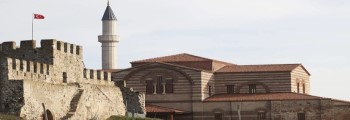

The museum building was constructed in 1894 as the Municipal Building. Visited by Ataturk on December 20, 1930, the building has served as the Kirklareli Museum since 1994.
The museum opened on January 14, 1994, to serve as a center for historical research in the region, as well as to collaborate with, assist, and guide scientific institutions.
The building is a historical structure built in 1894 by Neset Pasha, the Governor of Kirkkilise, and Haci Mestan Efendi, the Mayor. The mansion was used as a municipal building until 1962; it was vacated in the 1970s and left to decay. In 1972, the Governorship decided to demolish the building and sell the land. As a result of the objection and legal struggle of Nazif Karacam, who was the Head of the People's House at that time, the building was saved from demolition.
Restoration of the building began in 1983 and continued for ten years with interruptions. In 1989, the building was transferred to the Ministry of Culture and Tourism for 49 years. The museum was opened on January 14, 1994.
The museum's primary task is to register the natural and cultural assets of the region.
Museum Building
The museum is a two-story building with a basement. Its walls are masonry, and its floors are reinforced concrete. It has arched windows on all four sides. A bay window on the first floor in the middle of the building's facade is supported by four columns surrounding the main entrance. Its hidden roof is covered with tiles.
Exhibition Layout and Collection
The museum's collection includes various coins, seals and seal impressions, various archaeological artifacts, and many registered artifacts related to ethnography. The exhibits are displayed in three sections: "culture and nature," "ethnography," and "archaeology."
Natural History Museum Section
A large room on the first floor is dedicated to the natural history collection. Bird and mammal species unique to the region are displayed in their natural habitats. Some of the exhibited animals are extinct, while others are endangered. Those displayed here are from the collection of taxidermist Niyazi Savci, and were taxidermied by him personally. They were purchased by Zihni Ozanoglu and gifted to the museum directorate to commemorate his mother, Evset Ozanoglu.
Ethnography Section
The ethnography section shares the upper floor with the archaeology section. This section consists of objects depicting rural life in the 19th and early 20th centuries, as well as urban life in Kirklareli during the same period. Carpets, clothing, jewelry, and household items are on display. Some of the Hellenistic, Roman, Byzantine, and Ottoman period coins from the coin collection are also displayed on the second floor.
Archaeology Section
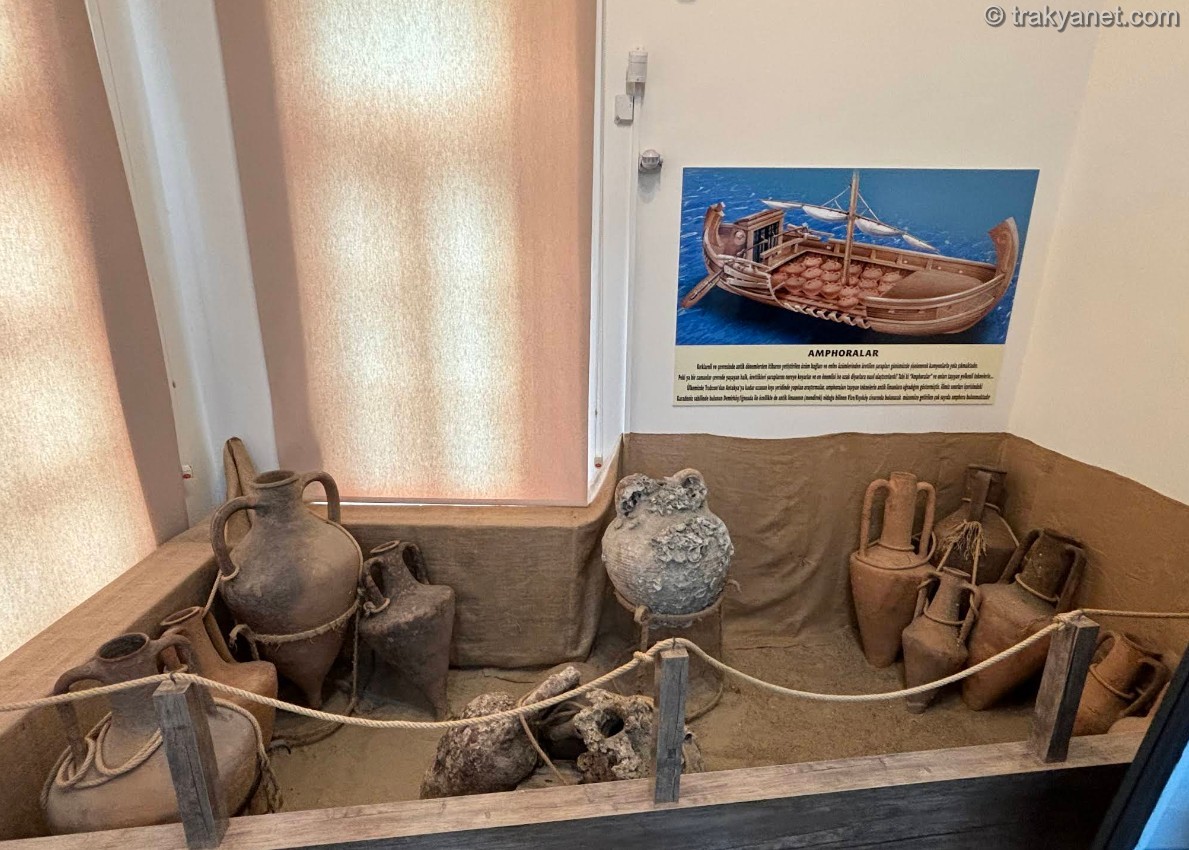
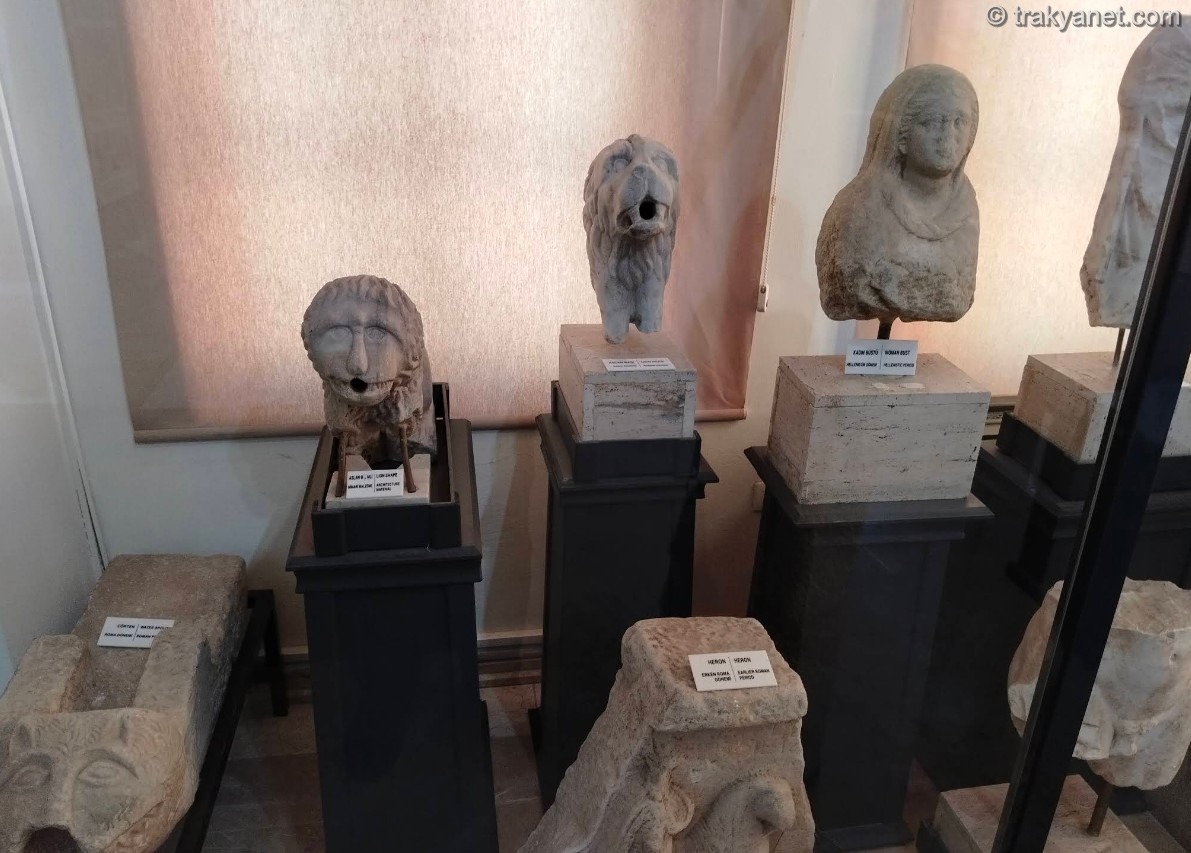
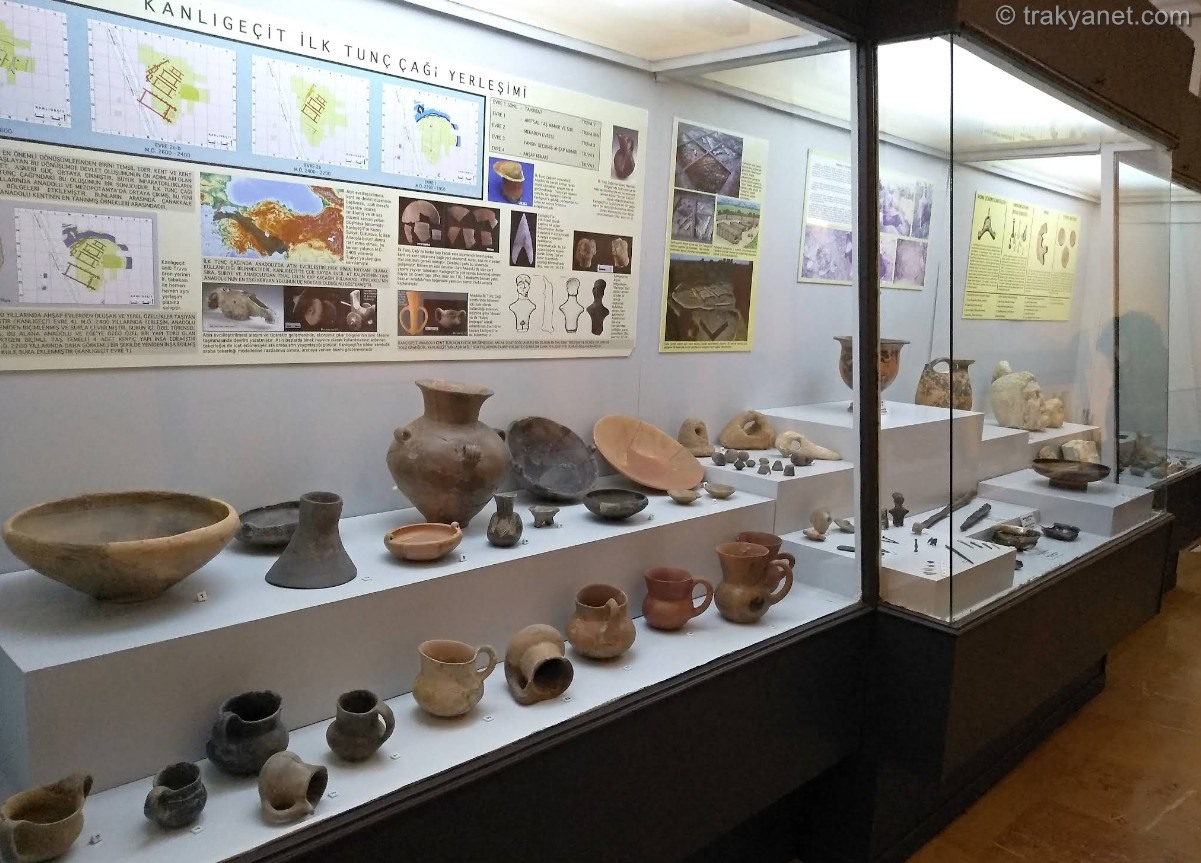
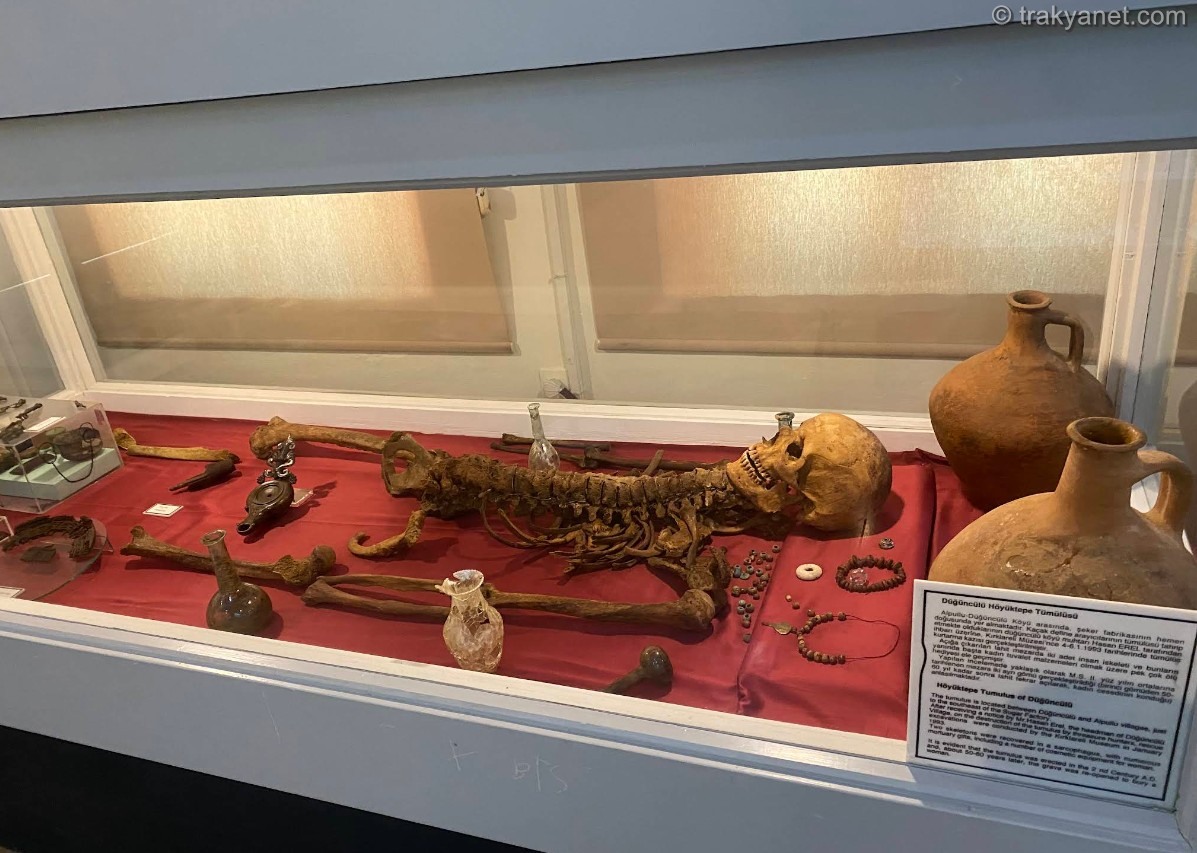
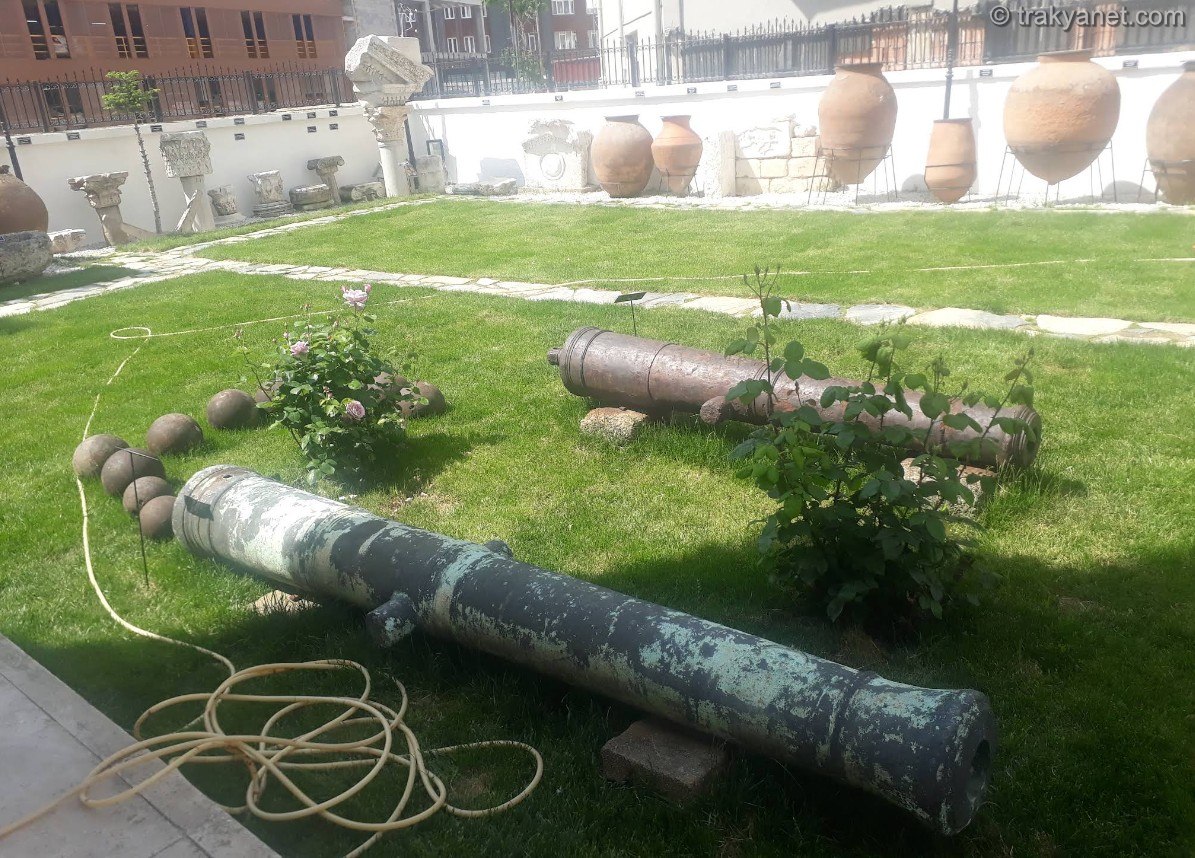
The archaeology section houses archaeological artifacts found in excavations around Kirklareli. Artifacts unearthed in the Babaeski Dugunculu, Vize Cakilli and Yundolan Tumulus, Vize Ancient Theatre, and Demirkoy Iron Foundry excavations, as well as artifacts from the Neolithic, Chalcolithic, and Iron Ages found in the Asagipinar, Kanligecit, and Tilkiburnu settlements, and artifacts from Ancient Greece, Ancient Rome, the Byzantine Empire, and the Ottoman Empire are exhibited. Due to new archaeological finds unearthed in ongoing excavations and the limited space in the museum, some archaeological items are exchanged from time to time.
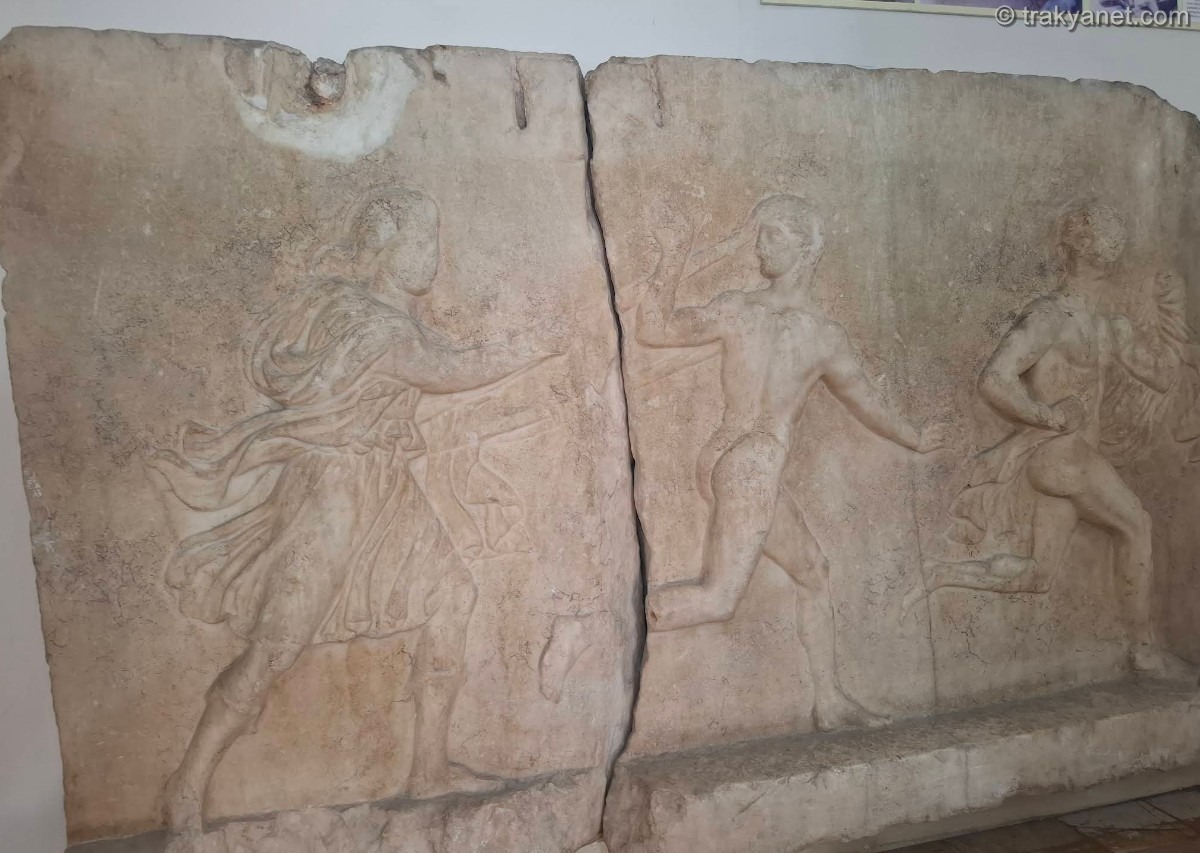
The relief depicting Dionysus, measuring 2 meters in length, is one of the museum's most valuable exhibits. The Neolithic mother goddess figurine, found during excavations at the Asagi Pinar mound in 2011 and exhibiting characteristics of both Anatolian and Balkan cultures, is among the artifacts that attract the attention of visitors. This figurine was used in the promotional logo of the European Union of Archaeologists Congress held in Istanbul in 2014.